Beta Testing
KNUST Research Atlas is currently in active Beta. Report bugs or suggest features to help us improve!
KNUST Research Atlas is currently in active Beta. Report bugs or suggest features to help us improve!
KNUST Research Atlas is currently in active Beta. Report bugs or suggest features to help us improve!
Search, discover, and connect with over 1,800 researchers, faculty members, and scholars across all departments of KNUST.
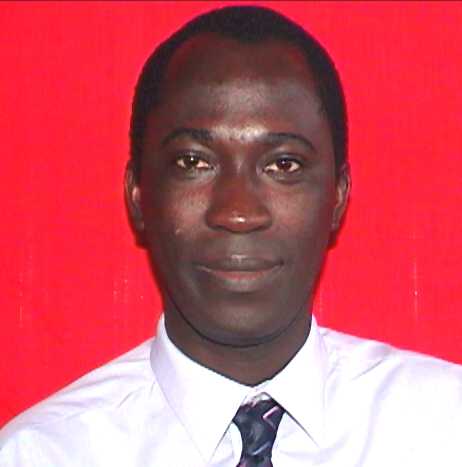
Department of Chemical Engineering
The researcher's work is centered around integrating innovative eco-friendly technologies across multiple scientific domains. Their primary themes include the application of adsorption and biosorption methods for effective pollution removal, the exploration of biogas production from agricultural residues for feasibility studies, and the development of sustainable waste management strategies. They also focus on advancing energy efficiency through the assessment of bioenergy systems based on agricultural residues and improving soil health by developing bioremediation techniques using recombinant organisms like Fusarium. The researcher's efforts extend to addressing heavy metal contamination in environmental studies and optimizing water quality, as well as recycling and managing municipal solid waste effectively. Their overarching goal is to create a comprehensive framework that combines innovative technologies across physics and life sciences to address challenges in energy, environment, and waste management, aiming for sustainable solutions globally.
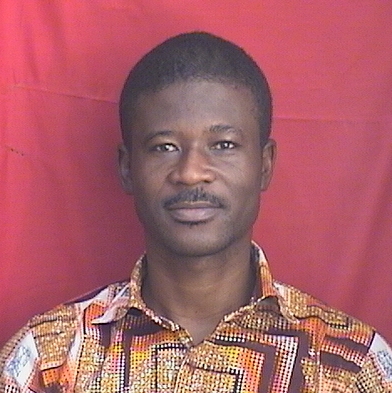
Department of Geography & Rural Development
The researcher's work focuses on integrating ecological processes across multiple disciplines, examining long-term carbon sequestration mechanisms and soil organic matter dynamics while also investigating the impact of environmental change on ecosystem health. Their methodology combines controlled experiments with statistical modeling to understand how plants, soils, and animals interact over time, particularly focusing on nutrient cycling and carbon storage in tree ecosystems and soil systems.
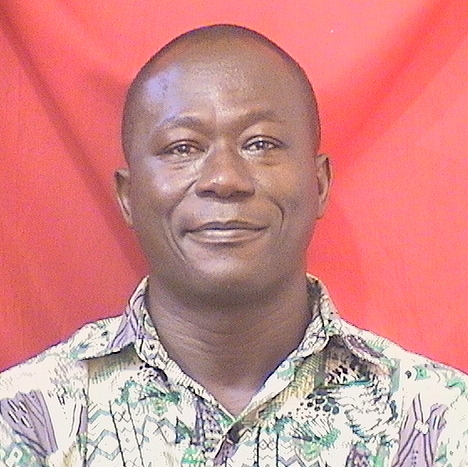
Department of Silviculture and Forest Management
The researcher's work is centered on developing a comprehensive and integrative approach to address the multifaceted challenges faced by communities in Western Ghana. This integrated research strategy spans several key domains, including sustainable agriculture, rural development, environmental impact assessments, occupational health, animal welfare, and community issues related to resource management and social justice. The researcher's efforts are dedicated to understanding and mitigating the interplay between social, economic, and environmental factors that influence livelihoods, ecological sustainability, and public health concerns.

Department of Marketing and Corporate Strategy
The researcher's work synthesizes dual themes of business sustainability and pandemic resilience. In "Environmental Sustainability in Business," they examine how green market orientation, innovation capability, knowledge acquisition, and brand positioning influence new product success. Simultaneously, their focus on "COVID-19 Pandemic Impacts" explores the role of government communication and behavioral change during the pandemic, emphasizing how media and public discourse shape responses to health crises.
Department of Pharmacy Practice
The researcher's work focuses on theoretical and computational approaches in physics, addressing questions related to quantum systems, material modeling, wave propagation, data-driven methods, and their applications in biophotonics and energy devices.

Department of Chemistry
The researcher's research focuses on integrating computational methods into drug discovery and development, particularly addressing public health issues such as infectious diseases, toxic environments, traditional medicine, and plant biochemistry. Their work encompasses a wide range of topics, including computational chemistry, mathematical modeling, molecular dynamics simulations, toxicity assessment, and the application of advanced analytical techniques across various biological systems. The researcher's contributions span themes like heavy metals, traditional Ghanaian medicines, malaria research, traditional use of Annonaceae plants, merozotetunia, traditional herbal extracts, toxic metal residues, plant biochemistry, enzymatic studies, marine sponges, organometallic compounds, phytochemistry, ginger and zingiberaceae research, Leishmania control, mathematical modeling for toxicity, mine management, water quality assessment, child nutrition, biofuel production, plant biochemistry, algal biology, chemical synthesis, genetic and molecular insights into infectious diseases, distributed computing systems, mycobacterium research, and genomics. Their research integrates computational approaches with biological and chemical methods to develop innovative solutions for public health challenges.
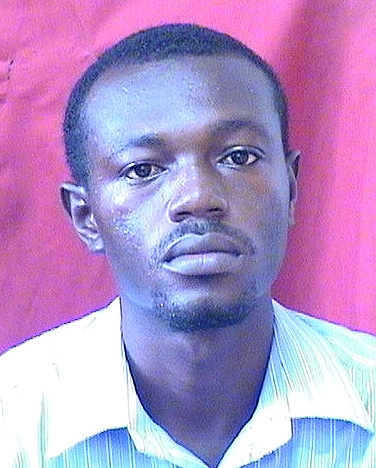
Department of Theoretical and Applied Biology
The researcher investigates molecular and evolutionary processes across a wide range of organisms, examining themes such as immune diversity, cancer evolution, immunological progression, viral evolution, and aging from an evolutionary perspective.
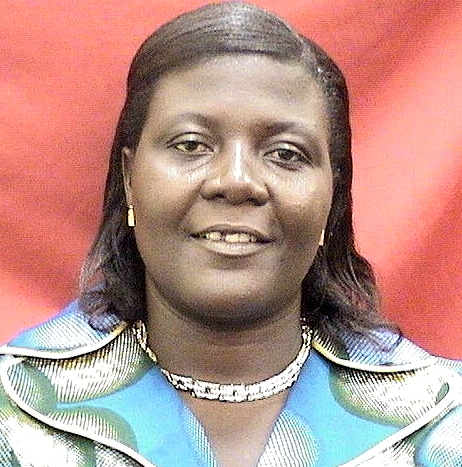
Department of Geography & Rural Development
My research centers on HIV dynamics and its broader implications in various health contexts, integrating studies on treatment, contact networks, and related HIV-related issues to provide a comprehensive understanding of the disease's progression and prevention strategies.
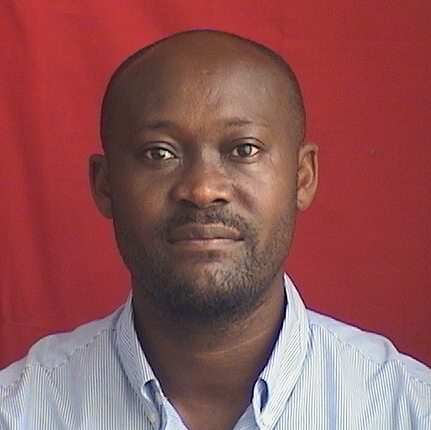
Department of Environmental Science
The researcher's work focuses on comprehensive environmental impact assessments across various scales, including heavy metals contamination, wastewater treatment technologies, air quality monitoring, and their health implications, reflecting a broad exploration of environmental sciences.

Department of Mathematics
This researcher's work integrates topological and matrix-based methods into data analysis within physical sciences, focusing on novel approaches to address complex systems through interdisciplinary studies. Their integration of these methodologies enhances understanding across diverse domains, with specific contributions from each area influencing broader applications in areas such as machine learning and complex system modeling.

Department of Mechanical Engineering
The researcher's work focuses on advancing sustainable solutions across multiple domains within life sciences and physical sciences. Their research encompasses innovations in renewable energy systems, particularly solar photovoltaics and hydrogen production, as well as global trade strategies. They also emphasize the role of quality management and circular economy principles in food safety and urban development challenges. The findings are contextualized in Ghana, highlighting how these technologies can enhance agricultural practices, waste management, and food safety.
Department of Industrial Art
This research focuses on the application of adsorption and biosorption techniques for effective removal of pollutants, particularly utilizing activated carbon materials with a focus on how metal composition influences their surface properties to enhance dyes' absorption efficiency.