Beta Testing
KNUST Research Atlas is currently in active Beta. Report bugs or suggest features to help us improve!
KNUST Research Atlas is currently in active Beta. Report bugs or suggest features to help us improve!
KNUST Research Atlas is currently in active Beta. Report bugs or suggest features to help us improve!
Search, discover, and connect with over 1,800 researchers, faculty members, and scholars across all departments of KNUST.
Department of Physics
The researcher's work focuses on comprehensive studies across hydrological processes, atmospheric phenomena, water resources management, geophysical methods, and environmental contamination in agricultural contexts. Their research encompasses the variability of rainfall patterns, their impact on catchment systems, the influence of heavy metals on soil health, the role of solar radiation in groundwater replenishment, potential gold deposits identified through geophysical techniques, and the effects of climate change on soil quality. Advanced technologies such as satellite remote sensing, geophysical surveys, and electromagnetic methods are employed to analyze hydrological processes, contamination, and water resources. The research also explores applications of these methods in optimizing agricultural practices and mitigating environmental risks.

Department of English
The researcher's work integrates the study of language, discourse, and communication strategies across various social contexts, with a particular focus on media influence, political intrigue, business strategies, and conflict resolution. By examining how politeness in media communication, the influence of media through headlines, the impact of middle east and rwanda conflicts on language use, and the effectiveness of business strategies across diverse settings, this research underscores the universal role of language as a critical lens for understanding communication dynamics across multiple domains.
Department of Medical Diagnostics
The researcher focuses on integrating diverse methodologies across fields such as climate change impact, genetic algorithms, optimization techniques, and cancer treatment. By combining mathematical modeling with data analysis and computational experiments, they address complex problems in these areas.
Department of Physiology
The researcher has conducted extensive work focusing on energy expenditure, metabolic health, reproductive biology, genetics, and environmental effects on health outcomes across diverse populations. Key findings include increased daily energy expenditure linked to obesity development in later life, with diet and activity levels significantly influencing metabolic profiles during early adulthood. Sleep length was found to affect sperm production rates, while genetic elements such as the tumor suppressor protein p53 are implicated in disease progression associated with various health conditions. Environmental factors have also been shown to impact metabolic risks across multiple populations, highlighting their critical role in public health interventions and research.
Department of Pharmacology
The researcher focuses on the synthesis and bioactivity of alkaloid cryptolepium, examining its role in human health, pharmacological applications, and interactions with antibiotics, as well as considerations for ethical plant-based medicine.
Department of Child Health
The researcher's work focuses on understanding the impact of gestational diabetes in Ghana, specifically analyzing its effects on adolescents, young adults, and elderly populations through studies like "Pregnancy Outcomes Among Adolescents and Young Adults with Diabetes in Kumasi, Ghana." Their research also examines mortality associated with diabetes in children and young adults. This broader approach contributes to a general study of diabetes management across diverse demographics, encompassing both acute and chronic issues.
Department of Medicine
The researcher focused on integrating studies across health disparities, cardiovascular issues, diabetes, hypertension, Atrial Fibrillation management, and other health-related topics, synthesizing findings from various themes to provide a comprehensive overview of global healthcare challenges.
Department of Child Health
The researcher's work focuses on global maternal and child health issues in low- and middle-income countries, particularly examining factors contributing to hospital mortality among children there. They also investigate respiratory support mechanisms, such as those for critically ill children presenting in resources-limited settings due to COVID-19. Additionally, they examine breastfeeding practices, addressing challenges faced by mothers in Kumasi, Ghana.

Department of Agroforestry
The researcher has conducted extensive research across diverse fields including Agronomic Practices and Intercropping Systems, Insect Pest Control Strategies, Energy and Environment Impacts, Agricultural Practices and Plant Genetics, and Livestock Management. They have focused on integrating biological and environmental factors in agricultural systems, employing innovative pest control methods, exploring renewable energy sources, studying plant biology, and enhancing food security through improved soil health and pest management.

Department of Medical Diagnostics
The researcher's work focuses on developing innovative analytical and clinical techniques to detect, diagnose, and manage various pathologies, with a particular emphasis on Sub-Saharan African communities where these methods show potential. Their research integrates advanced biological assays like microfluidic rapid and autonomous analytical devices (microRAADs) for HIV detection and LAMP-based tests for Treponema pallidum infections in yaws endemic regions. Additionally, they explore preventive strategies through self-sampling surveys and focus on improving diagnostics in various chronic diseases using case-control studies and observational studies.
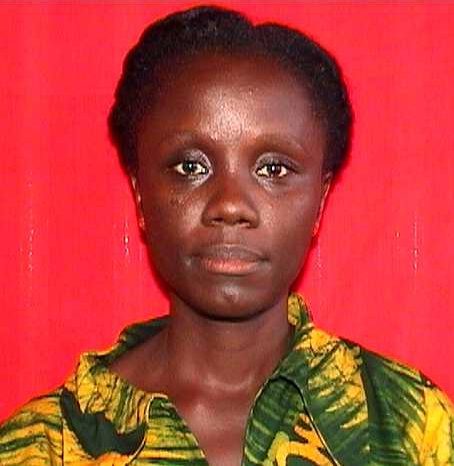
Department of Horticulture
The researcher's work centers on advancing sustainable agricultural practices by integrating natural and bioregister-based techniques across various domains. This includes enhancing soil health through composting, Biochar usage, and root systems like Thuja occidentalis, improving soil fertility and reducing environmental impact, conserving resources while increasing crop yields, promoting socio-economic development, and mitigating urban heat islands with innovative solutions. The focus is on developing integrated farming methods in Africa to address challenges in soil health, resource management, biodiversity conservation, and sustainable agriculture.
Department of Silviculture and Forest Management
The researcher investigates the ecological and social dimensions of forest conservation and land management in Ghana, examining themes such as deforestation, climate resilience, land rights, and sustainable agricultural practices. Through case studies, they integrate methodologies like REDD+, valuation systems, and life sciences approaches to address challenges related to ecosystem services, climate change adaptation, and social equity. The work highlights the importance of integrating environmental valuation frameworks with land-use decisions to enhance sustainability in this region.