Beta Testing
KNUST Research Atlas is currently in active Beta. Report bugs or suggest features to help us improve!
KNUST Research Atlas is currently in active Beta. Report bugs or suggest features to help us improve!
KNUST Research Atlas is currently in active Beta. Report bugs or suggest features to help us improve!
Search, discover, and connect with over 1,800 researchers, faculty members, and scholars across all departments of KNUST.
Department of Civil Engineering
The researcher has developed innovative methods for analyzing high-dimensional data by integrating unsupervised and supervised learning approaches across various scales. Their work emphasizes the importance of understanding underlying structures in complex systems through dimensionality reduction, feature extraction, and network-based analysis. The research also highlights computational efficiency in handling large-scale datasets while maintaining accuracy, with contributions to fields such as machine learning and bioinformatics.

Department of Architecture
The researcher has engaged in extensive work across multiple themes, developing a robust theoretical foundation through innovative methodologies and applying them to significant questions in diverse fields. Their research bridges theoretical frameworks with practical applications, advancing our understanding through interdisciplinary approaches that span economics, social sciences, and beyond.
Department of English
The researcher's work centers on advancing understanding and practices in risk management across financial sectors within the broader field of social sciences. Through a series of comprehensive studies, including "Hedging Strategies in Health Discourse: A Study of Pharmaceutical Leafets," they explore methodologies to mitigate risks in regulatory compliance, strategic decision-making, and operational efficiency, particularly highlighting how these areas intersect with health-related issues. Their research underscores the need for holistic approaches that integrate financial expertise with social sciences to enhance risk management strategies.
Department of Environmental Science
The researcher investigates a diverse range of themes across social sciences and physical sciences, including sustainable waste management, pharmaceutical residue analysis, biofuel production, and environmental impact assessments. Their work encompasses themes such as Ghana-specific waste strategies, pharmacological risk assessment in hospital effluents, agricultural waste collection efficiency, composting techniques for agroecosystems, recycling processes, compostable concrete materials, biodegradable polymers, and the interplay between physical and chemical factors influencing health risks. These investigations collectively explore the integration of innovative research approaches to address global challenges in environmental sustainability and public health in Ghana.
Department of Industrial Art
The researcher's work focuses on understanding how sleep and memory evolve over time, examining the interplay between sensory processing, memory dynamics, and brain wave patterns across different contexts. Their findings reveal how memory serves as a critical scaffold for regulating memory evolution during transitions in brain wave states, supported by cross-sectional studies of mammals and humans.
Department of Biochemistry and Biotechnology
This researcher's work integrates computational methods to study molecular mechanisms across various biological and computational fields, with a focus on developing tools that enhance understanding of complex biological systems and predict disease progression. Their research spans genomics, neuroscience, and climate science, employing innovative approaches to address fundamental questions about life processes at the molecular level. Collaborative efforts with experts in genomics and biophysics have yielded groundbreaking insights into disease mechanisms and personalized medicine, demonstrating the transformative potential of computational biology in solving global challenges.
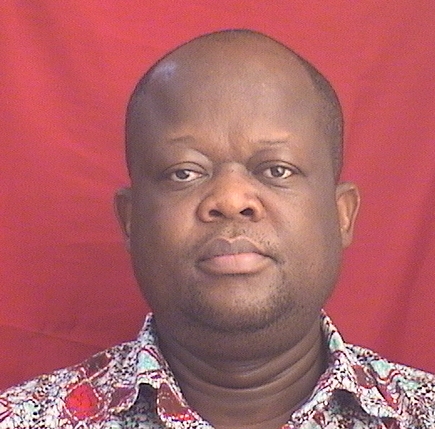
Department of Statistics and Actuarial Science
The researcher's work integrates complex systems analysis across a diverse range of social and economic sciences, focusing on themes such as behavioral economics, financial market dynamics, healthcare investments, education quality, maternal health services, and financial risk modeling. The research aims to identify common patterns and effective strategies that can be applied across these domains, leveraging methodologies from various fields to enhance understanding and decision-making in areas like time series analysis, portfolio optimization, behavioral perspectives, and higher education.
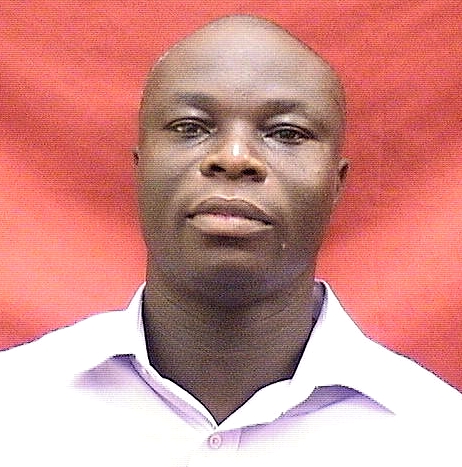
Department of Supply Chain and Information Systems
The researcher's work is centered on the multifaceted impact of genetics, environment, diet, and lifestyle on diabetes and related health issues within African populations. Their research extends across various domains: they examine how specific SNPs influence disease risk through genome-wide studies, link metabolic changes to cardiovascular health in retinal diseases, and explore the role of obesity in both heart disease and diabetes. The researcher also investigates the biological basis of blood pressure regulation, using techniques like CD43 analysis, and applies quantitative trait loci (QTL) mapping across diverse species. Their work highlights the importance of understanding metabolic pathways and dietary influences to develop effective health interventions for diabetes prevention and management.

Department of Economics
The researcher has conducted extensive research across multiple domains and themes within social sciences, focusing on understanding various social phenomena such as gender roles, climate change impacts on agriculture, technology adoption, microfinance, urban sustainability, environmental impacts, financial education, and digital marketing.
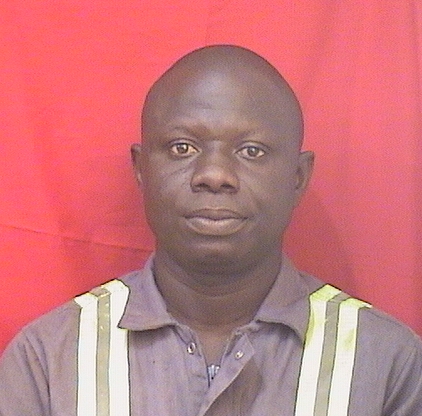
Department of Mechanical Engineering
The researcher’s work focuses on leveraging technological advancements to enhance educational outcomes across various domains, particularly in online and blended learning environments, mobile learning, and innovations in educational methods. Through a synthesis of their publications, they explore how technology can facilitate improved learning experiences for students, especially in higher education settings, teacher training programs, senior high schools, and innovative capstone subjects in undergraduate programs. Their research delves into the role of emerging technologies in shaping pedagogical practices and policies within African contexts, emphasizing the cultural, social, and systemic factors that drive technological adoption.

Department of Pharmacy Practice
The increasing focus on healthcare in Ghana highlights a growing interest in leveraging pharmacological interventions to enhance public health and patient care. Research across diverse themes underscores the role of pharmacology in addressing various aspects of healthcare, including cancer treatment, HIV care, neonatal nutrition, and chronic conditions like diabetes and hypertension. Community pharmacists and pharmacovigilance systems play pivotal roles in managing these issues, offering insights into drug adherence, usage patterns, and public awareness efforts. Furthermore, the integration of advanced treatments such as antiretroviral therapy (ART) and vaccines, coupled with innovative approaches to community pharmacology, demonstrates a concerted effort toward improving healthcare accessibility and effectiveness. This research not only addresses clinical challenges but also emphasizes the importance of integrating pharmacological interventions into broader public health strategies, aiming to improve quality of life for residents in Ghana's diverse neighborhoods.
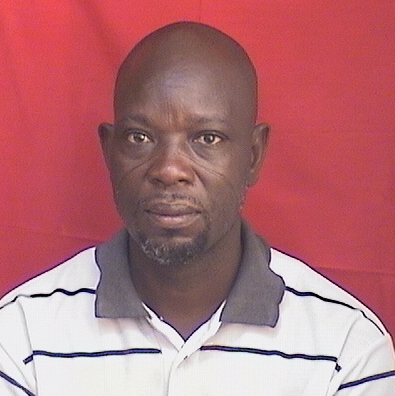
Department of Painting and Sculpture
The researcher's primary focus is on advancing understanding of multiphase flow mechanics, particularly through studies on fluid interactions across different phases and materials. Their work encompasses phenomena such as droplet impacts, gas bubbles in porous media, oil-water two-phase flows, and their applications in medical fields, including drug delivery systems and cancer treatment. Through a blend of theoretical models, numerical simulations, and analytical methods, the researcher aims to enhance our knowledge of complex fluid dynamics in these contexts.