Beta Testing
KNUST Research Atlas is currently in active Beta. Report bugs or suggest features to help us improve!
KNUST Research Atlas is currently in active Beta. Report bugs or suggest features to help us improve!
KNUST Research Atlas is currently in active Beta. Report bugs or suggest features to help us improve!
Search, discover, and connect with over 1,800 researchers, faculty members, and scholars across all departments of KNUST.
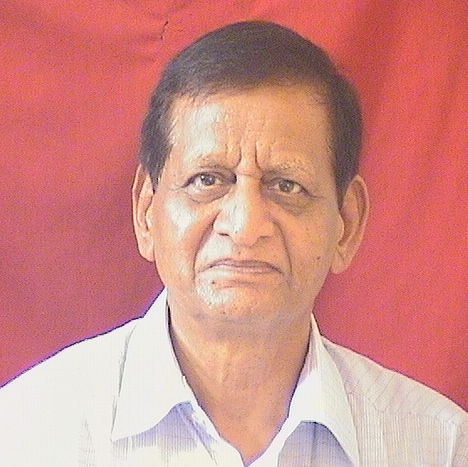
Department of Physics
The researcher's work focuses on advancing novel materials and technologies for energy storage and detection systems, spanning across diverse fields including solar energy, biodegradable applications, and sensor technology. Their research integrates innovative approaches to improve the efficiency and versatility of energy storage devices and detection mechanisms across physical sciences, health sciences, and biotechnology.
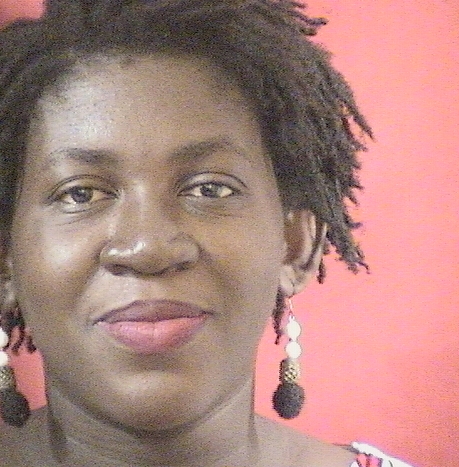
Department of Physiology
The researcher's work centers on designing and implementing global health interventions, particularly in the areas of hypertension control and maternal and child health. Their research focuses on developing and assessing policies and strategies that enhance healthcare delivery, with a strong emphasis on cross-cultural collaboration and large-scale program evaluation. Through studies examining task-strengthening strategy implementation, community-based approaches to health care, and the capacity to address global health challenges, the researcher contributes to advancing effective healthcare systems both domestically and internationally. Their efforts highlight the importance of systematic policy design, evaluation, and cooperation between academic institutions, governments, and NGOs in improving health outcomes across diverse populations.
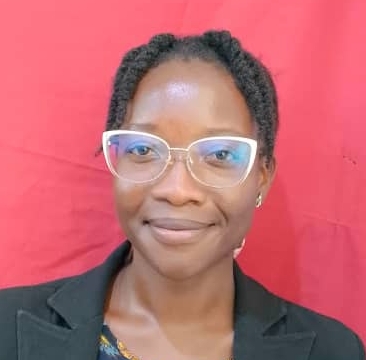
Department of Public Law
The researcher's work examines how mathematical models contribute to understanding real-world phenomena, particularly disease spread dynamics. From their publications spanning 2015 to 2022, they focus on the effectiveness of these models in validating predictions, addressing limitations such as accuracy, exploring computational challenges, and assessing their practical applications in public health policy.
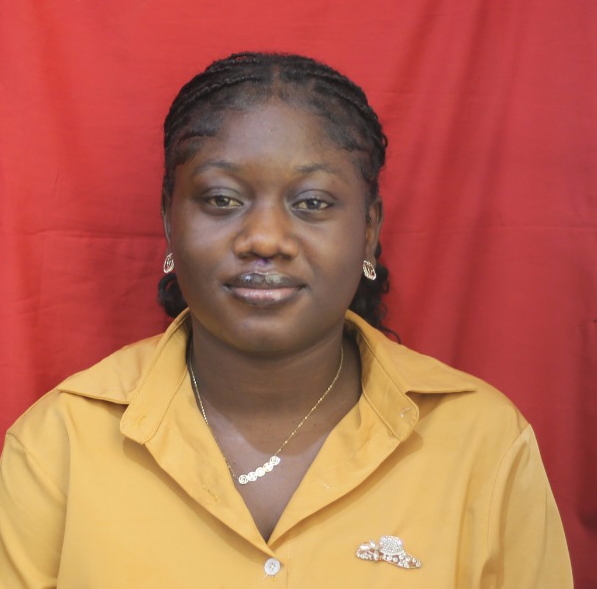
Department of Biochemistry and Biotechnology
The researcher focuses on integrating mathematical models across diverse disciplines to address complex systems and decision-making challenges under uncertainty, applying these frameworks to climate change mitigation and healthcare optimization.
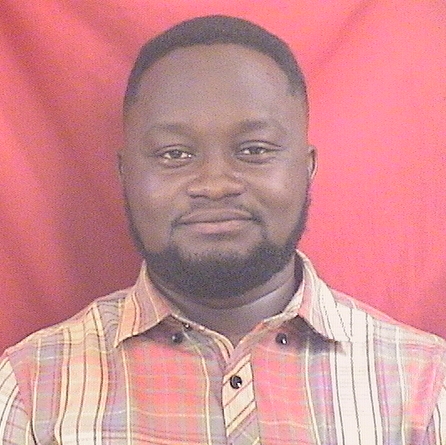
Department of Telecommunications Engineering
This researcher has contributed significantly to advancements in electromagnetic compatibility, advanced wireless communication technologies, antenna design, and MIMO network optimization. Through innovative studies in cooperative relay NOMA systems, IRS-assisted communication, electromagnetism radiation exposure evaluation, and MIMO system optimization, the researcher has focused on enhancing performance across diverse domains within physical sciences. Their work underscores a cohesive approach to improving wireless systems through comprehensive investigations of electromagnetic compatibility, advanced coding schemes, efficient network design, and robust optimization techniques.
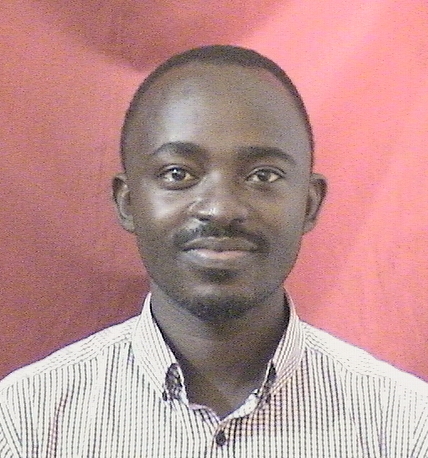
Department of Physiology
The researcher's work integrates clinical trials and global implementation studies, focusing on hypertension control strategies in Ghana and low- and middle-income countries. They employ methods such as cluster randomized trials for evidence-based interventions and online courses to enhance public health education. The findings highlight the importance of strategy development and the role of technology in modern healthcare, while also exploring factors like physical activity and sleep health, reflecting a comprehensive approach to addressing public health challenges in this region.
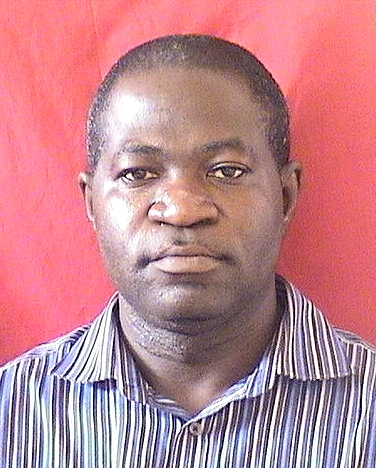
Department of Theoretical and Applied Biology
The researcher has been conducting extensive work in the field of parasitic diseases, with a strong focus on malarial infections and COVID-19. Recent advancements in diagnostics include the use of highly sensitive digital PCR for rapid diagnosis of Plasmodium falciparum infections, as well as improvements in testing capacity for COVID-19 cases. The researcher has also explored novel approaches to understand the role of viral shedding in transmission dynamics and tested viral parameters such as hematological markers in both malarial and COVID-19 settings. Their work highlights the importance of rapid testing tools and digital technology in addressing these critical public health challenges, while also emphasizing the ethical and societal implications of rapid response strategies.

Department of Medical Diagnostics
The researcher investigates how various cognitive processes, including memory formation, decision-making, and age-related changes, are influenced by factors such as sleep, neuroplasticity, and brain connectivity. Their work delves into the interplay of these influences in both normal and pathological contexts, aiming to understand how they shape brain structure and function across diverse biological systems.
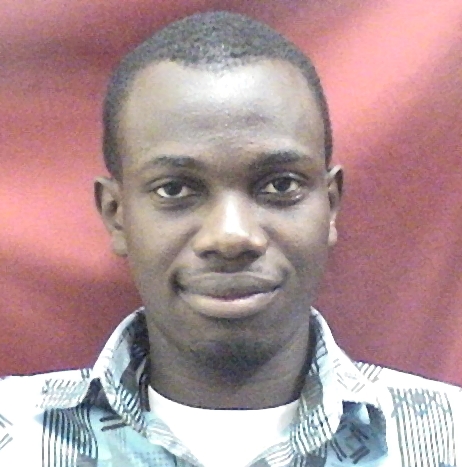
Department of Chemistry
The researcher has conducted extensive research on edible oils with a focus on their quality and analysis, as well as exploring the broader implications of these studies across various fields including microplastics, food chemistry, botany, and health sciences. Their work highlights the potential applications of edible oils in both traditional and innovative contexts, from evaluating their suitability for deep-frying to advancing understanding in circular economy principles (Green, 2021). Additionally, the researcher has contributed significantly to the development of alternative fuels through plastic waste recycling initiatives in Ghana (Majou, 2020), while also investigating crop yields from Ghanaian cashews for industrial applications (Bircoah, 2019).
Department of Computer Engineering
The researcher focuses on developing sustainable solutions that address environmental challenges through innovative strategies in resource development, environmental impact assessment, and integrated technological frameworks. Their work emphasizes integrating renewable technologies with economic incentives, smart decision-making systems, and climate mitigation approaches while fostering collaboration between academia, industry, and governments to achieve global sustainability goals.
Department of Medical Diagnostics
The researcher's work integrates robust statistical modeling techniques with applied environmental and social sciences, focusing on advancing methodologies for analyzing complex datasets while grounding these approaches in real-world problems. Their research bridges the gap between advanced computational statistics and practical environmental challenges, contributing to both theoretical understanding and actionable insights.
Department of Accounting and Finance
The researcher focuses on several key areas of social sciences, including financial reporting and auditing frameworks for improved governance and valuation accuracy. She investigates methodologies that enhance accountability, transparency, and regulatory compliance across diverse domains such as banking, energy, healthcare, and public policy, with the goal of fostering systemic change in areas like governance, valuation, auditing practices, and financial reporting.