Beta Testing
KNUST Research Atlas is currently in active Beta. Report bugs or suggest features to help us improve!
KNUST Research Atlas is currently in active Beta. Report bugs or suggest features to help us improve!
KNUST Research Atlas is currently in active Beta. Report bugs or suggest features to help us improve!
Search, discover, and connect with over 1,800 researchers, faculty members, and scholars across all departments of KNUST.
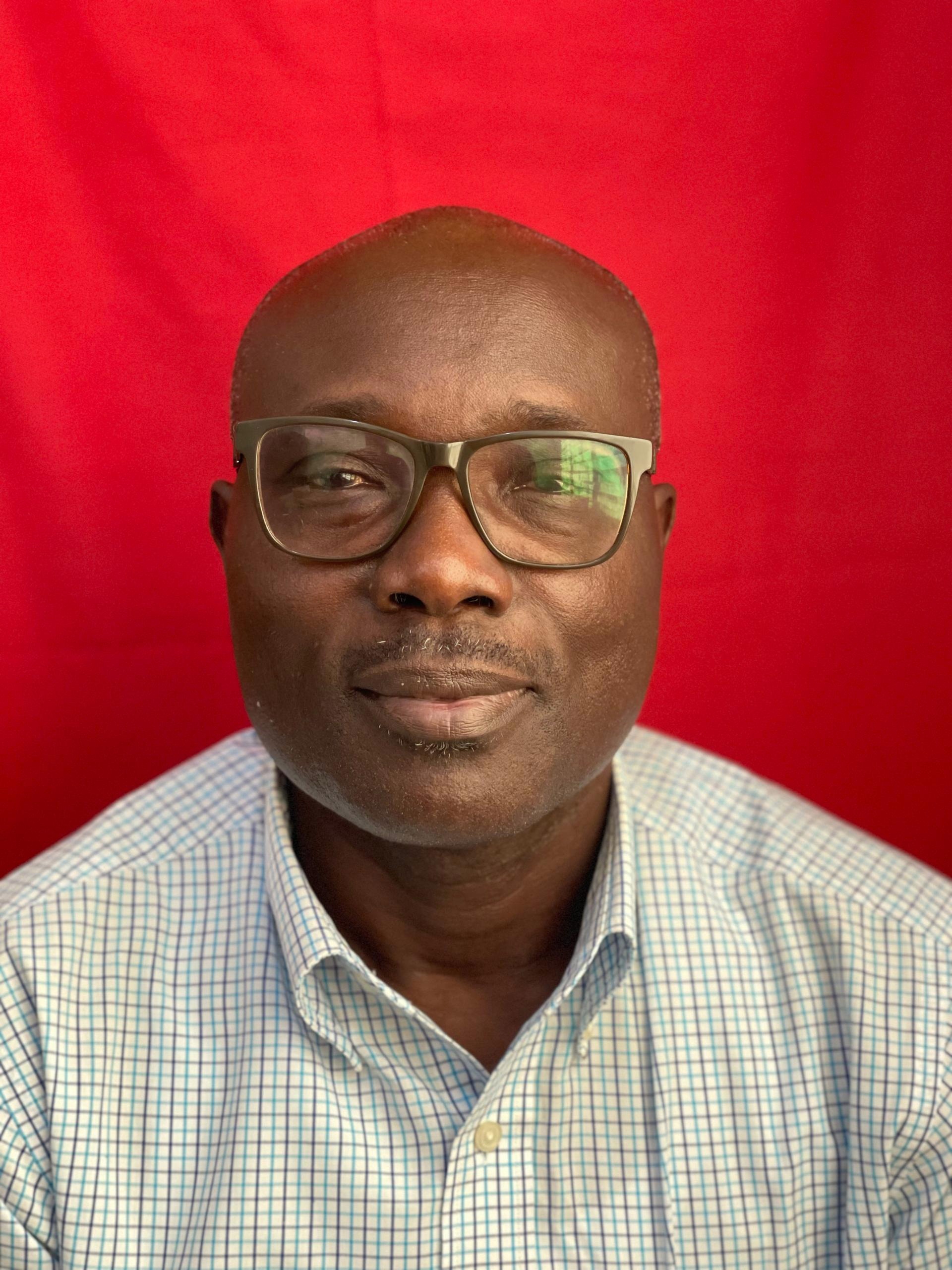
Department of Geomatic Engineering
The researcher applies geospatial technologies to address complex challenges across multiple scientific domains, including land rights, mineral processing techniques, ecosystem services from land use changes, infrastructure maintenance, sustainable urban development, water quality modeling, social impact assessments, participatory GIS in land adjudication processes, and collaborations in global sustainability initiatives.

Department of Petroleum Engineering
The researcher's work encompasses diverse fields including enhanced oil recovery techniques using nanofluids, hydrocarbon exploration strategies, metal and thin film mechanics, and seismology. Their studies highlight the interconnected nature of these areas, with applications across physical sciences and engineering challenges.
Department of Communication Design
The researcher has conducted extensive work in digital marketing and social media, focusing on how these strategies influence consumer behavior and brand equity. Their study on digital marketing targeting small-medium-scale enterprises in Kumasi, Ghana, highlights the role of social media advertising in enhancing brand perception and customer satisfaction. Additionally, their research extends to service quality and customer loyalty, examining its impact on student satisfaction at a public tertiary institution and communication design within Ghanaian universities. Furthermore, the researcher explores business strategies and management research, particularly Total Quality Management's effect on organizational performance through a case study of a printing press in Ashanti Region, Ghana. All these works integrate digital tools with traditional marketing methods to drive engagement and long-term success in various social sciences domains.
Department of Economics
The researcher has conducted extensive work across diverse domains, focusing on addressing significant issues in energy, environment, economic growth, and social sciences. Their research spans energy transition challenges, mobile health applications, microfinance systems, fiscal policies, conservation efforts, financial literacy, health systems, gender dynamics, poverty reduction, and global financial crises. Through systematic analysis of multiple themes and papers, the researcher has developed a comprehensive framework to understand complex issues in African societies and beyond.
Department of Child Health
Research across Life Sciences and Healthcare encompasses a broad range of studies on various diseases and phenomena, from antibiotic utilization to TB research, HIV/AIDS interventions, forensic genetics, neonatal health, breastfeeding practices, pharmacological investigations, population pharmacokinetics, and more. This field addresses both public health challenges and interdisciplinary approaches, encompassing themes like antibiotic use, TB studies, HIV/AIDS interventions, forensic genetic analysis, neonatal health, breastfeeding practices, pharmacological research, population pharmacokinetics, and others.
Department of Mechanical Engineering
The researcher has been focusing on several key themes across multiple domains, including urban and rural challenges, environmental sustainability, social reforms, healthcare systems, international aid, labor markets in education, health issues, transportation policies, patient-provider communication, solid waste management, climate change impacts, nutrition, occupational hazards, and energy sources. Their work examines factors such as urban infrastructure development, environmental policy impacts, social reforms, healthcare enrollment dynamics, international development initiatives, labor market dynamics in healthcare settings, health equity concerns, transportation system improvements, patient engagement in healthcare services, and the sustainability of solid waste management practices.
Department of Horticulture
The researcher’s work integrates multiple disciplines to address complex issues across energy, environment, economics, and social sciences. Their research spans themes such as energy consumption trends, health insurance effects, microfinance impacts on poverty, gender roles in households, macroeconomic stability through monetary union frameworks, global environmental policies, economic growth through energy consumption analysis, social dynamics through household composition studies, and financial development effects of policy changes.
Department of Land Economy
Higher education research in Ghana has focused on students' access to higher education participation, equity, and disparity across various universities. Studies have examined student opportunities from 2015 onwards, highlighting challenges and equitable experiences. The researcher has contributed significantly to critical thinking development among undergraduate students through papers on essential ingredients for successful research proposals and hedonic price indices in Ghana. However, these studies also highlight the need for addressing housing supply challenges, particularly in urban contexts like Ghana. Their research has explored the constraints faced by housing supply, using methodologies such as fuzzy numbers for real estate valuation. The researcher's work extends to diverse areas, including banking, finance, and policy-making. They have examined financial reporting practices and the use of advanced techniques in Ghana, contributing to a global understanding of these areas.
Department of Nursing
This research integrates theoretical work on human behavior with experimental and computational models to explore how individuals contribute to collective action while examining the historical impact of governance structures on social Institutions. It also investigates societal implications across diverse contexts using advanced methodologies from applied behavioral science, complexity studies, and policy analysis. The overarching goal is to understand complex collective behaviors through an interdisciplinary lens, bridging human behavior with social institutions and political dynamics.
Department of Animal Science
The researcher integrates diverse methodologies across several thematic areas, focusing on the application of biological, chemical, and physical sciences to enhance agricultural sustainability and environmental health. Their work spans small ruminant production using agroecology and bamboo leaves, evaluating plant-based nutrition for livestock, developing sustainable farming systems like agroforestry, analyzing agricultural resilience, and studying plant roles in food security through Moringa oleifera research. This integrated approach aims to provide holistic solutions for improving agricultural efficiency, sustainability, and health across diverse lands and systems.

Department of Biochemistry and Biotechnology
The researcher's work focuses on integrating integrated pest management across different crops and pests, employing biochemistry and genetic techniques to enhance productivity while maintaining resilience.
Department of Environmental Science
The researcher investigates the impact of anthropogenic activities and seasonal changes on the biophysical and chemical properties of tropical surface water resources, examining heavy metal levels in relation to their physical chemistry, hydrobiology, and geochmistry. This comprehensive study aims to enhance our understanding of water quality assessment across multiple domains, providing insights into pollution mechanisms and aiding environmental management and policy-making.