Beta Testing
KNUST Research Atlas is currently in active Beta. Report bugs or suggest features to help us improve!
KNUST Research Atlas is currently in active Beta. Report bugs or suggest features to help us improve!
KNUST Research Atlas is currently in active Beta. Report bugs or suggest features to help us improve!
Search, discover, and connect with over 1,800 researchers, faculty members, and scholars across all departments of KNUST.

Department of Human Resource and Organisational Development
The researcher's work explores the complex interplay between personal, organizational, and external factors that shape human behavior across various domains. This includes examining how personality traits, leadership styles, and individual characteristics influence outcomes such as technology adoption, entrepreneurship, career success, and work-related challenges like burnout. The research also considers the broader economic impacts on organizations and social sciences themes related to employee well-being, organizational diversity, and global trade. By synthesizing these areas, the study highlights the multifaceted nature of human behavior in shaping workplace dynamics and societal outcomes.

Department of Human Resource and Organisational Development
The researcher's work focuses on the application of qualitative research methods and ethical considerations within a social sciences framework, exploring themes such as mental health, environmental issues, digital marketing, corporate responsibility, and other socially relevant topics. This interdisciplinary study bridges methodologies in education and business to address challenges across diverse fields including health, urban development, and technological innovation.

Department of Human Resource and Organisational Development
The researcher's work integrates multiple themes across various domains to provide a comprehensive analysis of societal dynamics and their implications. Their focus on finance, innovation, social sciences, and environmental impacts allows for a holistic exploration of challenges, opportunities, and solutions in interconnected systems.

Department of Human Resource and Organisational Development
The researcher's work integrates computational modeling across various biological scales, from single cells to entire brain networks, using theoretical frameworks and experiments on diverse organisms like *E. coli* and *Caenorhabditis elegans*. This approach bridges biophysical principles with empirical data to explore how information processing functions in mammals, examining cognitive processes such as memory and learning through multi-scale analyses. The study emphasizes the importance of combining experimental observations with mathematical models to advance our understanding of animal behavior and neural information processing.
Department of Human Resource and Organisational Development
The researcher has made significant contributions to the intersection of computational geometry algorithms and bioinformatics, with a focus on developing novel techniques for analyzing complex biological systems, particularly in gene expression analysis and brain connectivity modeling. Their work combines insights from computer science, neuroscience, biology, and artificial intelligence to address challenging problems in medical diagnosis and disease prediction, leveraging network-centric approaches to model interactions across various scales.

Department of Human Resource and Organisational Development
The researcher has a broad focus on exploring various scientific disciplines such as nonlinear dynamics of self-organized systems, biophysics in neural networks, and materials science. Their approach involves integrating computational modeling, machine learning, and advanced data analysis techniques to tackle complex problems across these fields.

Department of Human Resource and Organisational Development
The researcher investigates diverse aspects of cell adhesion, extracellular matrix interactions, cancer development, connective tissue disorders, proteoglycans, nuclear physics, genetics, muscle physiology, and more. These studies collectively advance our understanding of extracellular matrix roles across health and disease contexts, integrating findings that significantly contribute to advancing knowledge in interconnected biological fields.

Department of Human Resource and Organisational Development
The researcher's work focuses on examining organizational behavior and leadership across multiple social sciences domains, including participation leadership, corporate social responsibility reporting, digital marketing strategies, innovation and knowledge management, gender dynamics, global maternal and child health, and workplace spirituality. Their studies explore topics such as the effects of ethical leadership, creative performance through information processing perspectives, strategic partnerships in sustainability disclosure, customer operant resources, online value co-creation, cultural orientations, R&D creativity, team collaboration strategies, digital sharing roles, postpartum maternal experiences, transformational leadership effects, and gendered innovation.

Department of Human Resource and Organisational Development
The researcher's overall research focus centers on examining the interplay between social, organizational, and environmental elements that drive business success and public satisfaction across various domains. This comprehensive study integrates themes such as corporate social responsibility, gender diversity, customer service quality, public relations, sustainable building design, job satisfaction, and employee performance to explore how these factors collectively influence each other in shaping societal outcomes.

Department of Human Resource and Organisational Development
The researcher's work delves into diverse areas such as green development, gender roles, talent acquisition strategies, and organizational performance through a human resource lens. This integrated approach examines these themes within the broader context of economic and social development, offering insights that bridge domain-specific perspectives to provide a holistic understanding of human resources across different contexts.

Department of Human Resource and Organisational Development
The researcher has conducted extensive research spanning a broad range of areas within the social sciences. Their work is centered around several key themes: psychosocial and emotional development in children and adolescents, stress and burnout among educators, customer service quality, job satisfaction, and organizational behavior. Additionally, they have examined the societal implications of genetically modified organisms, emotional intelligence in educational settings, policy impacts on sustainability and early childhood education, as well as ethical issues related to service delivery and social responsibility. Their studies integrate interventions, cultural dynamics, and technological advancements to explore mental health, burnout, service quality, and ethical governance.
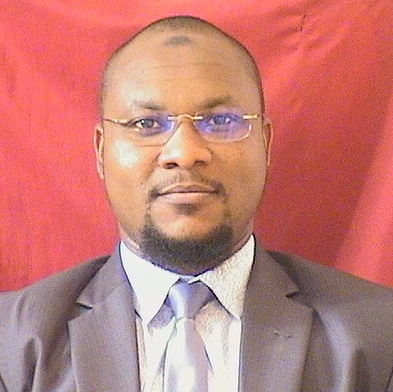
Department of Human Resource and Organisational Development
The researcher's work integrates multiple domains focused on workplace spirituality and leadership, examining themes such as employee commitment, job satisfaction, motivation, team dynamics, leadership practices, professional development, ethics, customer service quality, cultural aspects, teacher education, organizational studies, leadership perceptions, and ethical issues. Central to their research is the exploration of how spirituality and leadership influence organization behavior, particularly in contexts where these elements play a significant role.