Beta Testing
KNUST Research Atlas is currently in active Beta. Report bugs or suggest features to help us improve!
KNUST Research Atlas is currently in active Beta. Report bugs or suggest features to help us improve!
KNUST Research Atlas is currently in active Beta. Report bugs or suggest features to help us improve!
Search, discover, and connect with over 1,800 researchers, faculty members, and scholars across all departments of KNUST.

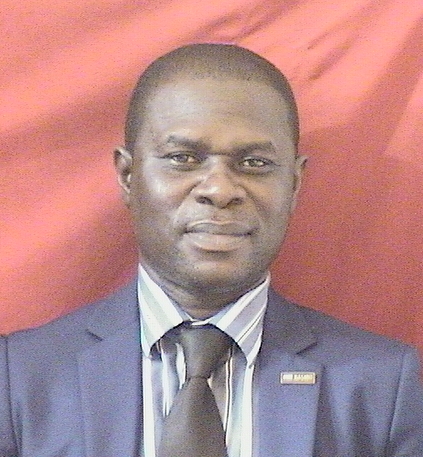
Department of Theoretical and Applied Biology
The researcher has focused on integrating hydrological changes in water balance responses over 40 years with Cocoa and Sweet Potato agronomic studies, which examine bacterial profiles inhibiting the black pod disease pathogen. Additionally, their work investigates wound healing and treatment effects across patients in different hospital facilities, bridging environmental, agricultural, and health aspects to provide a comprehensive understanding of water management, plant resilience, and infection resistance.
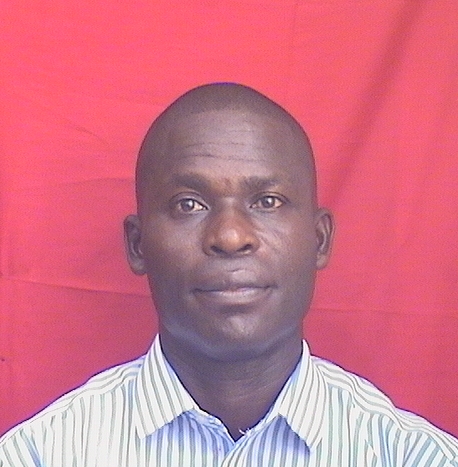
Department of Supply Chain and Information Systems
The researcher has conducted extensive and interdisciplinary studies spanning multiple social sciences domains, focusing on advancements and challenges within transportation planning, ethical considerations of AI, food waste reduction, quality management, technology adoption, sustainable supply chain management, firm innovation, and firm growth.
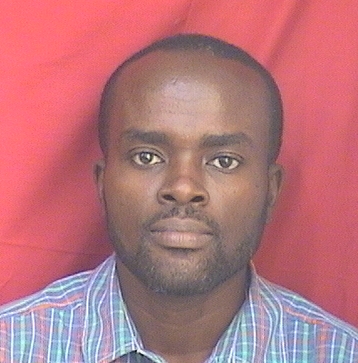
Department of Supply Chain and Information Systems
The research focuses on a comprehensive exploration of disease mechanisms involving autophagy and immune responses, emphasizing their role in both human health and environmental impact. Additionally, it delves into the influence of heavy metals and toxic substances on human health and ecosystems, covering themes such as biotechnology applications, ergonomics, urban development challenges, climate change, mining practices, vaccination coverage, muality issues, water access, labor laws, aging studies, immunological markers, neurodegenerative diseases, and broader societal challenges.
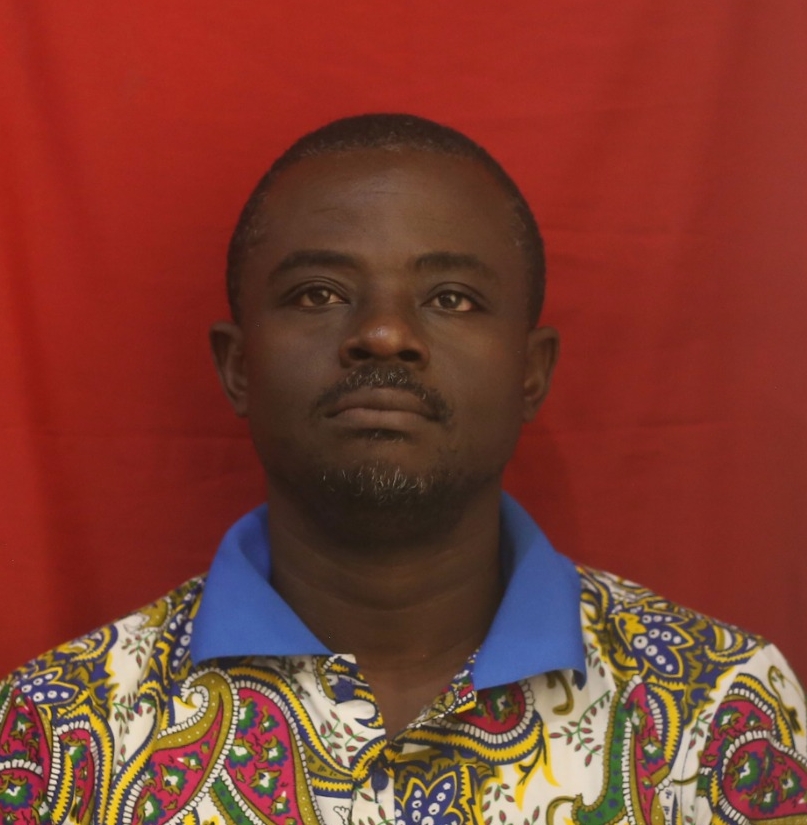
Department of Pharmaceutical Chemistry
The researcher's research is centered around the study of bioactive compounds, focusing on alkaloids, phytochemicals, and antimalarials. Their work encompasses a wide range of areas, including their pharmacological activity, synthesis, interaction studies with natural products, and applications in disease management. Key contributions include the investigation of root extracts from Ononis spinosa for ant-inflammatory effects, triazoles for antimalarial agents, and the pharmacological properties of compounds like 5-HTP. The researcher also employs advanced techniques such as UV-Vis spectroscopy and chemometric strategies to classify herbal products and predict their behavior in various environments. Their work highlights a comprehensive approach to understanding bioactive compounds' roles across health sciences and pharmacology.
Department of Communication Design
The researcher's work investigates the integration of Artificial Intelligence across diverse domains such as Healthcare and Education, Service Interactions, Architecture and Computational Design, and Music History and Culture. Their research delves into both the positive impacts, like improving understanding in healthcare, on environmental sustainability in architecture, and the creative potential of AI in music. The focus is on how AI enhances learning processes and teaching effectiveness while addressing challenges such as environmental impact in education.
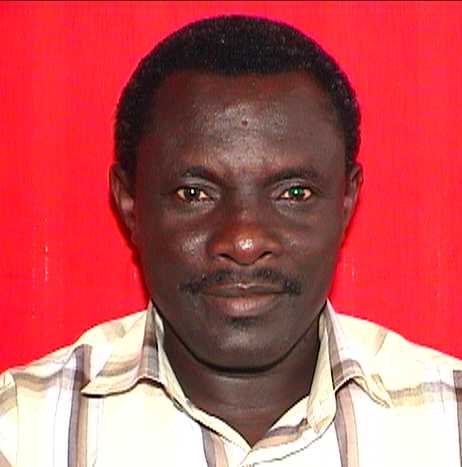
Department of Indigenous Art and Technology
This researcher's work integrates ancient materials like amulets and tanned leathers into innovative designs across diverse fields, from archaeology to fashion and industry. Their focus on manufacturing processes and cultural heritage highlights a synthesis of historical insights with modern techniques.

Department of Human Resource and Organisational Development
The researcher has a broad focus on exploring various scientific disciplines such as nonlinear dynamics of self-organized systems, biophysics in neural networks, and materials science. Their approach involves integrating computational modeling, machine learning, and advanced data analysis techniques to tackle complex problems across these fields.
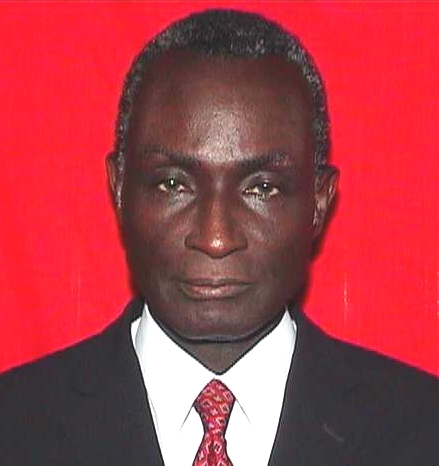
Department of Pharmaceutical Chemistry
This researcher has been developing a nuanced understanding of human behavior in complex social systems and applying machine learning techniques to address challenges in decision-making and public policy. Their work highlights both the evolution of these areas with consistent findings and significant implications for real-world outcomes, showcasing their contributions to interdisciplinary research.
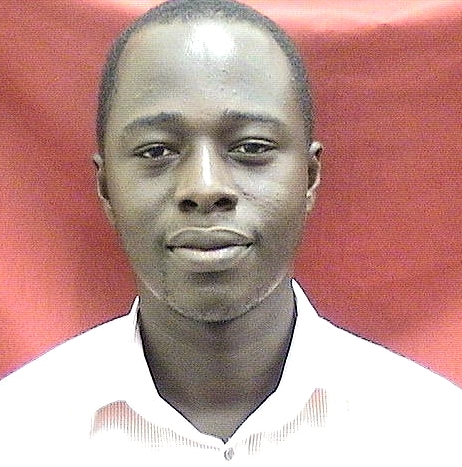
Department of Supply Chain and Information Systems
The researcher investigates the profound impact of big data on multiple domains, leveraging advancements in artificial intelligence and digital technology to explore its influence across education, healthcare, supply chain management, social media platforms, and organizational performance. They examine themes such as how big data enhances decision-making, fosters innovation, and shapes inclusivity while addressing ethical and societal challenges.
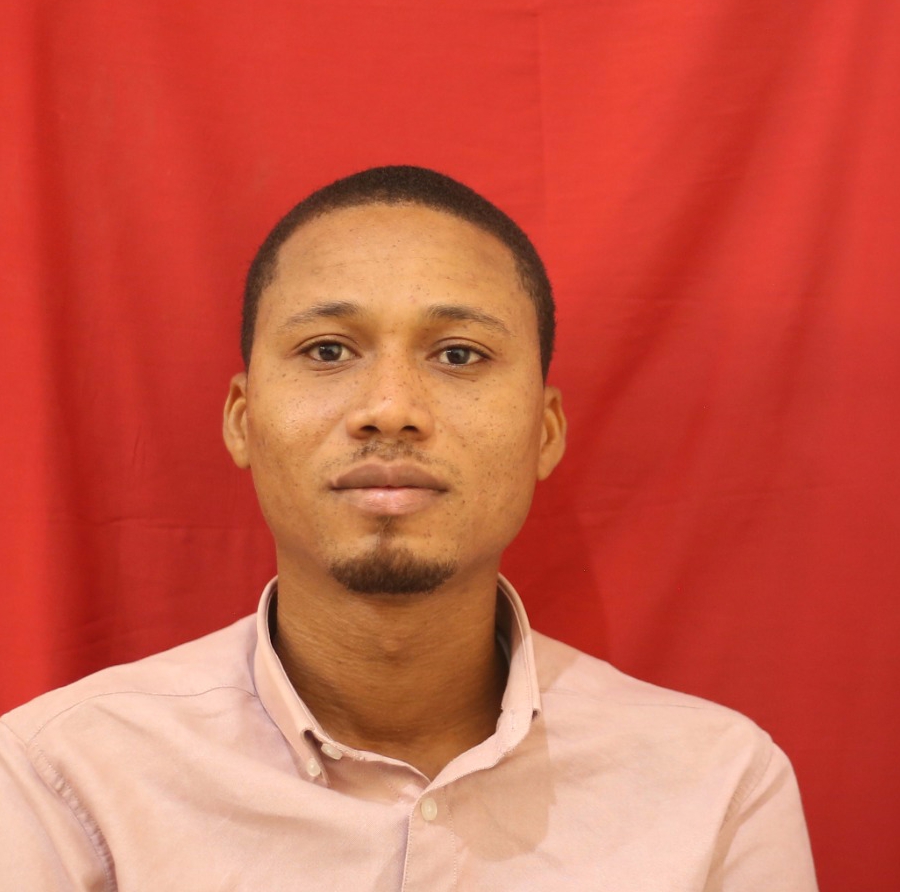
Department of Agroforestry
The researcher's work is centered on integrating traditional agricultural practices with innovative sustainable solutions to enhance cocoa yield and address local needs. Their research encompasses mining impact assessments for illegal operations, agroecosystem resilience through shade systems, intercropping techniques, soil fertility optimization, and biofuel production using moringa oleifera. They also focus on cultural practices like caged fishing and policy reforms in Benin, while addressing environmental issues such as forest restoration in Ghana. Their studies highlight a holistic approach to agriculture that balances traditional knowledge with modern innovations for food security.
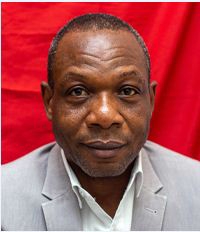
Department of Land Economy
The researcher has made significant contributions to Ghana’s land rights and reforms through a comprehensive study of several themes. Their work spans across various areas, including agricultural production and environmental degradation, youth access to agricultural land, land management practices, disability education, mining, conservation, urban development challenges, project management, transportation, heat mitigation, rights representation, workplace management, global trade sustainability, microfinance, rural development, sustainable building design, and land use. Their research provides valuable insights into governance, land policies, and social justice in Ghana’s land sector, emphasizing the importance of equitable land use and systemic change.
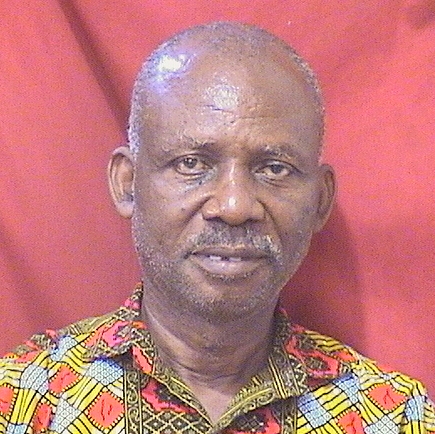
Department of Geomatic Engineering
The researcher has integrated advanced computational methods, including neural networks, feedback mechanisms, and stochastic modeling, across various scientific disciplines to enhance our understanding of complex environmental systems. Their work combines approaches from physics, computer science, and biology to model phenomena such as climate dynamics, ecosystem interactions, and geophysical processes, aiming to uncover fundamental principles governing these systems through the application of innovative computational techniques.