Beta Testing
KNUST Research Atlas is currently in active Beta. Report bugs or suggest features to help us improve!
KNUST Research Atlas is currently in active Beta. Report bugs or suggest features to help us improve!
KNUST Research Atlas is currently in active Beta. Report bugs or suggest features to help us improve!
Search, discover, and connect with over 1,800 researchers, faculty members, and scholars across all departments of KNUST.
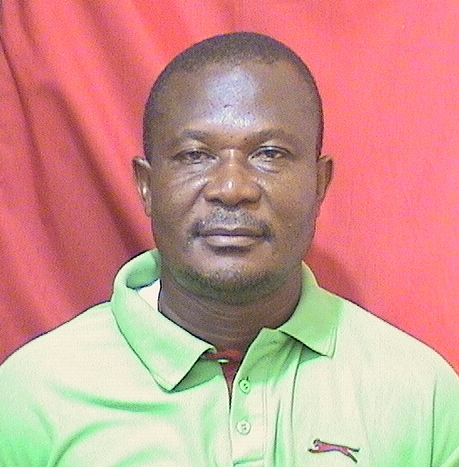
Department of Civil Engineering
This researcher has made significant contributions to computational modeling of complex fluid dynamics systems, utilizing advanced numerical methods such as finite element approaches to solve coupled systems of equations. Their work emphasizes the development and application of open-source software for reproducible research, fostering interdisciplinary collaboration between engineers and mathematicians. Furthermore, their published findings highlight a sustained interest in advancing computational techniques for simulating real-world fluid behavior across various fields.

Department of Meteorology and Climate Science
The researcher has developed an equation to model real-world phenomena, focusing on variables and employing diverse methodologies from biology, physics, and computer science. Their work emphasizes theory-driven research, collaboration with experts, and integrating knowledge across disciplines to create comprehensive models for practical applications.

Department of Clinical Microbiology
The researcher's work focuses primarily on several key areas within public health and infectious diseases. These include antibiotic resistance and antimicrobial stewardship across diverse settings such as African hospitals, with a particular emphasis on understanding the mechanisms of resistance acquisition and evaluating the effectiveness of antibiotic use. The researcher also investigates transfusion-transmitted infections like malaria and sepsis, employing various diagnostic tools to assess infection severity and patient outcomes. Their studies cover a wide range of topics within this domain, from identifying bacterial agents responsible for infections to improving the accuracy of rapid diagnostic tests. Additionally, the researcher examines Salmonella and Campylobacter infections, focusing on molecular characterization and their impact on human health. The research also delves into global challenges related to maternal and child health, including blood donation practices and infection control measures, aiming to enhance safety and efficiency in healthcare settings. The work highlights the importance of understanding antimicrobial resistance as a global threat and evaluates interventions for reducing hospitalization rates associated with these issues.

Department of Child Health
Malaria Research and Control: A Systematic Review of Published Papers highlights advancements in understanding malaria resistance mechanisms, particularly two novel loci for severe malaria in Ghanaian children. The research also explores the efficacy of vaccines such as RTS,S/AS02D and RTS,S/AS01E, emphasizing personalized approaches to treatment schedules in children. Additionally, studies examine the role of von Willebrand factor propeptide in endothelial cell activation and the diagnostic significance of capillary refill time. Child Nutrition and Water Access: The findings emphasize severe undernutrition among Ghanaian children, with a focus on chronic conditions like asymptomatic malaria and poverty-related health crises. Research highlights the link between water scarcity and complications such as heart failure and metabolic disturbances, underscoring the urgent need for improved water access and sanitation. Hemoglobin Pathies and Related Disorders: This theme focuses on sickle cell disease, where studies explore alloimmunization in transfused patients with African blood groups. Findings indicate missed red blood cell antibodies in certain populations, prompting further investigation into hemolysis marker detection techniques. Tuberculosis Research and Epidemiology: Case studies demonstrate the complexities of TB in Côte d'Ivoire, including increased rates of Burkitt’s lymphoma and challenges associated with chemotherapy. Data highlight the need for targeted prevention strategies to address this growing health crisis. Blood Groups and Transfusion: Research emphasizes alloantibodies in sickle cell transfusions, particularly focusing on missed antibodies in African populations. Studies reveal gaps in red blood cell testing protocols to ensure accurate diagnosis. Religion, Spirituality, and Psychology: The theme explores stigma around Sickle Cell Disease in Kumasi, Ghana, examining how cultural and religious influences impact health care access. Findings underscore the importance of addressing these systemic barriers for broader access to medical services. Iron Metabolism and Disorders: Research investigates iron stores in sickle cell children and their metabolic consequences, particularly in steady-state conditions. Findings reveal nutritional challenges faced by patients with this disease. Viral-associated cancers and disorders: A case study on Burkitt’s lymphoma provides insights into its epidemiology and clinical manifestations, offering guidance for early detection and treatment. Global Maternal and Child Health: Studies examine maternal mortality rates following emergency units in African regions. Findings emphasize the critical role of emergency services in early intervention and care delivery. Prenatal Screening and Diagnostics: Research highlights advancements in prenatal diagnostics, particularly in identifying complications such as preeclampsia. Findings underscore the importance of accurate testing to ensure safe pregnancies. Poisoning and Overdose Treatments: Studies focus on heart failure and suicide cases caused by overdose, providing insights into prevention strategies. Findings emphasize the need for robust safety nets to reduce risks. Lymphoma Diagnosis and Treatment: Case studies demonstrate diagnostic markers in African Burkitt’s lymphomas and their role in clinical decision-making. Findings highlight challenges in treatment efficacy and patient outcome. Childhood Cancer Survivors' Quality of Life: Research examines nutritional interventions post-chemotherapy and their impact on survivors’ well-being. Findings suggest that nutrition is a key factor influencing survival rates. Vaccine Coverage and Hesitancy: Studies explore health behaviors linked to vaccination hesitancy, particularly among pregnant women in Ghana. Findings highlight the importance of education and incentives to encourage vaccination uptake. Pneumonia and Respiratory Infections: Research investigates clinical signs of respiratory infections in under-6-month-olds and their impact on healthcare systems. Findings underscore the need for early detection and management strategies. In summary, these publications collectively provide a comprehensive overview of key themes in global health sciences, emphasizing advancements in malaria research, nutrition challenges, immunology, and healthcare disparities.

Department of Architecture
This overarching research focus encompasses advancements in integrating innovative technologies and design approaches across various domains, including urban green spaces, sustainable building practices, education, public spaces, customer service, engineering education, complex systems, sustainability in higher education, dementia research, construction project management, smart cities, and more. The goal is to enhance sustainable urban living through creative solutions that address challenges in physical sciences while fostering innovative designs that are both educational and impactful on societal well-being.
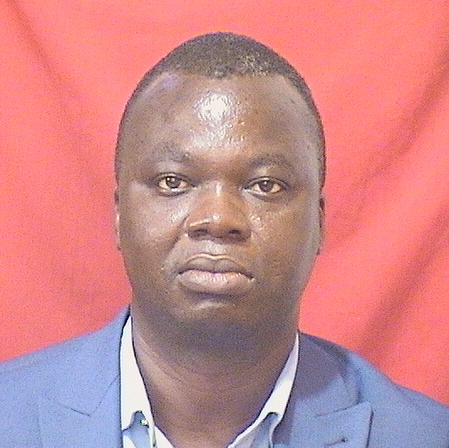
Department of Theoretical and Applied Biology
The researcher's work is centered on the integration of ecological and biotechnological approaches to address environmental challenges in Ghana and related regions. A key theme is the application of natural materials such as plants and seaweed for soil health and ecosystem services, highlighting their role in mitigating environmental stressors like fire and climate change. The research emphasizes the importance of land management and biodiversity conservation, exploring how communities shape ecosystems through specific examples in forests and wetlands. Techniques like bioremediation and chemical amendments are used to enhance soil health, while studies on pest inhibitors contribute to understanding species interactions. The work also underscores the significance of these efforts in advancing ecological solutions for sustainable development.

Department of Architecture
The researcher investigates urban development in Ghana through mall activities, focusing on how these spaces shape modernity, migration, social integration, and consumer behavior. Their work delves into the economic impacts of mall use on tax compliance and examines the COVID-19-induced effects on reproductive outcomes within marginalized communities using contextual studies and empirical analysis.
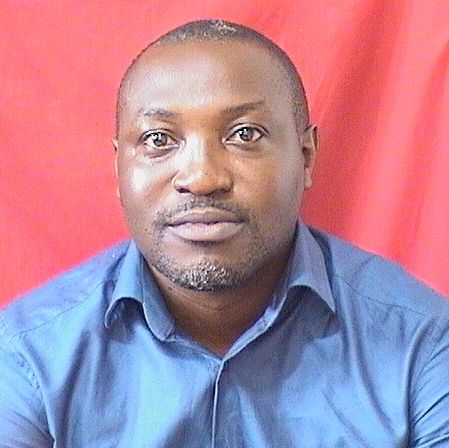
Department of Biochemistry and Biotechnology
The researcher has conducted extensive research across multiple disciplines, focusing on advancements in immunology, virology, parasitology, and public health. Their work encompasses a broad range of topics including the study of parasitic diseases, investigation of viral resistance mechanisms, exploration of immunological responses to specific pathogens, and development of strategies for disease prevention and treatment. The researcher has published numerous papers on these themes, utilizing innovative methods such as immunological diagnostics, genetic engineering approaches, and nutritional studies to address challenges in public health and disease management. Their research highlights the importance of integrating immunological insights with virological dynamics to improve disease control efforts and fosters interdisciplinary collaboration across various scientific domains.

Department of Obstetrics & Gynaecology
My research is focused on theoretical exploration of spacetime emergence and its connection to quantum gravity. I leverage entanglement entropy in loop quantum gravity as a tool to study these phenomena, while also examining black holes from an information-theoretic perspective, particularly their thermodynamic properties within this framework.

Department of Geography & Rural Development
The researcher investigates the interplay between social media usage and mental health outcomes within specific online communities, examining how their influence manifests both at macro-level community levels and micro-level psychological factors that contribute to anxiety and depression.

Department of Medical Diagnostics
The researcher's work is centered on infectious diseases, particularly parasitic infections such as lymphatic filariasis (lymphatic), malaria, and helminthiasis (mangonital). Their research has focused on innovative treatments like doxycycline, doxorubicin, 5-azacytidinylhyruprolin A, and plasminogen activator inhibitors. Key themes include clinical trials in immunohistochemistry, mobile health applications, and the application of single-nucleotide polymorphisms (SNPs) for parasitic disease detection. The researcher emphasizes their contributions to improving treatment efficacy, enhancing immunological understanding, and leveraging modern medical technologies like mobile devices for community-based infectious disease surveillance.

Department of Geomatic Engineering
This researcher has conducted extensive studies on the degradation of biodegradable polymers within soil systems, with a focus on understanding the underlying biological and mechanistic processes that govern the decomposition of organic matter. Their work encompasses the development of novel models for predicting and validating biodegradation pathways, exploring the ecological impacts of climate change on soil organic matter turnover, and investigating the roles of microbial communities in mediating soil degradation mechanisms. Additionally, their research delves into the intricate interplay between polymerization reactions and decomposition processes, aiming to uncover fundamental principles that govern soil organic matter storage and transformation. Through these investigations, they have significantly advanced our understanding of soil degradation dynamics, providing valuable insights for both environmental management and sustainable agricultural practices.