Beta Testing
KNUST Research Atlas is currently in active Beta. Report bugs or suggest features to help us improve!
KNUST Research Atlas is currently in active Beta. Report bugs or suggest features to help us improve!
KNUST Research Atlas is currently in active Beta. Report bugs or suggest features to help us improve!
Search, discover, and connect with over 1,800 researchers, faculty members, and scholars across all departments of KNUST.

Department of Eye, Ear, Nose and Throat
The researcher has made significant contributions to the interdisciplinary field of molecular biology, particularly focusing on cancer metabolism and immunological responses. Their work integrates systems-level approaches in bioinformatics with experimental studies, bridging molecular mechanisms with cellular processes across diverse biological contexts. This integrative approach aims to elucidate complex biological questions by analyzing metabolic pathways and immune system dynamics simultaneously.
Department of Mathematics
The researcher's work integrates diverse areas of physical sciences through AI, focusing on optimizing water systems for leakage detection and vulnerability assessment, employing advanced models like deep learning for hydrological forecasting and simulation. Additionally, they explore anaerobic digestion and biogas production for environmental impacts, while also ensuring robust quality monitoring techniques in water treatment plants.
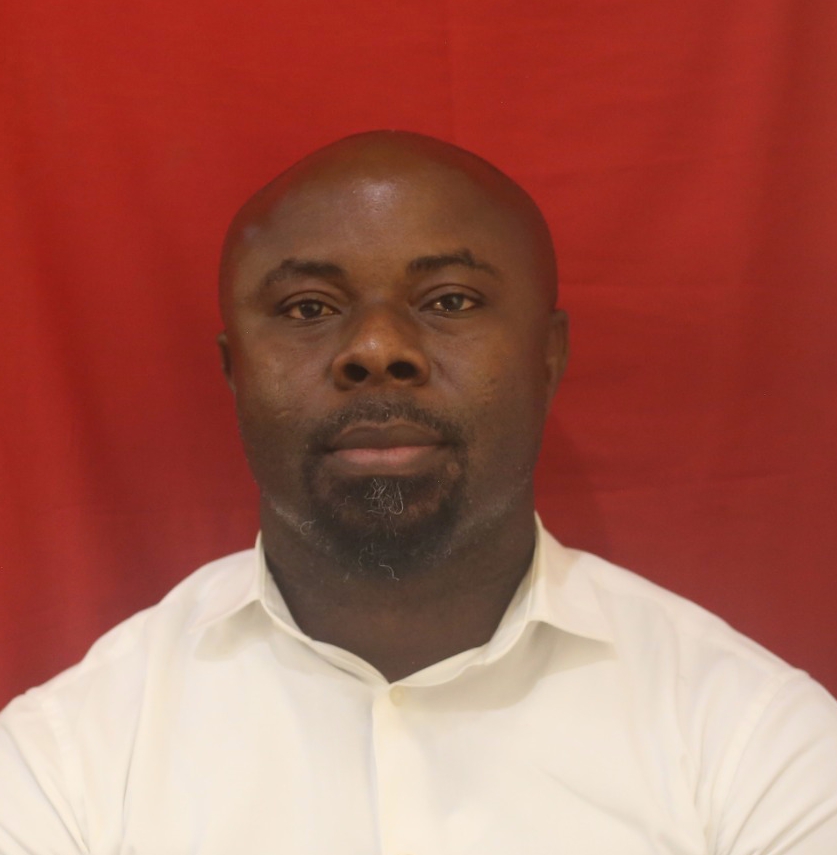
Department of Sociology & Social Work
This researcher's work focuses on understanding the interactions between complex natural and synthetic systems across various fields such as climate science, genetics, and hydrology. Their research aims to bridge these disciplines to address global challenges while fostering cross-cutting knowledge that informs sustainable practices and environmental solutions.
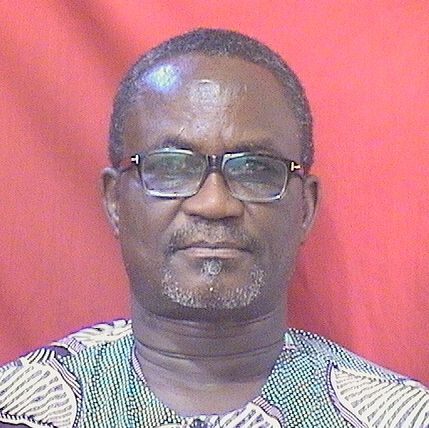
Department of Industrial Art
The researcher has conducted extensive historical and archaeological studies focusing on the production processes of Brass casting within specific cultural communities such as the Asantes in Ashanti, Ghana. Their work includes an examination of these processes from 2015, revealing insights into how materials were utilized for construction.
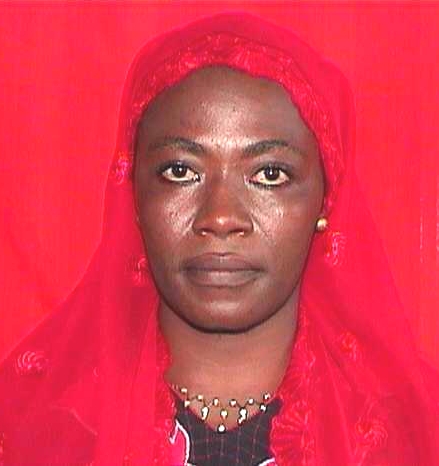
Department of Chemistry
The researcher focuses on the intersection of mathematical modeling with biological and applied mechanical principles, particularly examining processes such as optimal shape formation, the development of bio-inspired materials, and the dynamics within cell populations. Their work aims to model these complex interactions using mathematical tools while also developing validation techniques to ensure the accuracy and applicability of their findings in real-world scenarios.
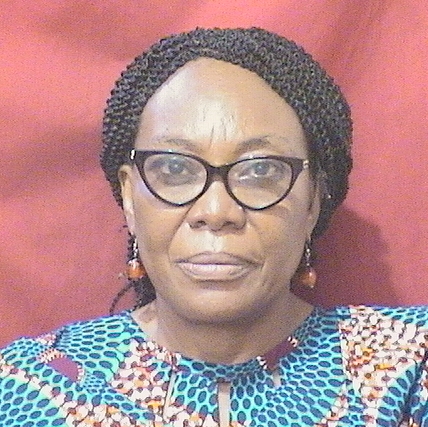
Department of Food Science and Technology
The researcher has integrated plant science with food chemistry, focusing on themes such as Moringa oleifera research, polysaccharides, cassava advancements, rice production, nutrient composition, and innovative food chemistry applications. Recent studies have explored the potential of plants in agriculture, utilizing techniques like spectroscopy for chemical analysis and chemometric methods for data interpretation. The researcher's work spans from traditional plant uses to novel food compositions, emphasizing their roles in energy storage, sensory evaluation, and health outcomes. Advanced methodologies include bacterial products and energy storage materials, highlighting innovation and interdisciplinary approaches across domains.
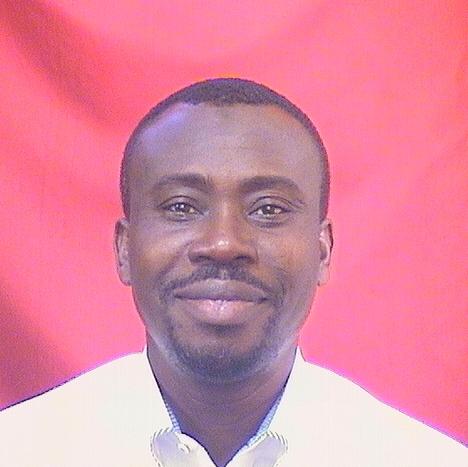
Department of Computer Science
The researcher focused on developing language learning models and materials for EFL/ESL students, applying sociocultural approaches to enhance their willingness to communicate. They also explored online learning environments with blended teaching methods, investigating content difficulty and technology integration. Additionally, they contributed to pedagogical frameworks that improve second language learning for preservice teachers, while integrating social incentives into blended learning contexts.
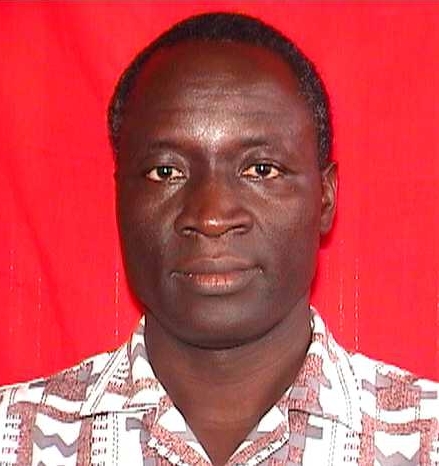
Department of Planning
The researcher has made significant contributions to understanding urban and rural development challenges across multiple domains, particularly in sustainability, policy, and environmental impact. Their work spans themes such as urban agriculture, energy policies, mining practices, child nutrition, and public health, reflecting a comprehensive approach to addressing social and environmental issues in African contexts.
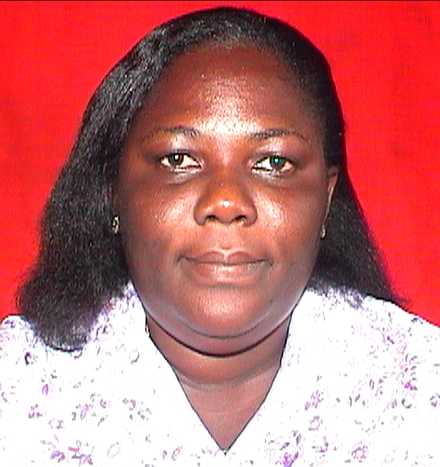
Department of Horticulture
The researcher has made significant contributions across a wide range of disciplines, focusing on enhancing agricultural sustainability, productivity, and quality through innovative strategies. Their work extends from sustainable farming practices to traditional food applications, employing plant genetics, soil science, and eco-friendly practices to develop integrated systems that improve efficiency and resilience in diverse contexts like life sciences, plant biology, and urban development.
Department of Anaesthesiology & Intensive Care
The researcher's work spans multiple areas of computational and applied mathematics. Their research focuses on optimizing numerical methods for solving partial differential equations (PDEs), introducing machine learning techniques to predict molecular properties, and developing multiscale models to study tumor growth while accounting for uncertainties in the modeling processes.
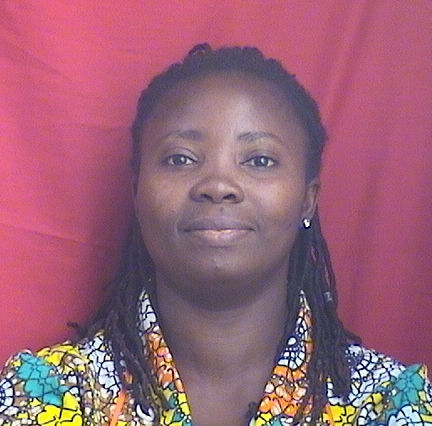
Department of Publishing Studies
The researcher focused extensively on the theme of academic integrity, particularly examining plagiarism within higher educational institutions, employing an interventionist approach to understand its impact across diverse academic contexts in the social sciences.

Department of Sociology & Social Work
This researcher integrates computational biology with software engineering principles, particularly in AI-driven applications, to address complex problems across diverse domains such as healthcare and finance. Their work bridges theoretical advancements in data science with practical solutions, demonstrating the integration of multiple fields for broader understanding and driving innovation in AI. This interdisciplinary approach not only enhances academic contributions but also fosters impactful real-world impacts, positioning them at the forefront of cutting-edge research that integrates computational techniques across various domains.