Beta Testing
KNUST Research Atlas is currently in active Beta. Report bugs or suggest features to help us improve!
KNUST Research Atlas is currently in active Beta. Report bugs or suggest features to help us improve!
KNUST Research Atlas is currently in active Beta. Report bugs or suggest features to help us improve!
Search, discover, and connect with over 1,800 researchers, faculty members, and scholars across all departments of KNUST.
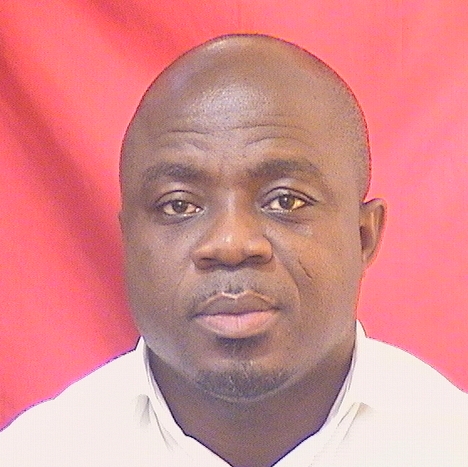
Department of Accounting and Finance
The researcher has conducted extensive research integrating multiple domains within life sciences, focusing on the interplay between human health, environmental change, and agricultural systems. Their work spans themes such as ethnobotanical plant medicine in developing regions, water-smart farming strategies under changing climate conditions, remote sensing-based studies of rice biomass growth, agricultural resilience mechanisms, and soil carbon dynamics across diverse climatic conditions. This comprehensive approach aims to enhance our understanding of human health threats from environmental degradation and policy-driven resilience strategies.
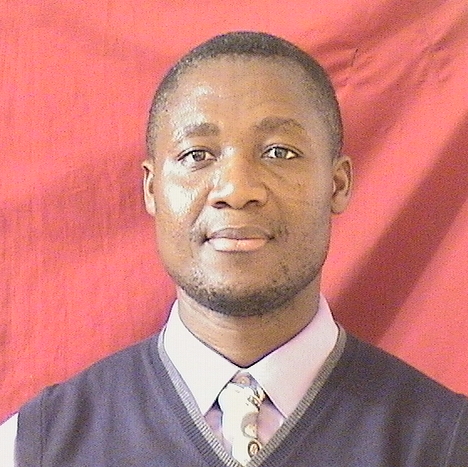
Department of Chemistry
This researcher has conducted extensive studies across various domains of plant chemistry and its applications. Their work encompasses essential oils and antimicrobial activities, as well as the exploration of synthetic organic molecules with unique properties, including phenolic compounds. The researcher further investigates their bioactivities in materials science and medicine, highlighting advancements in pharmacological applications such as bioactive compounds derived from plants.

Department of Planning
The researcher has made significant contributions across multiple domains, focusing on themes such as urban development and disaster management, flood risk assessment, transport safety, environmental adaptation, and gender roles. Their work emphasizes the interconnected nature of these areas within social and physical sciences, highlighting key challenges and innovative approaches to addressing them.
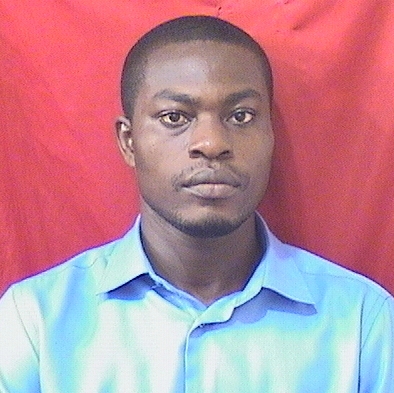
Department of Statistics and Actuarial Science
The researcher's work focuses on integrating complex systems across various domains, including financial markets, economic growth dynamics, and demography, employing advanced mathematical models to understand their interplay in shaping modern societal behaviors.
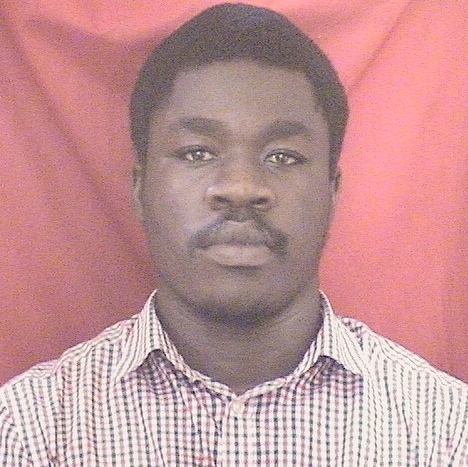
Department of Anatomy
This researcher has made significant contributions across diverse disciplines by integrating anthropological, evolutionary, genetic, forensic, and surgical methodologies to study ethnic differentiation using body measurement techniques. Through their work on forensic anthropology, evolutionary psychology, nasal surgery, hemispheric asymmetry studies, and breast cancer treatment, they demonstrate a commitment to understanding how ethnicity is inferred through body features across various scientific fields. Their research highlights the application of diverse methodologies in analyzing human traits and behaviors within diverse contexts, particularly focusing on Ghanaian populations using anthropological data for forensic applications and evolutionary insights into cultural and physiological differences.

Department of Surgery
The researcher has conducted extensive research focusing on several key areas within human health, including obesity, metabolic syndrome, cardiovascular risk factors, and aging. Their work emphasizes the role of diet and lifestyle interventions in preventing and managing chronic diseases. Through a series of longitudinal studies using diverse methodologies, they have identified significant predictors of metabolic dysfunction, cardiovascular health issues, and nutritional deficiencies among vulnerable populations. Their findings highlight the importance of complementary dietary approaches in addressing conditions such as diabetes, hypertension, and obesity, providing insights for evidence-based interventions to improve public health outcomes.
Department of Biochemistry and Biotechnology
The researcher has conducted extensive research spanning multiple domains to investigate the intricate interplay between dietary habits, lifestyle factors, metabolic conditions, cardiovascular risks, hypertension, metabolic syndrome, and other health complications across diverse contexts. Their work integrates individual studies on specific populations (e.g., Ghanaian women) with large-scale investigations in national healthcare systems, examining how diet, genetics, medical devices, and social determinants influence health outcomes such as obesity, diabetes, cardiovascular risk, and metabolic syndrome. This comprehensive approach highlights the holistic nature of understanding health issues by linking personal dietary patterns to broader societal and genetic factors, providing insights into holistic health management strategies.
Department of Nursing
The researcher focuses on examining various psychological and systemic issues in healthcare settings that impact both patient well-being and the nursing profession, including burnout, adverse events, mental health challenges, work-family balance, and treatment access, with a particular emphasis on how these factors influence stakeholders from patients to professionals, families, educators, managers, and higher education.
Department of Forest Resources Technology
The researcher's work integrates across multiple domains, focusing on the interplay between ecological systems, social impacts, and environmental sustainability. Their studies span themes like mining and resource management, forest ecology, water chemistry in wetlands, biodiversity conservation, and land use. The research examines how these areas influence livelihoods, ecosystem dynamics, and broader social changes. Through a blend of fieldwork and systematic analysis, the researcher highlights how sustainable practices and ecological resilience address environmental challenges while preserving human rights and community well-being. Their findings underscore the importance of understanding both natural systems and their social contexts to drive meaningful outcomes in resource management and conservation efforts.
Department of Geomatic Engineering
The researcher's work focuses on advancing physical sciences through innovative use of satellite technology, particularlyGNSS positioning with considerations of interference, which impacts geodetic measurements. Their research explores the practical applications of GNSS in geophysics and life sciences, while also examining its role in smart city technologies to enhance infrastructure and urban planning.
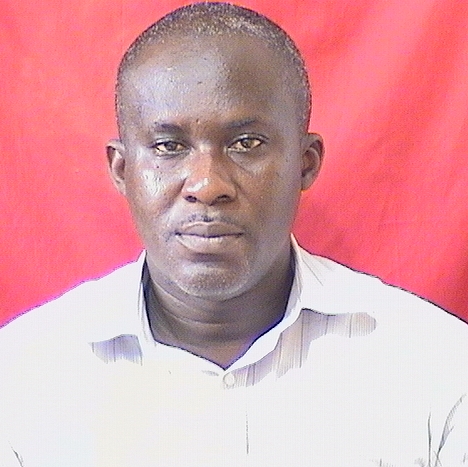
Department of Wildlife and Range Management
This researcher's work centers on unraveling the fundamental principles that govern biological systems, particularly through a detailed examination of molecular mechanisms and cellular dynamics. Their research spans diverse fields, including protein folding, cancer metabolism, stem cells, immunology, and the intersection with artificial intelligence in gene regulation, demonstrating both foundational insights into complex biological processes and potential advancements in understanding these systems.
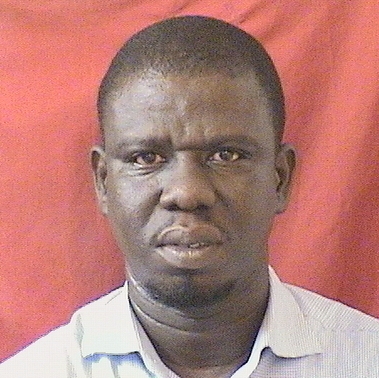
Department of Medicine
The researcher focuses on addressing global health challenges through comprehensive studies across multiple themes and domains, particularly in the African context of Ghana. Their work encompasses a wide range of public health issues, including diabetes management and education, hypertension and hyperlipidemia research, tuberculosis elimination efforts, malaria control strategies, parasitic disease treatment approaches, cardiovascular complications of pregnancy, oral microbiology, venous thromboembolic diagnosis, HIV-related health complications, ophthalmology, COVID-19 treatment protocols, neurological and metabolic disorders, heart failure care, dermatological diseases, global maternal and child health initiatives, mycobacterium eradication, trauma and emergency care, Pulmonary hypertension management, and community engagement in disease prevention. Their research aims to inform evidence-based interventions for improving health outcomes and reducing barriers faced by vulnerable populations in rural Ghana, with a focus on accessible healthcare delivery and public health education programs.