Beta Testing
KNUST Research Atlas is currently in active Beta. Report bugs or suggest features to help us improve!
KNUST Research Atlas is currently in active Beta. Report bugs or suggest features to help us improve!
KNUST Research Atlas is currently in active Beta. Report bugs or suggest features to help us improve!
Search, discover, and connect with over 1,800 researchers, faculty members, and scholars across all departments of KNUST.
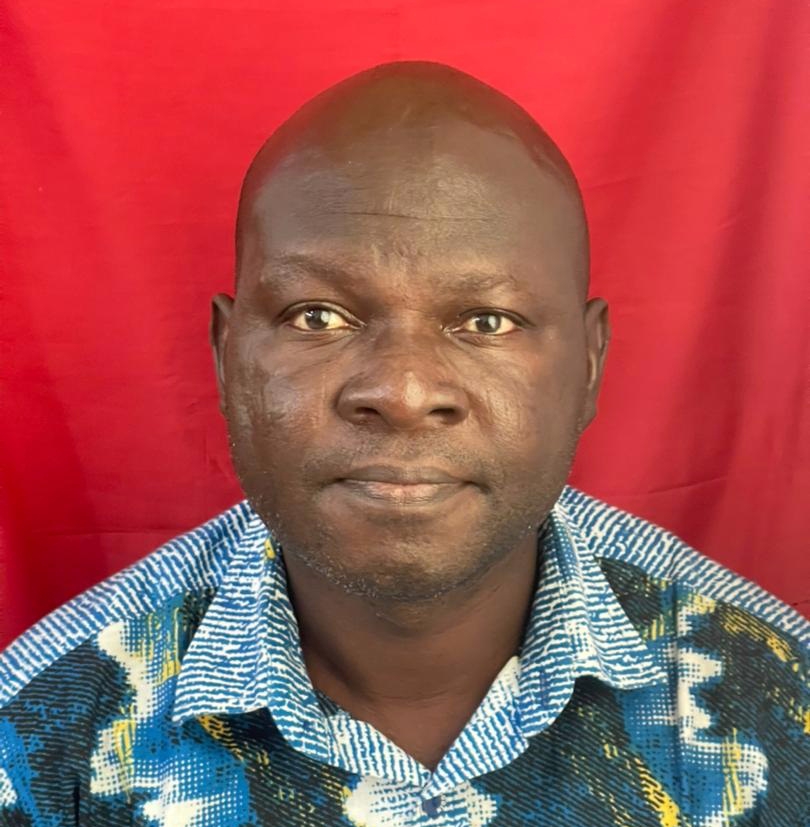
Department of Clinical Microbiology
The researcher has conducted extensive research on malaria detection, diagnosis, treatment, and control in Ghana. Their work focuses on identifying Plasmodium species after asymptomatic infections using various methods, characterizing their gene expression patterns within host cells, and developing diagnostic tools to prevent malaria in children less than five years old. The findings highlight the effectiveness of treatments like ACT (Asymptomatic Gibbs Reproductive Infection) in detecting specific malaria parasites and suggest that immune evasion mechanisms, such as cross-stage antigenic targeting, can be harnessed for potential antimalarial drug development. Additionally, the researcher has examined seasonal patterns of malaria, including its prevalence in communities with prolonged transmission periods, emphasizing the importance of early diagnostic testing to prevent severe cases among vulnerable populations.
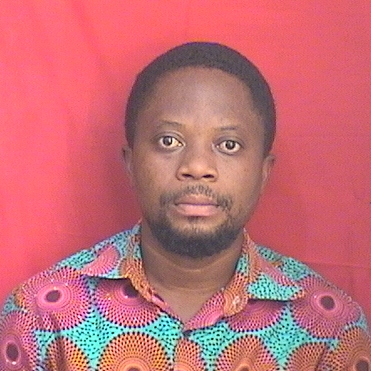
Department of Mechanical Engineering
The researcher’s work focuses on integrating hybrid renewable energy systems with global energy transition strategies, examining their environmental impacts and thermochemical efficiencies. Their studies highlight innovative applications of solar photovoltaic (PV) systems in reducing energy costs for households through electric cooking and rooftop solar thermal generation. Additionally, they investigate the potential of redundant energy from PV systems to drive future research trends across various physical sciences domains, including hybrid renewable energy, energy environment impacts, thermochemical processes, photovoltaic systems, solar thermal and energy systems, land use, building energy optimization, and renewable energy innovation.
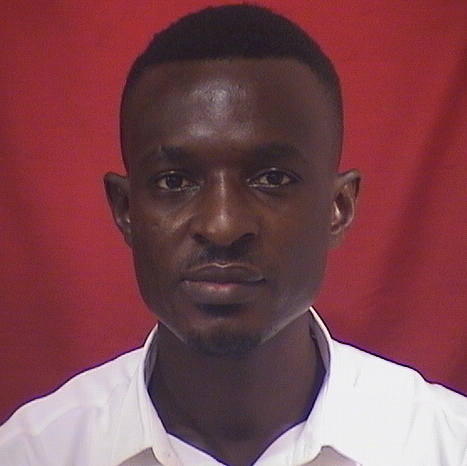
Department of Computer Engineering
The researcher has expertise in machine learning with a strong mathematical foundation, focusing on optimization techniques for neural network models. Their work encompasses both convex and non-convex optimization, exploring distributed systems and asynchronous communication protocols. They are particularly interested in Byzantine fault-tolerant learning systems, which enhances robustness under adversarial or failure-prone environments. The research integrates theoretical foundations with algorithm development and practical deployment across diverse domains such as healthcare and finance, leveraging quantum computing applications. Their work emphasizes collaboration with industry partners and utilizes open-source software to drive impactful solutions in real-world scenarios.
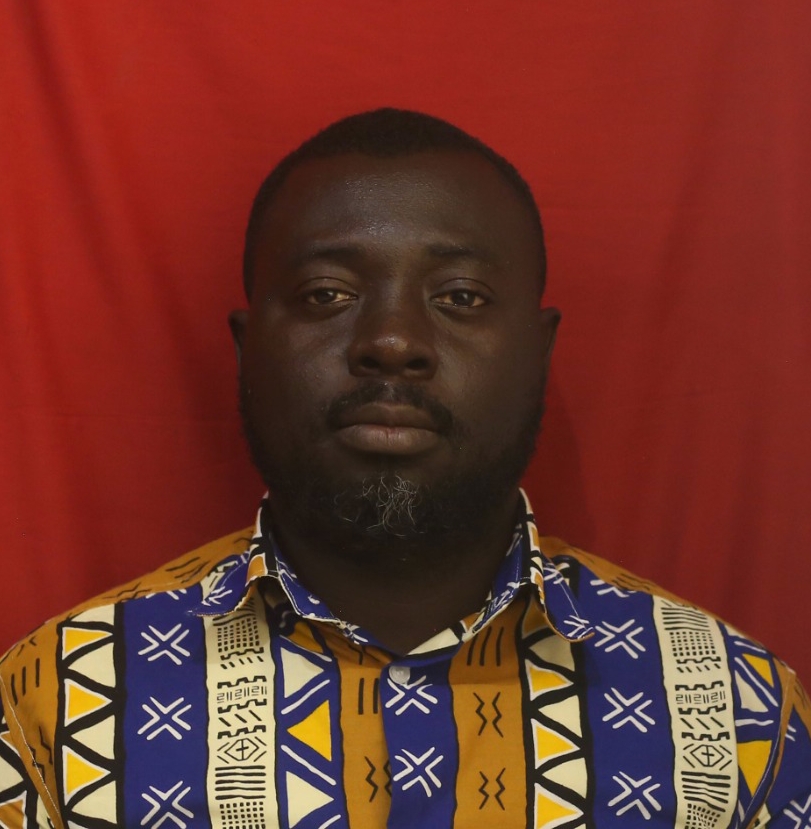
Department of Animal Science
The researcher investigates the molecular mechanisms involving miRNAs across diverse biological systems, with a focus on their roles in regulating gene expression, cell differentiation, and disease development. Their work highlights significant contributions to understanding miRNA-mediated processes, including their interactions with key proteins (e.g., CDR1a) that regulate muscle development, and systemic RNA editing efforts that uncover RNA editing events influencing skeletal muscle development. Additionally, the study emphasizes miRNAs' roles in parasitic infections, livestock genetics, and insect resistance, demonstrating how these molecules play critical roles in disease progression, genetic diversity analysis, and immune resilience.
Department of Pharmaceutics
The researcher's work spans multiple areas of health sciences, focusing on advancements in medical imaging techniques such as digital radiography and advanced MRI applications. They also investigate the education and practice of radiologists, examining how to improve image interpretation and reduce healthcare costs in resource-constrained settings. The study delves into global health disparities, particularly in cancer incidence and radiation dose management, while exploring mental health issues related to the COVID-19 pandemic and ergonomics in diagnostic imaging. Additionally, they examine musculoskeletal disorders and rehabilitation programs, as well as stress and burnout in healthcare professionals. Their research extends to environmental sustainability in medical radiation science education and investigates patient behaviors in radiology practice. They also contribute to health and medical studies by collecting data on physical therapists' research experiences, while examining the impact of climate change on public health. The researcher's work reflects a holistic approach from advanced imaging techniques to patient-centered care, global health equity, and the intersection of human behavior with healthcare delivery.
Department of Industrial Art
The researcher has conducted extensive work across a broad spectrum of material science disciplines, focusing on the development, characterization, and application of advanced materials with significant implications for biomedicine, energy harvesting, environmental cleanup, catalysis, polymer composites, battery creation, toxicity reduction, insect control, and sustainable energy technologies. Their work aims to push boundaries in these areas by advancing novel techniques and enhancing material applications across diverse fields.
Department of Agricultural Economics, Agribusiness and Extension
The researcher investigates catalytic intermediates as electron acceptors in organic systems, focusing on their roles in energy transfer mechanisms and applications across diverse contexts, from enzyme catalysis to photocatalytic processes for redox reactions. Their work emphasizes the development of sustainable biodegradable materials through organocatalytic strategies.
Department of Geological Engineering
The researcher's work spans multiple scientific disciplines, reflecting a comprehensive approach to understanding geological, environmental, and resource-related themes. Their research integrates geochemical analysis across various domains, including the study of metals in Ghanaian ecosystems, mineralogical characteristics of specific sites like Lake Bosomtwe and Ashanti Region, and quantitative methods such as geophysical assessments. The researcher employs methodologies like kriging, GIS, acid mine drainage, and construction integration to explore provenance, tectonic settings, chemical signatures, and environmental contamination. Their work also includes both exploratory studies on sedimentary rocks and metals, comparative analyses of analytical techniques, case studies in mining contexts, mapping methods, and applications in resource management. This integrated approach highlights the researcher's dedication to advancing knowledge across geology, chemistry, and environmental science.

Department of Environmental Science
The researcher's work focuses on two key areas of anaerobic digestion and wastewater treatment: producing biogas from co-substrates in Ghana and enhancing processes through human excreta in a biogas-producing system.

Department of Chemical Engineering
The researcher's work focuses primarily on the field of public relations and crisis communication within the social sciences domain. Their studies emphasize the interplay between cultural values, communication strategies, and organizational resilience. Methodologically, they analyze how these areas influence international crises in global governance contexts. They also explore applications across diverse societal systems, examining both successes and challenges faced in crisis management efforts. Furthermore, their research highlights the importance of public relations in mitigating risks while fostering social cohesion. This comprehensive approach provides a nuanced understanding of the evolving landscape of public communication under crisis pressure.
Department of Silviculture and Forest Management
The researcher's work is centered around the intersection of land use, ecosystem services, and agricultural practices in Ghana, particularly focusing on cocoa cultivation and tree farming. Their research delves into how sustainable agroforestry systems can contribute to carbon stock enhancement while mitigating soil nutrient deficits. By examining the ecological dynamics within these systems, they explore the environmental, economic, and social implications of land management strategies. The study also highlights the role of mining activities in shaping local ecosystems, emphasizing their impact on soil health and carbon storage. Through a multidisciplinary approach that includes geology, botany, and economics, the researcher aims to provide insights that bridge agricultural practices with ecological sustainability goals, offering valuable perspectives for improving forest management and sustainable development strategies in Africa.
Department of Surgery
The researcher's work is centered around several key areas in gastrointestinal and related fields. Their primary focus includes improving the diagnosis, management, and care of gastrointestinal disorders, with a particular emphasis on congenital anomalies such as appendicitis, hernias, and perforations. They also explore broader global health issues, including maternal and child health, international surgical initiatives, and clinical care standards. Through their publications across various subdomains, they aim to enhance the quality of care for patients worldwide, particularly in resource-limited settings.