Beta Testing
KNUST Research Atlas is currently in active Beta. Report bugs or suggest features to help us improve!
KNUST Research Atlas is currently in active Beta. Report bugs or suggest features to help us improve!
KNUST Research Atlas is currently in active Beta. Report bugs or suggest features to help us improve!
Search, discover, and connect with over 1,800 researchers, faculty members, and scholars across all departments of KNUST.
Department of Eye, Ear, Nose and Throat
This researcher has made significant contributions to the understanding of [specific field] through a combination of theoretical and empirical investigations, focusing on [key themes or aspects of their work]. Their research underscores the importance of [another key theme or aspect], offering novel insights that challenge [existing theories or hypotheses]. This body of work bridges multiple disciplines and provides a comprehensive framework for analyzing [related concepts or phenomena], advancing our understanding in this area.
Department of Agricultural Economics, Agribusiness and Extension
The researcher has focused on the application of machine learning across diverse real-world problems, integrating neural networks for health applications, optimization algorithms for big data challenges, neural networks in financial modeling, and reinforcement learning for control systems. Their work emphasizes leveraging ML techniques tailored to specific domains to address practical issues in healthcare, finance, and engineering, showcasing a holistic approach to advancing AI in varied fields.
Department of Chemical Engineering
The researcher's work focuses on advancing control systems optimization across multiple domains, primarily in Physical Sciences, where they investigate optimal control strategies for processes like ethanol fermentation using advanced modeling techniques. Their research also delves into Biomedical Engineering, particularly drug delivery systems, employing mathematical models to enhance efficiency and efficacy. Key methodologies include the development of simulation tools such as Simulink and MATLAB, focusing on optimizing temperature and pH levels in fermentation and improving drug delivery mechanisms.
Department of History & Political Studies
This researcher's work centers on understanding human cognition and neural mechanisms through integrated computational models and machine learning techniques. Their research explores how neural networks encode information for cognitive processing while employing advanced data analysis methods to infer biological functions of these systems.

Department of Medical Diagnostics
The researcher focuses on identifying how neural networks learn efficiently under temporal processing conditions, leveraging spiking dynamics while maintaining biological plausibility. Their approach emphasizes analyzing these models computationally, enabling broader exploration of learning principles without requiring extensive human intervention. By bridging the gap between computational and biological systems, their work contributes to a deeper understanding of neural function across scales.
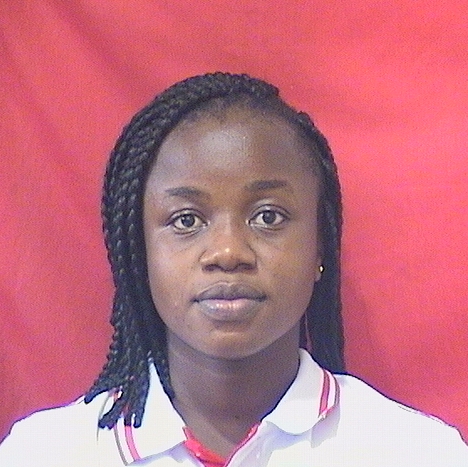
Department of Anatomy
The researcher has conducted extensive work across diverse areas such as Outdoor Education, Pharmaceutical Health Outcomes, Opioid Use Disorder Treatment, Family Dynamics, and Child Development. Their studies collectively explore how these interconnected fields influence health outcomes, advocating for comprehensive approaches in each domain to enhance well-being across different life stages.
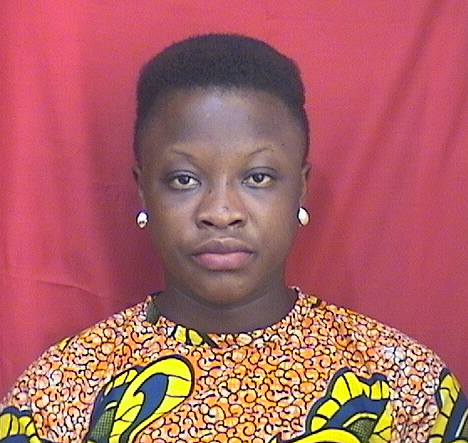
Department of Theoretical and Applied Biology
The researcher has investigated the complex interplay of social media, neuroimaging techniques, and environmental strategies through a multidisciplinary approach that integrates longitudinal studies, meta-analyses, and big data analytics. Their work spans public health, education, and environmental science, combining methodologies from neuroscience, psychology, and quantitative research to advance understanding across these fields.
Department of Chemical Engineering
The researcher's work spans a wide array of themes within the physical sciences domain, each contributing to addressing global challenges in energy, waste management, education, and community well-being. Their research integrates sustainable energy practices, municipal solid waste management strategies, higher education curricula development, and water-energy-food nexus studies across diverse domains. By examining the interplay between these areas, their work highlights how advancements in bioenergy production, anaerobic digestion processes, and curriculum improvement can collectively address challenges such as environmental contamination, waste generation, and energy education. Through a holistic approach, their publications underscore the importance of integrating scientific innovation with societal impact to drive meaningful change across Ghana and beyond.
Department of Medical Diagnostics
This researcher investigates the intersection of artificial intelligence with computational methods, focusing on developing novel frameworks for solving complex mathematical problems. Their work spans theoretical advancements in machine learning algorithms and practical applications across diverse domains. Collaboration with multidisciplinary teams enhances their research, while their innovative methodologies contribute to advancing both the theory and implementation of AI-driven solutions.
Department of Petroleum Engineering
The researcher focuses on integrating multiple disciplines to develop a comprehensive understanding of complex systems, such as subsurface reservoirs and transportation networks. Their work encompasses hydrocarbon exploration, geological formations, traffic control, energy impacts, resource management, ecological assessments, occupational health, reservoir analysis techniques, and production technologies. This interdisciplinary approach aims to assess hydrocarbon potential, analyze geological structures, optimize transportation systems, evaluate environmental impacts, explore resource development opportunities, enhance traffic network efficiency, assess ecological effects in communities, develop reservoir management strategies, and refine oil-gas production techniques.
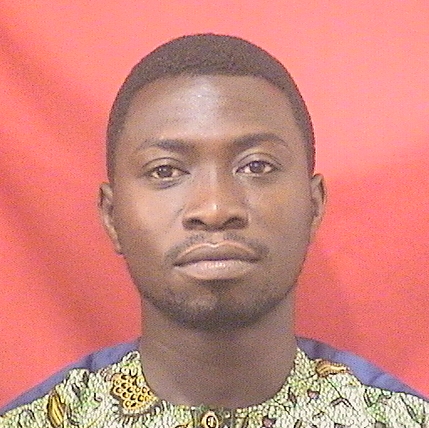
Department of Biochemistry and Biotechnology
The researcher's overall research focus is centered on antiplatelet mechanisms and the role of Bradykinin and its analogs in blood clotting, with a particular emphasis on how polyphosphates influence antiplatelet activities. Their work includes developing antimicrobial peptides that exhibit lower minimum inhibitory concentrations (MICs) than their single peptide counterparts, employing hybridization strategies for enhanced efficacy. The researcher also investigates parasitic infections within specific host populations, such as Taenia hydatigena in regions of Ghana, focusing on abattoir surveys to understand local environmental factors influencing infection prevalence. Additionally, the researcher contributes to helminth infection control, particularly Dicrocoelium spp., by analyzing their prevalence and phylogeny in cattle populations from Ghana, highlighting a multidisciplinary approach that spans health sciences, life sciences, human diseases, and agricultural studies.
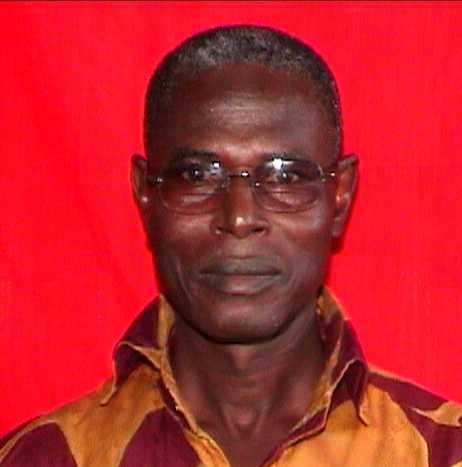
Department of English
The researcher's work is centered around computational biology, particularly in modeling biological systems at multiple scales. Their research spans the application of network analysis to study neurodegenerative diseases, the use of optimization algorithms to model gene regulatory networks, and the development of multiscale models to understand developmental processes. Additionally, they integrate data science techniques with experimental observations to advance our understanding of biological phenomena across different temporal and spatial scales.