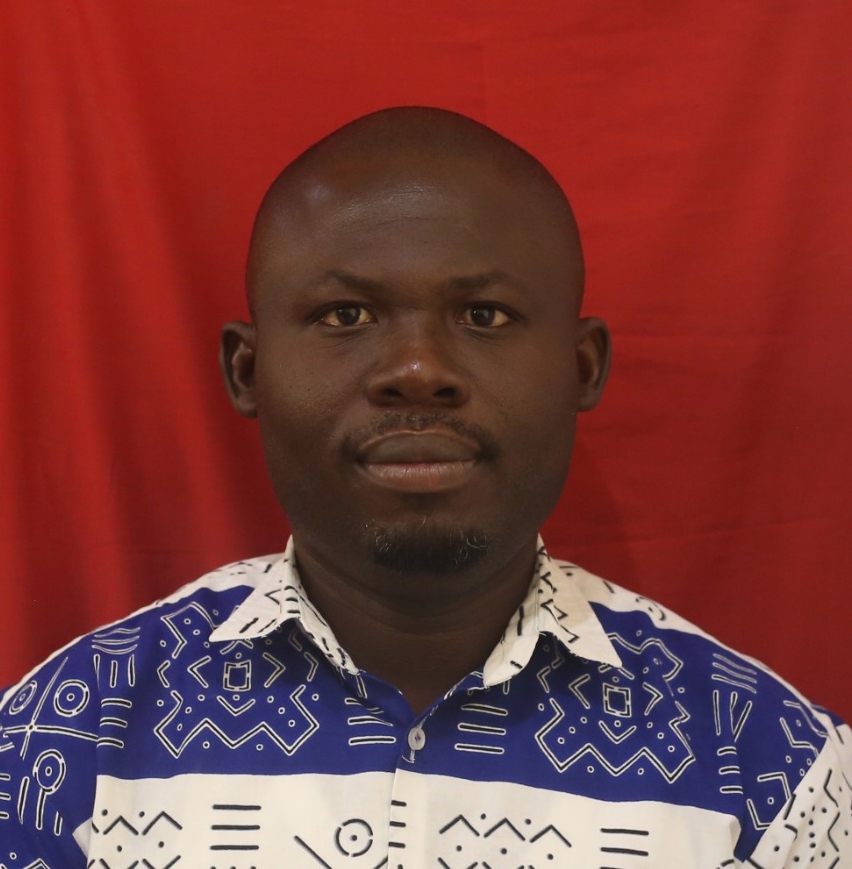
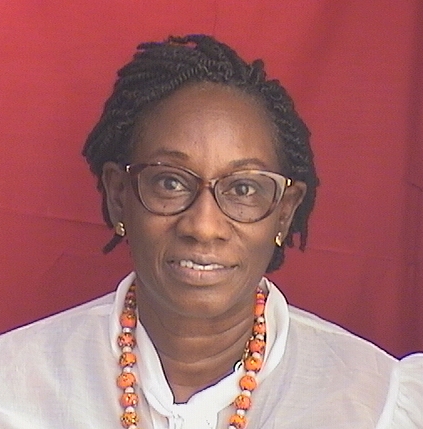
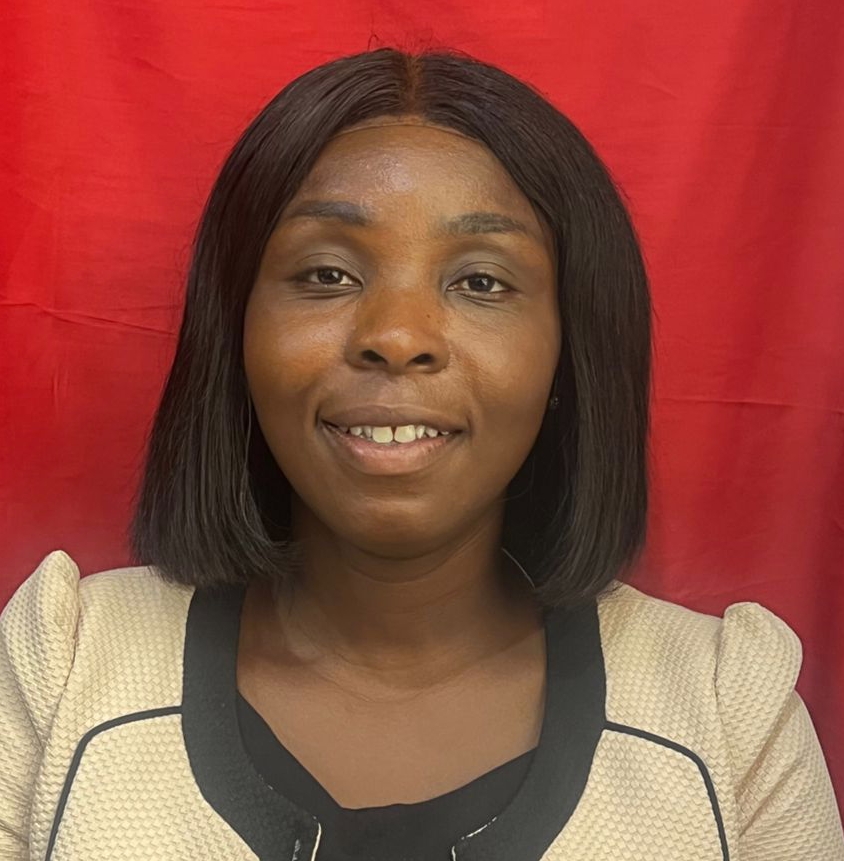
Search, discover, and connect with over 1,800 researchers, faculty members, and scholars across all departments of KNUST.
Department of Supply Chain and Information Systems
This researcher examines how humanitarian organizations manage their knowledge and innovation through a lens that balances internal efforts with external communication, analyzing performance metrics related to their ability to innovate and stand out in international contexts. Their work contributes to understanding the dynamics of managing knowledge and innovation within humanitarian organizations by examining the boundary roles of innovation intensity and external communication.
Department of Computer Science
The researcher's work integrates machine learning into various fields within physical sciences, focusing on enhancing energy systems' efficiency, improving network security, advancing data storage technologies, detecting and preventing malware, addressing smart grid vulnerabilities, enhancing cybersecurity, and fostering privacy solutions. Their studies aim to leverage AI/ML across these areas to solve complex challenges, from predicting solar PV energy impacts to developing secure smart grids and managing advanced adversaries with sophisticated algorithms.
Department of Agroforestry
The researcher's work focuses on integrating studies across several disciplines to address challenges in infectious diseases, land-use and ecosystem dynamics, viral infections, agricultural practices, and sustainable development strategies. From animal virus research to environmental impact assessments, the researcher explores how these issues intersect with food security, agroecology, and public health. Through mobile health applications and innovative crop management techniques, the study aims to enhance agricultural productivity while mitigating risks associated with climate change and poverty in Ghana's semi-deciduous ecosystems.
Department of Physics
The researcher's work focuses on integrating AI techniques with medical diagnostics through deep learning models such as ResNet18 and ResNet34 to enhance breast cancer detection systems, particularly addressing challenges in computational intelligence. Additionally, the study explores optimization problems in software engineering, exemplified by the Team Orienteering Problem with Overlaps, demonstrating how advanced algorithmic approaches can be applied across diverse domains.

Department of Obstetrics & Gynaecology
The researcher has conducted significant studies across diverse areas of human behavior and mental processes, employing comprehensive methodologies to explore themes related to cognitive development, emotional resilience, and therapeutic interventions. Their work integrates empirical findings with theoretical frameworks, offering valuable insights into how individuals navigate social and environmental pressures.
Department of Physiology
The researcher's work is centered on the multifaceted aspect of human health, encompassing physical activity, mental well-being (via sleep), and weight management. Their focus extends across diverse domains such as social sciences, health sciences, and physical sciences, aiming to explore how these areas collectively influence societal health transitions during the pandemic and obesity outcomes among African-origin populations.
Department of Animal Science
The researcher has focused on enhancing egg production in domestic chickens across various regions and environmental conditions, particularly examining the effects of thermo-regulatory and heat-tolerant gene incorporation in breeding exotic layers. This work aims to improve egg output while considering local and environmental factors, contributing to more efficient poultry farming practices.
Department of Chemistry
The researcher has made significant contributions to the fields of environmental health, chemical污染, and sustainable resource management. Their work emphasizes comprehensive approaches to assessing water quality, soil contamination, and food safety, leveraging innovative methods such as chemical analysis, gas sensors, and bioassays to evaluate heavy metals, pollutants, and their interactions with aquatic systems. The researcher's research spans a wide range of domains, including human health risks associated with food residues, pesticides, and metalloxy compounds, as well as studies on agricultural practices and marine ecosystems. They have developed advanced analytical techniques, such as organic gas sensors and vertical GeI2/C2N heterostructures, to enhance water quality monitoring. The researcher's work is interdisciplinary, focusing on global environmental issues through policy and innovation-driven approaches, with applications ranging from improving water and soil management to sustainable agricultural practices. Their research underscores the critical role of advanced analytical methods in addressing complex environmental challenges and ensuring a healthier planet for humanity.

Department of Molecular Medicine
The researcher's work spans multiple domains of social and environmental sciences, focusing on themes such as green spaces, urban planning challenges, education, water issues, labor dynamics, climate change resilience, migration patterns, transportation infrastructure, energy impacts, cultural industries, segregation patterns, tax compliance studies, food security, sustainable design approaches, consumer behavior, urban transport mobility, and global sustainability initiatives. Their research explores the intersection of these themes across different contexts, emphasizing the role of green spaces in shaping urban development, the challenges faced by urban planners in implementing effective planning strategies, the importance of education in promoting social equity, the impacts of water resources on communities, the relationship between labor dynamics and economic growth, climate change resilience through sustainable practices, migration patterns influenced by socio-political factors, transportation infrastructure's role in shaping urban spaces, energy consumption's effects on resource distribution, cultural industries' impacts on economies, segregation patterns among diverse groups, tax compliance studies to ensure equitable public services, food security as a foundation for social stability, sustainable design approaches that prioritize ecological resilience, consumer behavior decisions that influence purchasing and consumption practices, transportation infrastructure that shapes urban mobility and sustainability, public-private partnerships that foster inclusive development, geographic information systems in understanding spatial dynamics across regions, maternal health issues related to resource allocation and access, and broader global initiatives aimed at promoting sustainability and environmental protection.
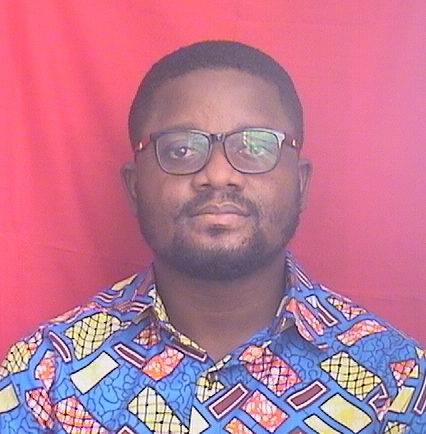
Department of Obstetrics & Gynaecology
My work focuses primarily on understanding the interplay between environmental complexity and human behavior through theoretical models, data-driven approaches, and longitudinal studies to assess how these factors influence each other over time.
Department of Forest Resources Technology
The researcher has a comprehensive research focus encompassing diverse areas of ecological and environmental science, with themes ranging from mining impacts on communities to biodiversity conservation. Their work integrates ecological processes across different terrains, aiming to address both environmental challenges and social issues through a scientific approach.
Department of Pathology
The researcher has made significant contributions to cancer research in Ghana, particularly focusing on global cancer incidence trends. Their work highlights advancements in understanding the prevalence of cancer among adults in Ghana through comparative studies across different cancer types, including breast and cervical cancers. The researcher employs a multidisciplinary approach, integrating histopathological findings with imaging techniques like MRI to gain insights into cancer characteristics and patterns. Their research underscores the importance of global screening strategies for early detection and management of cancer, particularly in African populations. By analyzing datasets from diverse sources, the researcher has identified specific case studies that offer cultural context and highlight the need for targeted public health interventions.