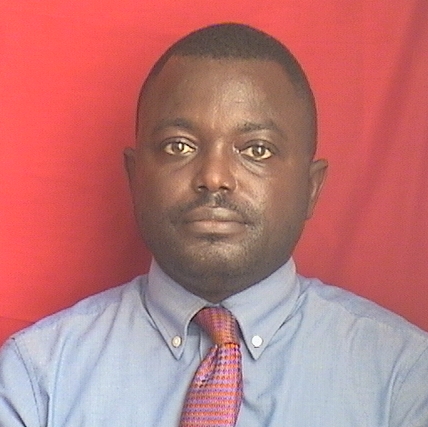
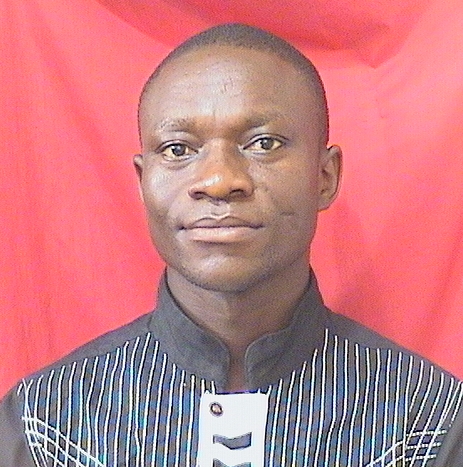
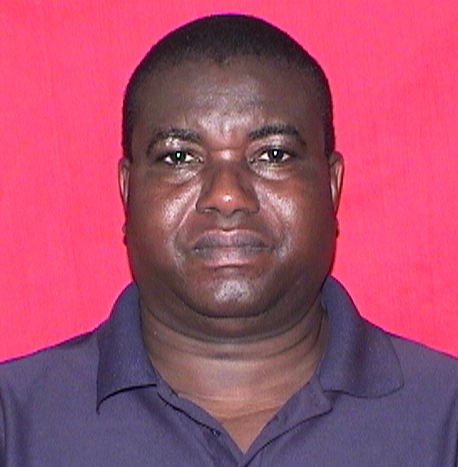
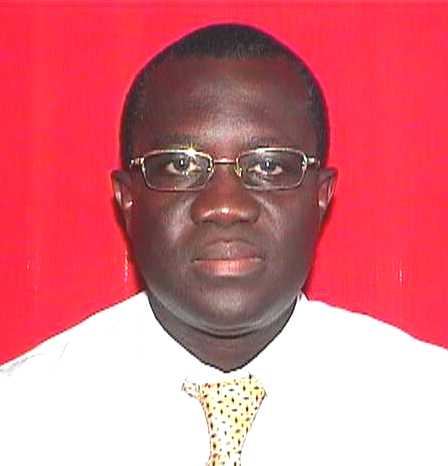
Search, discover, and connect with over 1,800 researchers, faculty members, and scholars across all departments of KNUST.
Department of Medicine
The researcher has made significant contributions to understanding health disparities, access issues, and intervention strategies in low- and middle-income countries. Their work spans diverse themes such as diabetes, stroke rehabilitation, poverty in health, immunology, drug economics, and public health outcomes. They synthesized data from over 30 studies focusing on Ghana, including prevalence, intervention effects, biomarkers, and the broader role of diabetes and cardiovascular diseases in both life and health sciences. Their research highlights systemic barriers to health care and the impact of diabetes-related conditions on health outcomes.
Department of English
This researcher has conducted extensive research across multiple domains within health sciences, focusing on parasitemia, nutrition, blood transfusion practices, infectious diseases, global maternal and child health, vaccination hesitancy, treatment outcomes for lymphoma, and the impact of heart failure and suicide. Their work integrates findings from diverse countries to provide insights into parasitemic complications in Ghanaian children, nutritional deficiencies associated with malnutrition, and innovative approaches to blood transfusion. The researcher has also examined the effects of infectious diseases like malaria and TB on child survival rates, highlighting the need for targeted interventions. Additionally, their research underscores the importance of vaccination hesitancy among healthcare providers, particularly in secondary care settings. Furthermore, they have contributed to the understanding of lymphoma treatment outcomes through a case study at a hospital, emphasizing the role of chemotherapy in improving patient quality of life. The researcher’s work also addresses global challenges such as maternal and child health disparities, including issues related to infectious diseases and mortality rates linked to complications like heart failure.
Department of Physics
The researcher has made significant contributions to the field of advanced materials science, particularly in the areas of 2D materials, conducting polymers, semiconductors, and alloys. Their work encompasses the electronic properties of MoS₂ monolayers, the study of polyaniline's conductivity through electrochemical polymerization, and the development of SiC-based nanomaterials for energy storage. Additionally, they investigate the mechanical and thermal properties of aluminum alloy microstructures, which have implications for aerospace and industrial applications. Through innovative computational methods and experimental techniques, their research advances our understanding of these materials' functionality across various domains.
Department of Public Law
The researcher's work focuses on applying mathematical modeling techniques to analyze complex systems across diverse disciplines such as biology, engineering, and physics. Their research emphasizes the development of models that predict system behavior through theoretical analysis combined with computational methods, aiming to enhance our understanding of intricate natural and engineered phenomena.
Department of Medical Diagnostics
The field of health sciences is deeply engaged in addressing various critical areas that impact societal well-being. A primary focus within this domain is health inequalities and interventions, where efforts are made to improve access and outcomes for marginalized communities. Highlighting themes such as Malaria Research, Sexual Function and Dysfunction Studies, HIV Research and Treatment, Hepatitis B Virus Studies, Diabetes, Cardiovascular Risks, Lipoproteins, Monoclonal and Polyclonal Antibodies Research, Pregnancy and Preeclampsia studies, and others, demonstrates a comprehensive approach to understanding and addressing diverse health challenges. These studies often involve innovative methodologies, such as reference intervals, biomarkers, and clinical laboratory practices, aimed at enhancing healthcare quality and outcomes. By integrating insights from infectious diseases, nutritional disorders, cardiovascular issues, and other areas, the research contributes toward creating more equitable healthcare systems that prioritize health and well-being for all individuals.
Department of Mechanical Engineering
This researcher integrates machine learning with deep learning across diverse domains like computer vision, natural language processing, and reinforcement learning to address complex real-world challenges. Their work uniquely contributes to optimization techniques for efficient model training while applying these technologies to data-driven decision-making in computational social science and public policy, aiming to significantly advance societal outcomes through innovative data-centric approaches.
Department of Environmental Science
The researcher's work focuses primarily on developing and optimizing adaptive optimization algorithms for training deep learning models, with a particular emphasis on improving computational efficiency while maintaining model accuracy. Their research addresses key challenges in the field, including parameter uncertainty and model interpretability, contributing to both theoretical advancements in machine learning and practical applications such as image classification and natural language processing. The researcher's work is driven by the need for efficient and reliable deep learning models that can be applied across various domains while being accessible to non-expert practitioners through open-source tools and reproducible research practices.
Department of Planning
The researcher's work integrates themes of urban development challenges, land use implications, and environmental health issues across various domains. The focus on urban agriculture and its effects on land use highlights how farming activities influence spatial planning and sustainable practices. Additionally, the integration of water management practices underscores their impact on health and well-being. Land use and ecosystem services delve into the role of green spaces in contributing to food security and ecological balance, while addressing issues related to rapid urbanization's impact on health. These areas collectively demonstrate how urban challenges and environmental management intersect across various domains, offering a comprehensive view of Ghanaian sustainability efforts.
Department of Surgery
The researcher has conducted extensive work across various domains, focusing on burn injury management, surgical capabilities, reconstruction techniques, and global health. They have explored topics ranging from palliative care strategies in burns to international surgical collaborations and the psychological aspects of grief. Their studies highlight areas such as patient care in resource-constrained settings, surgical outcomes in high-risk populations, and the intersections between burn care with broader clinical practices.
Department of Educational Innovations in Science & Technology
The researcher's work focuses on modeling dynamic systems across various disciplines, applying mathematical frameworks to understand phenomena from biology and medicine (e.g., blood flow) to climate science and ecosystems, with a common goal of predicting system behavior over time.

Department of Surgery
The researcher's work is centered on injuries and surgical interventions, particularly in conditions such as rabies, intestinal adhesions, prosthetics, hip and knee fractures, bone and joint issues, fruit-freeze agents for infections, and foot surgeries. Their research employs diverse methodologies, from case-based studies to systematic reviews and empirical studies, focusing on understanding how these conditions are managed and addressed. The findings highlight patterns in surgical outcomes, treatment efficacy, and challenges faced across various populations, contributing significantly to the fields of rehabilitation, surgery, and public health.

Department of Surgery
The researcher's work is centered in the field of Health Sciences, focusing on diverse areas such as burn injury management, testicular diseases, neurofibromatosis, and cleft lip and palate research. Their studies encompass themes like pedestrian burns, survival following perineal impalements, clinical management of alcohol intoxication cases, giant primary scrotal lipomas, and the role of neurofibromatosis in the umbilical region. Additionally, their research extends to the investigation of cleft lip and palate outcomes in rural settings across multiple studies. This comprehensive approach reflects a holistic understanding of these specialized areas within Health Sciences.