Beta Testing
KNUST Research Atlas is currently in active Beta. Report bugs or suggest features to help us improve!
KNUST Research Atlas is currently in active Beta. Report bugs or suggest features to help us improve!
KNUST Research Atlas is currently in active Beta. Report bugs or suggest features to help us improve!
Search, discover, and connect with over 1,800 researchers, faculty members, and scholars across all departments of KNUST.
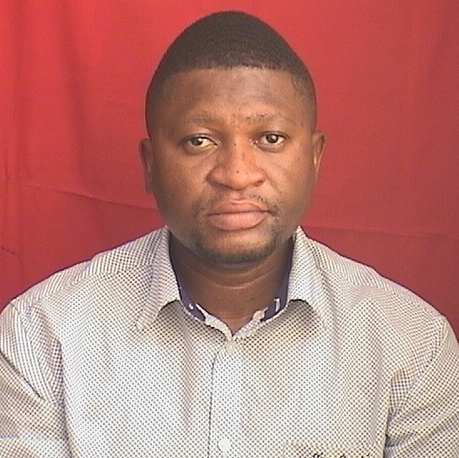
Department of Environmental Science
The researcher's work is centered on understanding the multifaceted impacts of climate change on agricultural productivity within agroecological zones in Ghana. Their research extends to examining how smallholder farmers adapt to climate variability through innovative and sustainable practices. Additionally, they focus on enhancing road safety, a critical public concern that intersects with economic growth and community resilience. The researcher's work aims to inform strategies for fostering long-term resilience and sustainable development in rural areas under the influence of climate change.

Department of Environmental Science
The researcher focuses on developing scalable algorithms for big data analytics while studying the structural properties of complex networks.
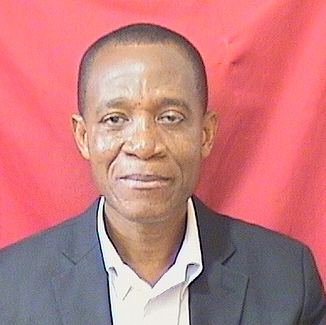
Department of Environmental Science
The researcher's work is centered on the application of innovative technologies to address challenges in agriculture, environmental science, public health, and social sciences. They employ materials such as P-32 powdered activated carbon and advanced nanocomposites to enhance agricultural productivity, improve food packaging efficiency, reduce water pollution, promote healthcare outcomes, and foster eco-friendly practices across diverse communities. Their research focuses on practical applications of these technologies to solve environmental and social issues, aiming to drive sustainable solutions that benefit numerous stakeholders.

Department of Environmental Science
The researcher's work integrates multiple approaches to advancing environmental education and sustainable practices across various domains. They utilize the theory of planned behavior to explore farmer behaviors in rural Ghana, examine climate resilience through crop residue utilization, study agricultural adoption impacts on resource management, apply DEA models to assess agriculture's environmental efficiency, and focus on financial inclusion in resource-limited contexts. Their overarching research aims to develop a comprehensive framework that combines environmental education with sustainable practices, particularly addressing challenges in rural Africa.
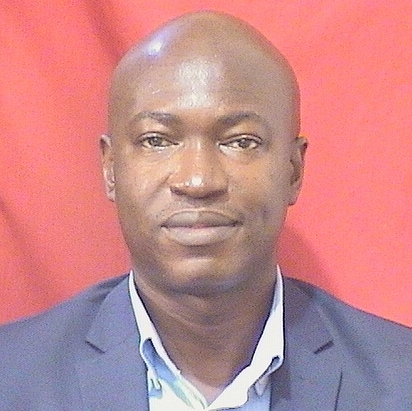
Department of Environmental Science
The researcher delves deeply into public health and environmental impact assessment across diverse domains, encompassing mosquito-borne diseases, toxic pollutants, water quality, and land-use strategies within Ghana.
Department of Environmental Science
The researcher's overall research focus centers on examining the interconnected relationships between human activities, natural systems, and societal impacts in Northern Ghana. Using various domains such as land use, urban expansion, child nutrition, energy practices, and agricultural innovations, the study explores how these elements influence each other across different life stages—e.g., land conversion affecting ecosystems, urbanization impacting livelihoods, water scarcity influencing nutrition, environmental effects from wood producers, and adaptive agriculture responding to changes. The overarching goal is to understand how these interconnected systems shape the region's economies and improve quality of life through informed decision-making and innovation.
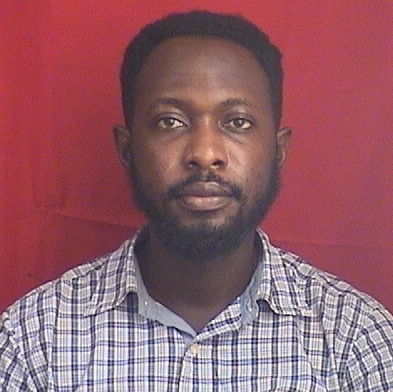
Department of Environmental Science
The researcher has made significant contributions across various themes in physical sciences, focusing on advancements in water and sanitation technologies. Key areas include innovations in treating natural organic matter, application of nanomaterials for environmental remediation, development of chemical sensors for trace metal monitoring, and integration of advanced systems like fire detection and solid waste management. Their work also extends to improving water quality assessment and recovery processes, with notable contributions to COVID-19 impact studies on air quality.
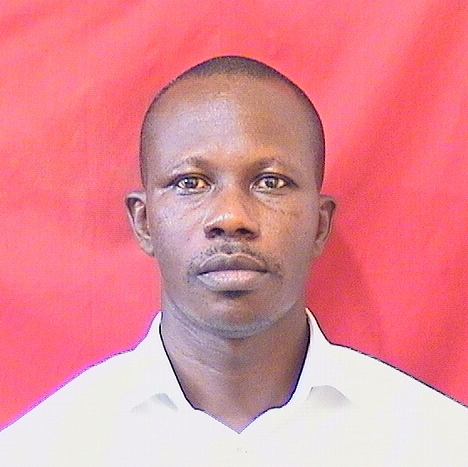
Department of Environmental Science
The researcher investigates a diverse range of themes across social sciences and physical sciences, including sustainable waste management, pharmaceutical residue analysis, biofuel production, and environmental impact assessments. Their work encompasses themes such as Ghana-specific waste strategies, pharmacological risk assessment in hospital effluents, agricultural waste collection efficiency, composting techniques for agroecosystems, recycling processes, compostable concrete materials, biodegradable polymers, and the interplay between physical and chemical factors influencing health risks. These investigations collectively explore the integration of innovative research approaches to address global challenges in environmental sustainability and public health in Ghana.
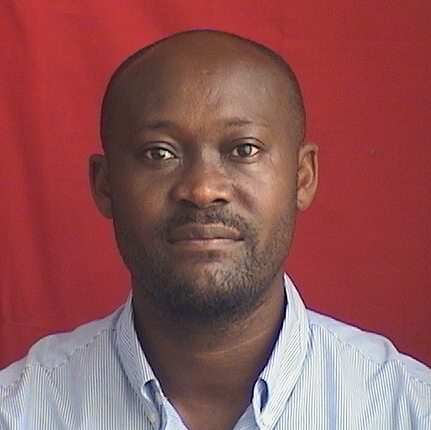
Department of Environmental Science
The researcher's work focuses on comprehensive environmental impact assessments across various scales, including heavy metals contamination, wastewater treatment technologies, air quality monitoring, and their health implications, reflecting a broad exploration of environmental sciences.

Department of Environmental Science
The researcher investigates the environmental impact of heavy metals on water quality, evaluates waste management techniques, and assesses water resources for pollution. Their work spans themes related to heavy metals in the environment, recycling and waste management techniques, and water quality and pollution assessment across different geographical and contextual settings.

Department of Environmental Science
The researcher integrates innovative technologies across multiple domains to advance sustainability efforts, focusing on integrating sustainable supply chain management practices, microplastic mitigation strategies, composting principles, wastewater treatment innovations, soil health research, and toxicological assessments. Their work bridges physical sciences with broader societal issues, addressing environmental, social, and economic challenges through biodegradable solutions, eco-friendly practices, and innovative bioremediation techniques.

Department of Environmental Science
The researcher's work focuses on understanding atmospheric processes and their impact across Earth systems and human activities, particularly in climate change. Their research extends to soil chemistry and quantum mechanics, revealing insights into complex interactions within the environment. The study emphasizes the broader environmental implications beyond immediate impacts, suggesting potential future developments in climate science.