Beta Testing
KNUST Research Atlas is currently in active Beta. Report bugs or suggest features to help us improve!
KNUST Research Atlas is currently in active Beta. Report bugs or suggest features to help us improve!
KNUST Research Atlas is currently in active Beta. Report bugs or suggest features to help us improve!
Search, discover, and connect with over 1,800 researchers, faculty members, and scholars across all departments of KNUST.
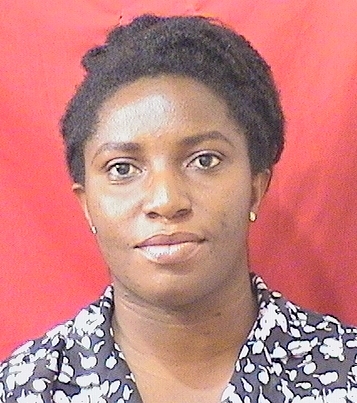
Department of Planning
The researcher focuses on examining the interplay between socio-economic systems, environmental factors, and governance mechanisms in developing regions such as Ghana. Their work spans areas like sustainability practices, educational opportunities, energy transitions, climate impacts, land use, and social movements, aiming to understand how individual and collective actions shape socio-economic outcomes in these contexts.
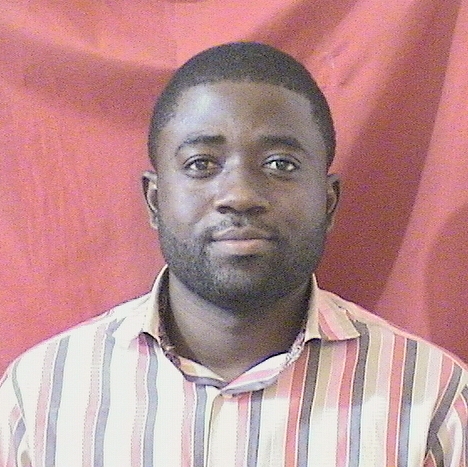
Department of Planning
The researcher's work focuses on a comprehensive exploration of social, economic, and infrastructural challenges within peri-urbanism, housing accessibility, home ownership trends, and displacement dynamics. Their studies examine issues such as caretaker roles in housing改善、城市化进程与住房改善之间的关系、性别角色在社会支持体系中的作用、 flooding加剧及其应对策略、农村土地改革的现实意义、 radiation effects on health、社区生态系统的功能、城乡发展模式对民众生活的影响以及气候变化带来的环境挑战。

Department of Planning
The researcher's work focuses on examining the profound impact of climate change across various modern life domains, including agriculture, environment, urban planning, buildings, and disaster management. Their research emphasizes understanding how climate change influences individual issues such as adapting small-scale farmers in Ghana, promoting resilience among rural women through technology and media, enhancing urban greenery, developing sustainable building practices, and mitigating disaster risks. The aim is to inform policies and strategies for promoting sustainable development across these interconnected sectors.
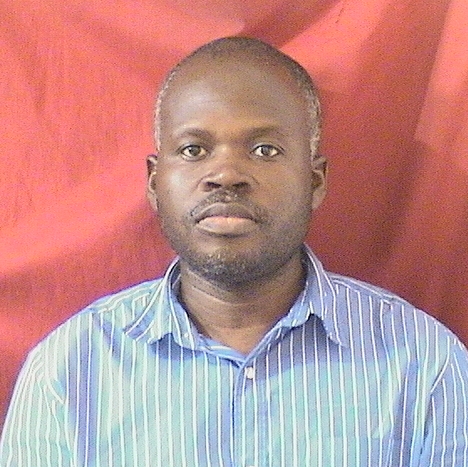
Department of Planning
The researcher's work is centered on examining the interplay between urbanization, health issues, disaster management, resource allocation, and sustainability in low-income and lower-middle-income contexts. This comprehensive study integrates themes from urban development challenges, child nutrition and water access, disaster management, municipal solid waste management, tourism and volunteerism, environmental education, innovation, urban green spaces, and consumer retail behavior. By employing quantitative methods such as fecal contamination assessment and spatial analysis of urban environments, the researcher explores how these interconnected factors influence social equity and environmental sustainability. The goal is to provide a holistic understanding of sustainable practices across multiple dimensions, aiming to inform policy and improve quality of life in developing regions.

Department of Planning
Urban Agriculture and Sustainability: A Research Comprehensive Overview by Researchers Focused on Urban Systems and Challenges This research encompasses a multifaceted exploration of urban agriculture and its role in sustainable development, particularly in rural Ghana. The study examines how urban agriculture contributes to land use planning and food production practices, highlighting the importance of sustainable practices for food security and economic growth. It also delves into themes of urbanization's impact on peri-urban areas, including land degradation and environmental challenges. The research emphasizes the need for adaptive strategies in addressing urban development challenges, particularly in rapidly growing cities. This includes fostering sustainable livelihoods, improving water management, and prioritizing public services to ensure equitable access to essential resources. Additionally, the study explores the role of smart technologies and infrastructure in supporting urban populations, advocating for integrated approaches to mitigate challenges such as flood risk reduction and disaster response. Urban Agribusiness and Farming are central to these investigations, offering insights into sustainable agricultural practices that align with global goals. The research examines how informal sector activities can support informal sectors while providing critical opportunities for microfinance and entrepreneurship. It also explores the societal impacts of urban farming on traditional communities, emphasizing the need for inclusive policies to sustain agricultural productivity in rural settings. The study underscores the importance of improving food security through access to adequate infrastructure and resources, particularly in regions with limited development capacity. It highlights the role of policymakers in fostering equitable access to essential services, ensuring that all populations have fair opportunities to improve their livelihoods. Overall, this research provides a comprehensive framework for understanding urban agriculture's role in sustainable development, while addressing challenges related to urbanization, environmental degradation, and economic inequality. By synthesizing findings across multiple domains, the study offers actionable recommendations for policymakers and stakeholders aiming to promote equitable and resilient cities.
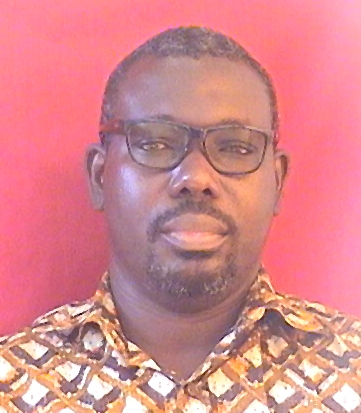
Department of Planning
The researcher's research is centered on addressing urban development challenges across various domains within African contexts. This includes examining peri-urban and African landscapes through GIS analysis, regression studies, and social sciences insights. The work delves into labor dynamics, migration patterns, transportation accessibility, and urbanization trends, employing methodologies such as smart mobility systems, public-private partnerships, sustainable land use, and health-focused approaches. The overarching focus is on understanding and mitigating challenges forGHANA's cities, integrating diverse perspectives from urban development, technology, social sciences, and environmental health to promote sustainable planning and inclusive growth.

Department of Planning
The researcher has made significant contributions across multiple domains, focusing on themes such as urban development and disaster management, flood risk assessment, transport safety, environmental adaptation, and gender roles. Their work emphasizes the interconnected nature of these areas within social and physical sciences, highlighting key challenges and innovative approaches to addressing them.
Department of Planning
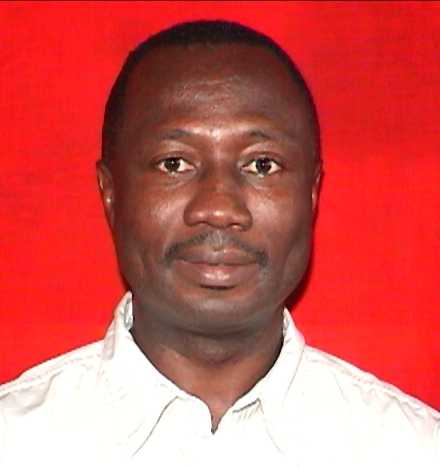
The researcher has conducted extensive work integrating multiple dimensions of social, economic, and environmental challenges in Ghana's urban and rural contexts, with a focus on how these issues intersect and influence each other. Their work spans themes such as urban development challenges, environmental management (including agricultural resilience), community engagement, ethics, governance, education, and gender roles. The researcher explores the integration across multiple themes within a global context, examining how urban planning, land use changes, informal settlements, and social justice intersect with ecological and environmental issues in Ghana. Their research highlights systemic inequalities, participatory approaches to public policy-making, and the role of local governance in addressing challenges rooted in community needs. The researcher also delves into the ethical dimensions of initiatives that promote environmental sustainability, education, and community resilience, ultimately aiming to understand the broader societal implications of these efforts within Ghana's unique context.
Department of Planning
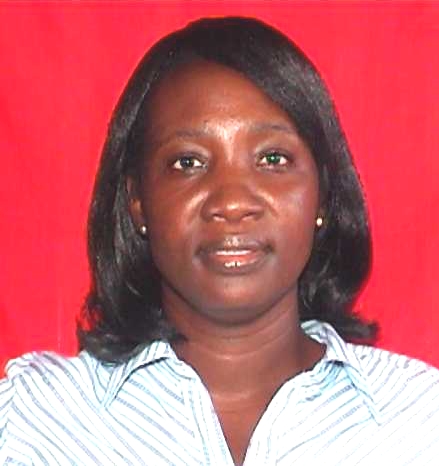
The researcher's work spans a broad range of health and related fields, with a strong focus on improving access to health information and understanding how these factors influence public health outcomes. Their research is particularly notable for examining social determinants of health across diverse contexts, including education, poverty, environmental impact, and the role of technology in healthcare delivery. The researcher's work highlights the importance of community engagement and the need for inclusive approaches to address health disparities.
Department of Planning
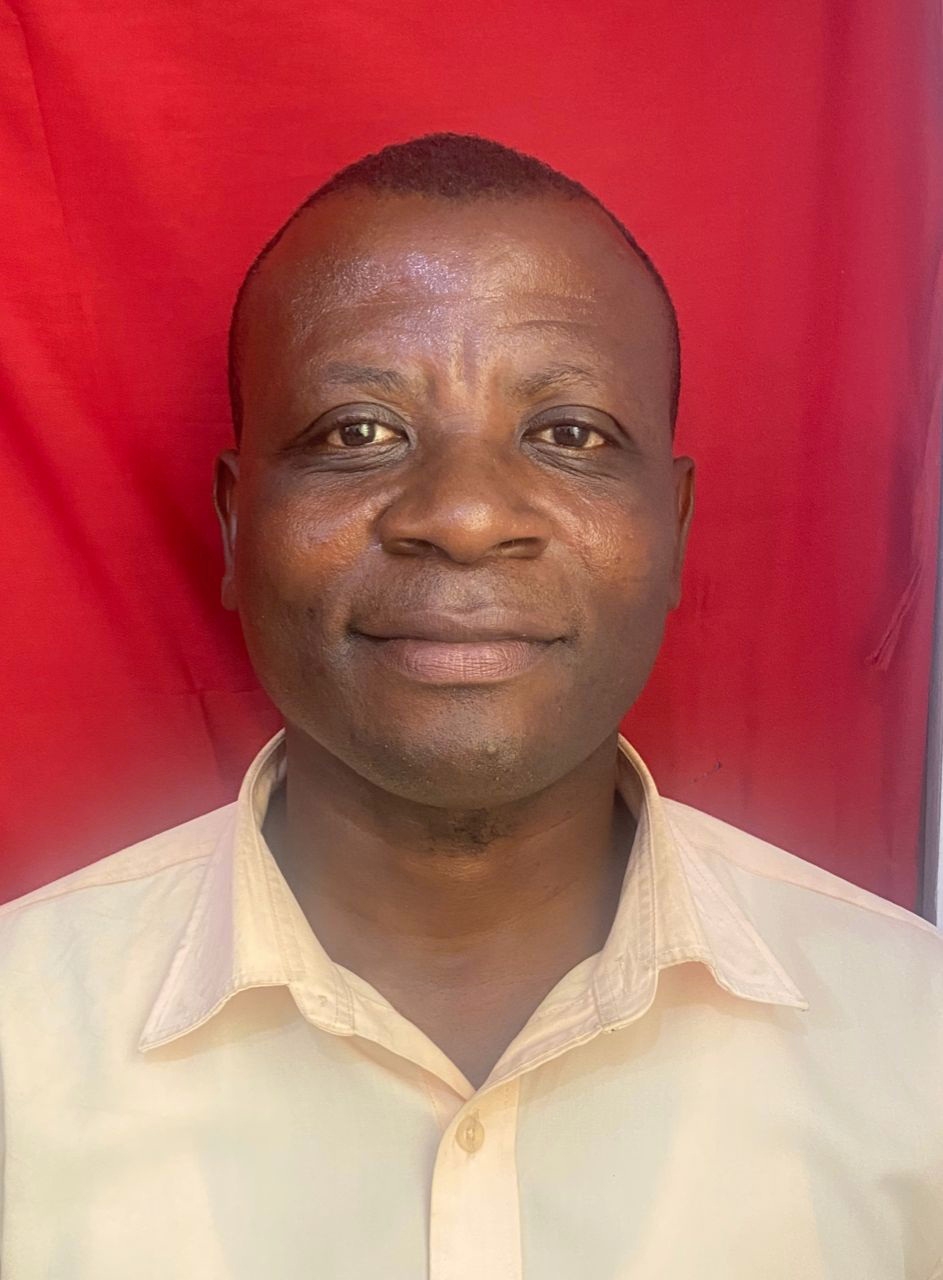
The researcher investigates how network structures influence both individual and collective behaviors within social systems, examining the dynamic interplay between network topology and environmental factors.
Department of Planning
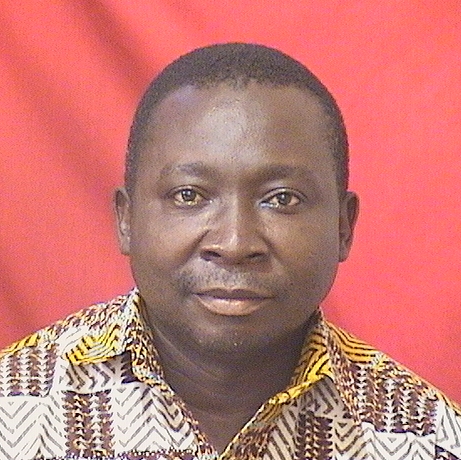
The researcher’s work focuses on several critical areas of urban development challenges in Ghana, including sustainable building design and assessment (papers on green cities), construction project management and performance (evaluating energy infrastructure projects), urban transport and accessibility (analyzing mobility impairments and built environment issues), public-private partnership projects (examining risks in urban wetlands ecosystems), sustainable finance and green bonds (investigating socio-political factors influencing green bond adoption), and urban and rural development challenges (focusing on financing mechanisms for urban slums). This integrated approach aims to explore the interplay between physical environments, economic policies, community needs, and social structures in developing regions.

Department of Planning
The researcher investigates microplastics and their effects on plastic pollution. They explore urbanization challenges in Ghana, linking these with environmental issues such as coal dust exposure. Taxation impacts and economic systems influence social services like health. Urban transport innovations enhance accessibility, while gender dynamics impact socio-spatial dynamics. The role of market women in informal economies highlights equitable opportunities. The paper integrates theory into policy-making, revealing the multifaceted interplay of factors shaping urban development across microplastics, coal dust exposure, taxation, public transport, gender dynamics, and urban infrastructure.