Beta Testing
KNUST Research Atlas is currently in active Beta. Report bugs or suggest features to help us improve!
KNUST Research Atlas is currently in active Beta. Report bugs or suggest features to help us improve!
KNUST Research Atlas is currently in active Beta. Report bugs or suggest features to help us improve!
Search, discover, and connect with over 1,800 researchers, faculty members, and scholars across all departments of KNUST.

Department of Publishing Studies
The researcher's work focuses on the systematic synthesis and detailed structural elucidation of sulfonate-containing organic compounds, including fungal alkaloids, phenothiazines, and benzothiazines. This approach involves analyzing crystal structures across diverse substrates such as N-p-tolylsulphonylbenzylamine, 1-methyl-3-p-tolylsulphonylaminoindole, 1-methyl-3-p-tolylsulphonyliminoindoline-2-spirocyclopentane, and 1,2,3,4-tetrahydro-1,2,4-trimethyl-4-p-tolylsulphonylamino-3-p-tolylsulphonyliminoquinoline. Additionally, the researcher investigates SULPHONE structures in the context of phenothiazines and benzothiazines, including their structural elucidation through crystallographic methods. Furthermore, the research delves into the interaction between SULPHONIC functional groups and synthetic organic compounds, particularly examining their role in alkaloid synthesis and chemical activities.

Department of Anatomy
The researcher has conducted extensive studies at the intersection of forensic anthropology, orthopedic surgery, and periodontics, applying statistical methods and biological techniques to understand human physical structures. Their work combines forensic anthropological analysis with orthopedic rehabilitation research, focusing on bone-related phenomena such as stature prediction, homologous vs non-homologous bone relationships, and wound healing mechanisms using advanced materials like platelet-rich fibrin matrices. This multidisciplinary approach aims to enhance our understanding of human anatomy and its applications in forensic investigations, medical rehabilitation, and periodontics.

Department of Industrial Art
The researcher's work explores the application of technology across diverse domains such as sustainable fashion, industrial processes, cultural products, quality management systems, and social issues like poverty. Their publications highlight how technological innovations are being integrated into sectors like textile industries, metal forming simulations, fashion design, quality management practices, and educational tools, aiming to address challenges in sustainability, efficiency, cultural relevance, and child welfare.

Department of Medical Diagnostics
The researcher's work focuses on investigating how genetic variation and enzyme metabolism influence the pharmacokinetics of antiviral drugs and their efficacy in controlling drug resistance mechanisms, particularly in children with tuberculosis.
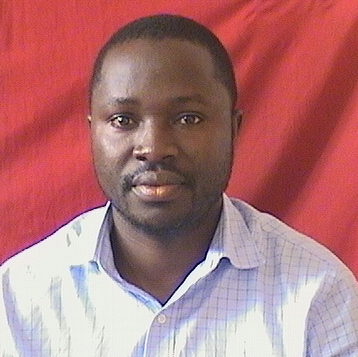
Department of Civil Engineering
The researcher's work integrates innovative greywater management techniques, advanced biosorption methods in environmental science, and biofuel production for sustainable development, addressing themes of resource management, pollution reduction, and social impact, particularly focusing on Ghana's challenges in mining, water access, and sustainability.
Department of Publishing Studies
The researcher focuses on advancing computational methods for analyzing complex biological systems, particularly in the context of medical imaging and cognitive science. Their work integrates machine learning with neuroscience to develop comprehensive models that elucidate brain function, address challenges in data complexity, and improve healthcare outcomes through enhanced data analysis and computational techniques.

Department of Indigenous Art and Technology
Their research spans innovative materials for everyday objects to advanced technologies aiming to address global challenges, integrating sustainability into traditional crafts and materials science using cutting-edge solutions for social issues such as pandemic response and urban design.

Department of History & Political Studies
The researcher explores both theoretical frameworks in quantum mechanics and applied research in quantum computing, aiming to bridge the gap between theory and practice.

Department of Economics
The researcher has focused on several key areas within healthcare and health economics, exploring equity and quality in healthcare services across diverse domains such as vaccine coverage, maternal and child health care, and patient satisfaction. Their work particularly emphasizes the impact of public and external financial expenditure on healthcare costs. They examined the institutional factors influencing healthcare spending in Ghana, including capitation payment systems and user fees, as well as the gendered distribution of work roles and household responsibilities in both individual and broader contexts.
Department of Medicine
The researcher's work focuses on three interconnected areas within health sciences: antimicrobial resistance in Staphylococcus (critical care), trauma-related injuries (emergencies), and blood disorders (like sickle cell). Their findings integrate insights from these themes, demonstrating the interplay between advancements in one area influencing others.
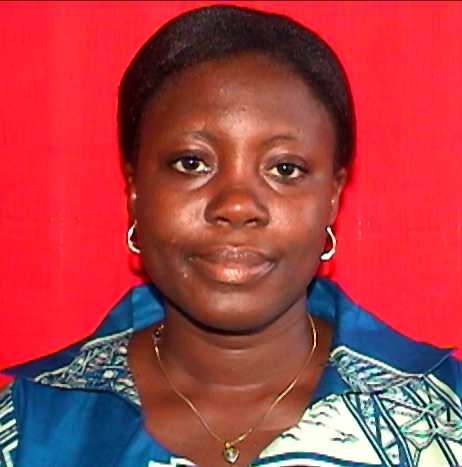
Department of Mechanical Engineering
The researcher focuses on advancing sustainable renewable energy solutions, particularly leveraging materials from the coconut industry for biofuels. Their work integrates co-growth processes (such as rice husk and palm kernel shells) into biofuel production through biomass conversion technologies. This interdisciplinary approach emphasizes the application of eco-friendly materials in both agricultural and transportation sectors, contributing to sustainable development in renewable energy systems.

Department of Land Economy
The researcher's work focuses on integrating education theory with scientific fields, particularly animal and plant science, to examine how citizens learn about ecosystems through community engagement. Their longitudinal study in Germany revealed how cultural beliefs and societal values influence attitudes towards biodiversity issues, while their broader research underscores the need for educational approaches that foster sustainable practices by connecting theoretical insights with practical applications across disciplines.