Beta Testing
KNUST Research Atlas is currently in active Beta. Report bugs or suggest features to help us improve!
KNUST Research Atlas is currently in active Beta. Report bugs or suggest features to help us improve!
KNUST Research Atlas is currently in active Beta. Report bugs or suggest features to help us improve!
Search, discover, and connect with over 1,800 researchers, faculty members, and scholars across all departments of KNUST.

Department of Anatomy
The researcher has a strong foundation in foregin genetics, utilizing population genetic data derived from STR loci and GlobalFiler PCR amplification for the Saudi Arabian population. Their work extends into bioarchaeology with studies on haplotype analysis of populations in Ghana, employing Yfiler Plus and TaqMan SNP genotyping. Additionally, they explore orthopedic surgery using percutaneous bone assessment techniques to evaluate relationships between homologous and non-homologous bones among Ghanaian tertiary students. Their research integrates genetic data across diverse fields, showcasing a versatile approach to understanding human populations and health conditions.

Department of Anatomy
This researcher's work integrates ecological, social, and physical sciences to address global challenges, particularly in flood risk management, traffic safety, radioactive contamination prevention, climate change communication, and agricultural innovations. By synthesizing findings across diverse publications, the researcher develops a comprehensive approach that bridges domain-specific knowledge with interrelated scientific principles. This interdisciplinary methodology provides actionable insights for sustainable practices and policy-making, enhancing quality of life through informed decision-making based on rigorous research outcomes.

Department of Anatomy
The researcher's work emphasizes a community-focused approach to public health in Ghana, with a focus on mental health access, rural maternal and child health services, sexual differentiation, and specific medical procedures such as surgeries and imaging. Their research addresses global public health challenges but is contextualized within local health systems, particularly in addressing mental health issues through mental health treatment, maternal health interventions, and systemic poverty mitigation strategies. The researcher's work also highlights the importance of understanding and addressing specific parasitic infections, surgical complications, and resource constraints, reflecting a nuanced approach to global health that is deeply rooted in local contexts.
Department of Anatomy
The researcher has made significant contributions across multiple research areas, including advancements in machine learning applications for addressing challenges in climate change through sophisticated algorithms and computational methods. They have also developed innovative solutions to complex fluid dynamics problems using cutting-edge simulation techniques. Additionally, their work in public health policy modeling has bridged the gap between scientific disciplines and practical decision-making processes.
Department of Anatomy
The researcher's work centers on developing computational models to understand complex biological systems by integrating computational modeling, data analysis, and multi-modal neuroimaging techniques. Their approach aims to advance our understanding of neural processes and their role in cognitive function through systematic theoretical frameworks, enabling predictions about brain dynamics and behaviors. This research seeks to contribute both fundamental insights into brain mechanisms and practical advancements in neurotechnologies.
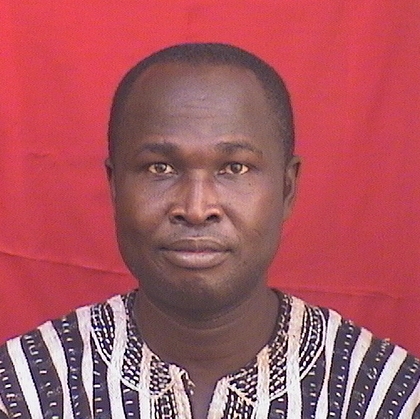
Department of Anatomy
The researcher's work spans multiple areas within health sciences, focusing on diverse dimensions of human health and physical development. Their studies cover themes such as pregnancy and preeclampsia, sexual differentiation, malaria research, forensic anthropology, ergonomics, iron metabolism, hemispheric asymmetry, liver disease diagnosis, and periodontal regeneration. Each study contributes to understanding various subfields within health sciences, from maternal complications and fetal development to neurological and metabolic disorders. The researcher's work emphasizes the interplay of physical health with broader biological and human aspects, highlighting how advancements in understanding these areas can improve care and address complex health issues across different contexts.
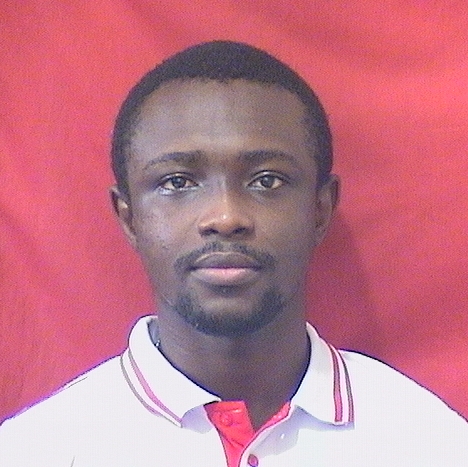
Department of Anatomy
The researcher's work integrates studies in airway, bone, and periodontal studies, focusing on how these structures contribute to health issues. Using non-invasive methods like imaging for airways, anthropometry for bones, and matrix research for periodontals, the researcher applies similar methodologies across diverse fields to better understand human conditions related to asthma, osteoporosis, and independence.

Department of Anatomy
The researcher conducts a comprehensive study examining human development across various themes, including skin protection and aging, gender roles and feminist perspectives, social justice through forensic anthropology, and health disparities in communities like Ghana.
Department of Anatomy
The researcher investigates the interplay between [specific themes] in complex systems using a combination of empirical data analysis and theoretical modeling, aiming to uncover fundamental principles underlying intricate phenomena across diverse disciplines.
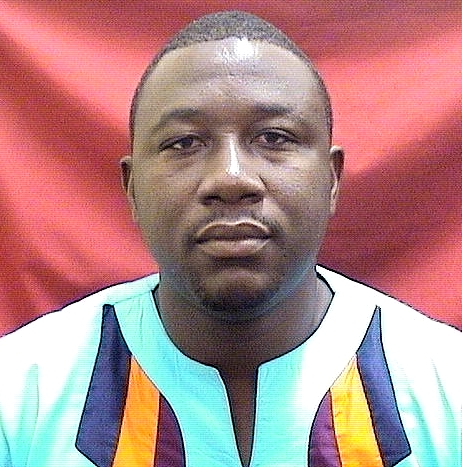
Department of Anatomy
The researcher's primary focus is centered around human attributes and body measurements, employing a variety of methodologies such as anthropometry, genetic studies (e.g., Ginger extract), surgical approaches, and medical treatments in different domains.