Beta Testing
KNUST Research Atlas is currently in active Beta. Report bugs or suggest features to help us improve!
KNUST Research Atlas is currently in active Beta. Report bugs or suggest features to help us improve!
KNUST Research Atlas is currently in active Beta. Report bugs or suggest features to help us improve!
Search, discover, and connect with over 1,800 researchers, faculty members, and scholars across all departments of KNUST.
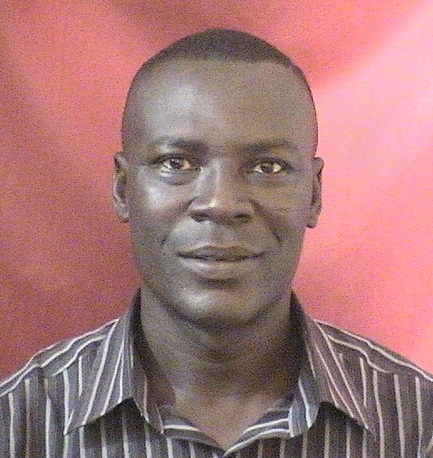
Department of Physiology
The researcher has a multifaceted research agenda that encompasses three primary themes: advancements in metal recycling processes, optimization of mineral processing operations, and insights into corporate business strategies through an interdisciplinary approach.
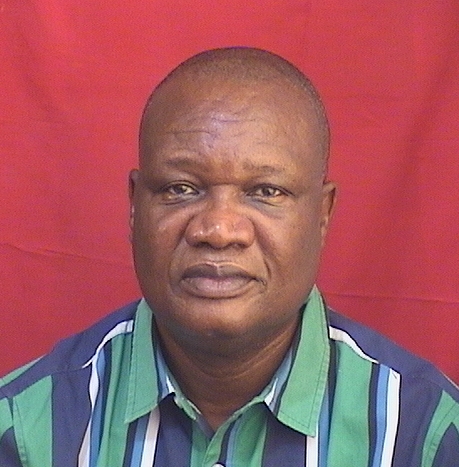
Department of Physiology
The researcher has conducted extensive work focusing on energy expenditure, metabolic health, reproductive biology, genetics, and environmental effects on health outcomes across diverse populations. Key findings include increased daily energy expenditure linked to obesity development in later life, with diet and activity levels significantly influencing metabolic profiles during early adulthood. Sleep length was found to affect sperm production rates, while genetic elements such as the tumor suppressor protein p53 are implicated in disease progression associated with various health conditions. Environmental factors have also been shown to impact metabolic risks across multiple populations, highlighting their critical role in public health interventions and research.

Department of Physiology
The researcher's work focuses on examining the impact of various pathogens, environmental exposures, and plant-derived compounds on human health across diverse contexts. This includes studying viral infections affecting pregnant women in specific populations, cardiovascular and metabolic risks in a hospital setting, malarial biomarkers from environmental sources, reproductive stains from ethanolic root extracts, respiratory management based on altitude, moringa's effects on fertility and hormones, HPV pathways in breast cancer research, menthol's role in rabbit health, and the influence of plant-derived compounds on rabbit metabolism.
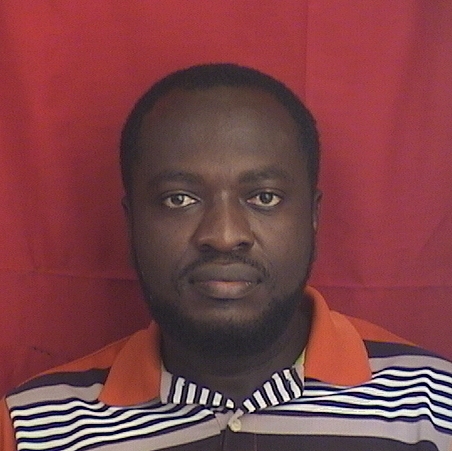
Department of Physiology
The researcher's work is centered on integrating biological biomarkers across various domains to develop effective strategies for cancer immunotherapy, health disparities, and chronic disease management. Their research spans multiple fields, including immunology, neuroscience, pharmacology, and public health, with a focus on understanding the role of biological markers in disease diagnosis, treatment, and prevention. Key themes include: 1. **Cancer Immunotherapy and Biomarkers**: Development of models like the immune score to predict prognosis using biomarkers. 2. **Biology and Health Disparities**: Investigating interactions between chronic diseases (e.g., hypertension) and factors affecting brain development. 3. **Neurogenesis and Ageing**: Exploring the role of neural connections in cognitive decline, supported by neurovascular insights. 4. **Global Health Policies and Public Health**: Considering interventions like task-shifting strategies to reduce hypertension. 5. **Autophagy and Pancreatic Cancer**: Addressing both promising benefits and potential controversies regarding autophagy's role in cancer. 6. **Neuroscience and Sleep Disorders**: Linking sleep patterns with brain health, influencing long-term cognitive outcomes. The researcher employs a holistic approach, using biomarkers as tools to enhance understanding and improve treatment options across these interconnected fields, aiming to contribute significantly to global health solutions.
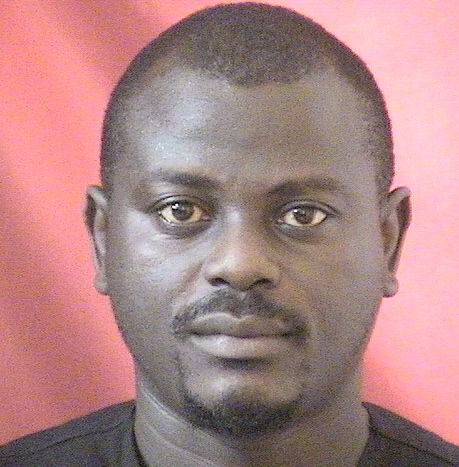
Department of Physiology
This researcher has focused on developing computational modeling techniques for biomedical image analysis, with a particular emphasis on integrating advanced numerical methods and machine learning to improve understanding of complex biological systems. Their work spans areas such as medical imaging, where they employ image segmentation algorithms and deep learning frameworks to analyze structural abnormalities in soft tissue and organs. Additionally, their research explores the application of applied mathematics in solving inverse problems within biological tissues, particularly relevant for cancer treatment and disease diagnosis. This interdisciplinary approach continues to bridge theoretical advancements with practical clinical applications across diverse fields.
Department of Physiology
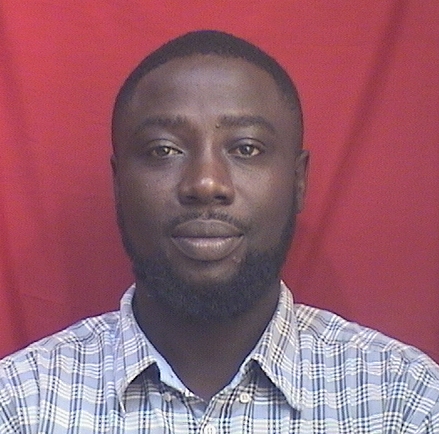
The researcher's work is centered on the multifaceted aspect of human health, encompassing physical activity, mental well-being (via sleep), and weight management. Their focus extends across diverse domains such as social sciences, health sciences, and physical sciences, aiming to explore how these areas collectively influence societal health transitions during the pandemic and obesity outcomes among African-origin populations.
Department of Physiology
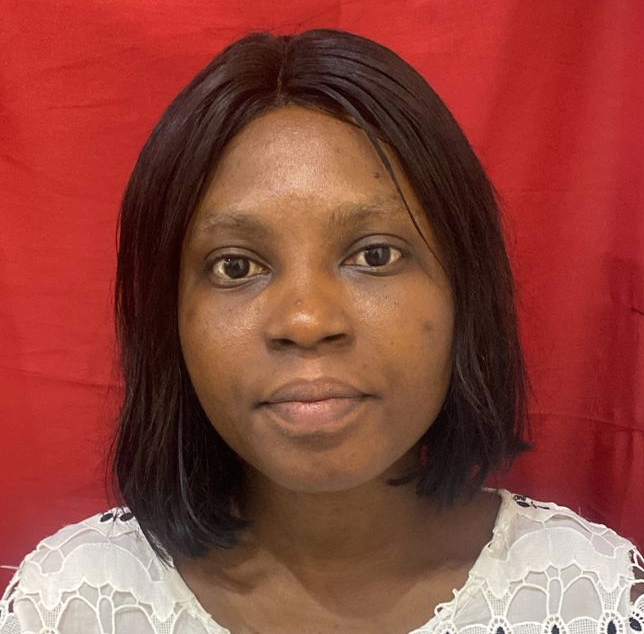
The researcher focuses on identifying common risk factors for cardiovascular and metabolic health across diverse populations using lipid and blood component assessments.
Department of Physiology
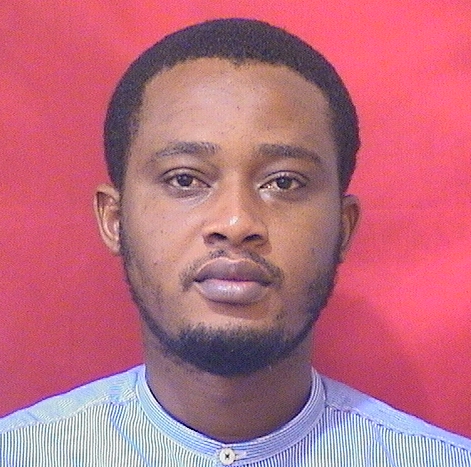
The researcher's work focuses on the interplay between gut microbiota, physical activity, and obesity across diverse populations, with a particular emphasis on how these factors influence fat metabolism and weight management dynamics. Their studies explore cause-and-effect relationships in gut health, examine the utility of physical activity assessments in African populations, and investigate the long-term effects of weight gain following moderate exercise among African adults during the epidemiological transition period.

Department of Physiology
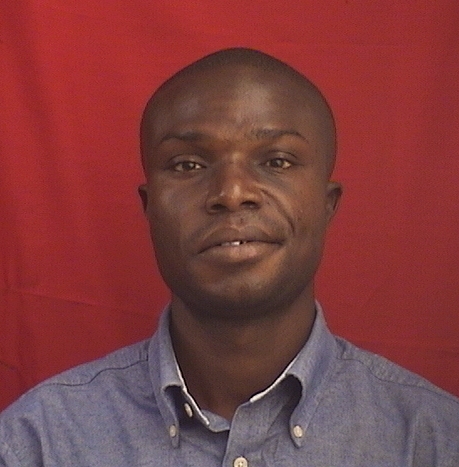
The researcher's primary focus is on blood pressure and hypertension studies in health sciences, with a particular emphasis on lifestyle modification adherence among hypertensive clients.
Department of Physiology
The researcher's work focuses on Pregnancy and preeclampsia studies within the domain of Health Sciences, particularly examining hypertension in pregnancy from Komfo Anokye Teaching Hospital.
Department of Physiology
This researcher focuses on developing and validating biomarkers to predict outcomes and guide treatment decisions in prostate cancer, particularly examining ratios such as Prostate-Specific Antigen (PSA) concentration relative to other markers like C-reactive Protein and hemoglobin. Their work contributes to advancing the diagnosis and management of prostate cancer by leveraging these novel biomarkers to improve predictive accuracy and patient care.