Beta Testing
KNUST Research Atlas is currently in active Beta. Report bugs or suggest features to help us improve!
KNUST Research Atlas is currently in active Beta. Report bugs or suggest features to help us improve!
KNUST Research Atlas is currently in active Beta. Report bugs or suggest features to help us improve!
Search, discover, and connect with over 1,800 researchers, faculty members, and scholars across all departments of KNUST.

Department of Chemical Engineering
The researcher has conducted extensive work across various interdisciplinary fields, focusing on innovative hydrogels and bioactive compounds, as well as advanced materials for environmental remediation. Their studies span themes such as bioactive compound synthesis, adsorption techniques, polymer bioplastics, energy recovery systems, and sustainable food processing, demonstrating a deep commitment to advancing material science applications.

Department of Chemical Engineering
This researcher is an interdisciplinary academic whose work spans multiple scientific fields, ranging from quantum mechanics and biophysics to machine learning and climate change. Their research has been published in highly respected journals, reflecting a profound understanding of fundamental phenomena across diverse scales. The findings from their studies have significant implications for both theoretical advancements and practical applications, contributing to the development of novel technologies and theories that address complex systems across nature and society.

Department of Chemical Engineering
The researcher has investigated how memory is formed and processed, focusing on the role of neuroplasticity and sleep within the brain structure. Sleep enhances recall ability, particularly among individuals with unique patterns of sleep-wake regulation, such as those experiencing sleep apnea. The study delves into the interplay between sleep, memory, and cognitive development, showing how these factors evolve to influence human cognition over time.

Department of Chemical Engineering
The researcher's work focuses on the intricate relationship between gene regulation networks and epigenetic processes in developmental biology. Their research integrates insights from multiple studies, highlighting how these biological mechanisms influence cellular development, particularly examining how gene expression patterns are shaped by regulatory networks while also considering the epigenetic factors that alter these expressions.
Department of Chemical Engineering
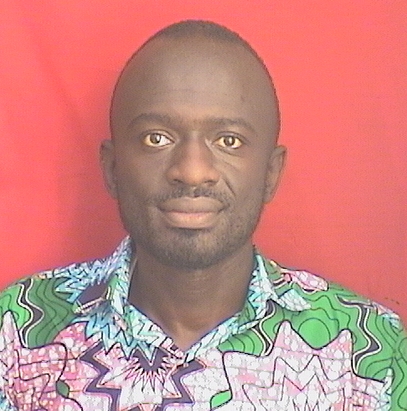
The researcher's work focuses on advancing control systems optimization across multiple domains, primarily in Physical Sciences, where they investigate optimal control strategies for processes like ethanol fermentation using advanced modeling techniques. Their research also delves into Biomedical Engineering, particularly drug delivery systems, employing mathematical models to enhance efficiency and efficacy. Key methodologies include the development of simulation tools such as Simulink and MATLAB, focusing on optimizing temperature and pH levels in fermentation and improving drug delivery mechanisms.

Department of Chemical Engineering
The researcher's work spans a wide array of themes within the physical sciences domain, each contributing to addressing global challenges in energy, waste management, education, and community well-being. Their research integrates sustainable energy practices, municipal solid waste management strategies, higher education curricula development, and water-energy-food nexus studies across diverse domains. By examining the interplay between these areas, their work highlights how advancements in bioenergy production, anaerobic digestion processes, and curriculum improvement can collectively address challenges such as environmental contamination, waste generation, and energy education. Through a holistic approach, their publications underscore the importance of integrating scientific innovation with societal impact to drive meaningful change across Ghana and beyond.
Department of Chemical Engineering
This research focuses on understanding the interplay between ecosystems, human activities, and climate change by examining carbon chemistry, feedback loops in energy cycles, their role in global climate change, and developing methods for evaluating their impacts. The study also highlights adaptive strategies for mitigating negative outcomes and improving resilience in natural systems.
Department of Chemical Engineering
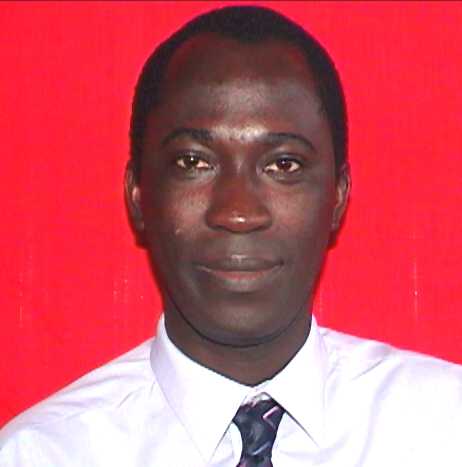
The researcher's work is centered around integrating innovative eco-friendly technologies across multiple scientific domains. Their primary themes include the application of adsorption and biosorption methods for effective pollution removal, the exploration of biogas production from agricultural residues for feasibility studies, and the development of sustainable waste management strategies. They also focus on advancing energy efficiency through the assessment of bioenergy systems based on agricultural residues and improving soil health by developing bioremediation techniques using recombinant organisms like Fusarium. The researcher's efforts extend to addressing heavy metal contamination in environmental studies and optimizing water quality, as well as recycling and managing municipal solid waste effectively. Their overarching goal is to create a comprehensive framework that combines innovative technologies across physics and life sciences to address challenges in energy, environment, and waste management, aiming for sustainable solutions globally.

Department of Chemical Engineering
This researcher has made significant contributions to the field of computational intelligence, focusing on integrating deep learning techniques with optimization algorithms for solving complex problems in generative modeling, healthcare inverse problems, and industrial applications. Their work bridges theoretical foundations with practical implementations, advancing methodologies that enhance decision-making and problem-solving across diverse domains.
Department of Chemical Engineering
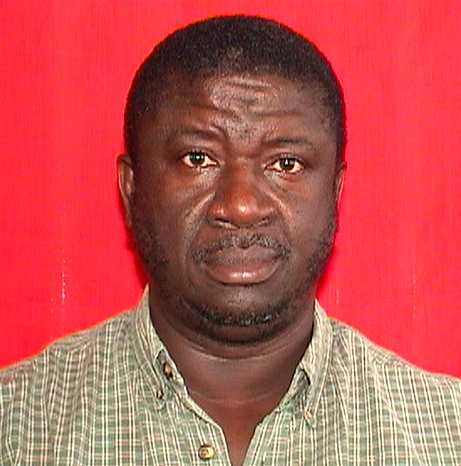
The researcher has developed innovative adsorption strategies for pollutant removal, optimized enzymatic production protocols using microbial and fungal strains to enhance glucose metabolism, analyzed nutritional profiles in plant materials, engaged in theoretical investigations into narrative identity within cultural contexts, and conducted detailed studies on GABA activity.

Department of Chemical Engineering
The researcher's work focuses on integrating renewable energy sources and advanced chemical processes for biofuels and sustainable agriculture in the Physical Sciences domain. Their research encompasses developing bioenergy potential from various feedstocks, creating catalysts for oxychlorination of ethylene, enhancing biofuel production methods across multiple domains, exploring agricultural sustainability strategies, and advancing pavement performance evaluations using sophisticated techniques.

Department of Chemical Engineering
The researcher investigates diverse areas within Physical Sciences, focusing on deprotonation processes in lignin, hydrolysis of cocoa husk waste, catalytic cleavage mechanisms, and computational methods applied to cyclic reactions. Their work also extends to exploring public health implications through an assessment of safety conditions in kindergarten schools in Ghana.