Beta Testing
KNUST Research Atlas is currently in active Beta. Report bugs or suggest features to help us improve!
KNUST Research Atlas is currently in active Beta. Report bugs or suggest features to help us improve!
KNUST Research Atlas is currently in active Beta. Report bugs or suggest features to help us improve!
Search, discover, and connect with over 1,800 researchers, faculty members, and scholars across all departments of KNUST.
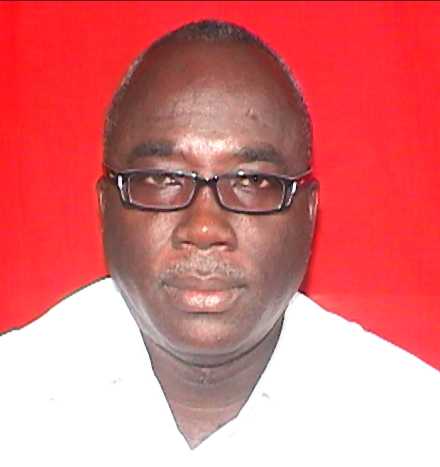
Department of Medicine
The researcher's work is centered on theoretical and mathematical physics, with a focus on quantum mechanics and nonlinear dynamics, exploring their applications to complex systems such as complex fluids and biophysics.

Department of Medicine
The researcher's work focuses on a comprehensive study of cardiovascular health, metabolic disorders, and related conditions. Their research encompasses cardiovascular disease diagnosis, hypertension, metabolic issues such as hyperlipidemia and hyperuricemia, and diabetes management, particularly examining complications like heart disease, stroke, and kidney disease. They also explore the BBA, mitochondrial dysfunction, and blood-brain barrier (BBA) issues, aiming to advance understanding of these complex health areas.
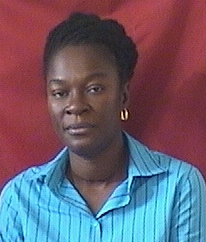
Department of Medicine
The researcher's work is centered on several significant areas within the health sciences, encompassing HIV/AIDS research, parasitic infections, kidney disease management, cardiovascular health, and immunological studies. Key themes include the interplay between helicobacter pylori and immune activation, renal function and mortality risks, HIV-related complications such as kidney disease and heart failure, and the impact of various health interventions on patient outcomes. The researcher's publications collectively highlight advancements in understanding health disparities, immune responses, antiretroviral therapies, dysphagia management, blood pressure disorders, antibiotic use patterns, substance abuse, poverty, social policies, cardiovascular diseases, and the role of immunology in disease management. This integrated approach provides a comprehensive view of contemporary health challenges and interventions.
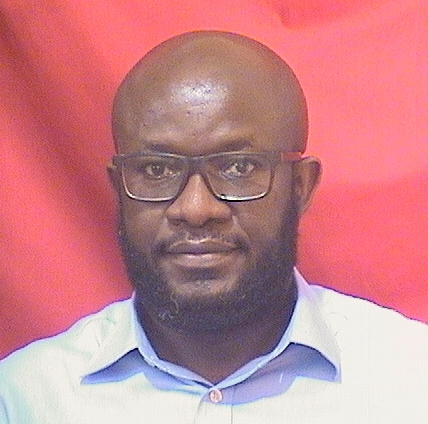
Department of Medicine
The researcher focuses on diabetes-related complications that impact various systems, such as metabolic syndrome and cardiovascular risks due to lipid transport barriers. Their work also examines systemic inflammation through cytokines and monocyte chemoattractant proteins, with a strong emphasis on vitamin D's role in immune function and metabolism, particularly in low-resource settings. The researcher explores broader implications for global health, including mental health, psoriasis, maternal care, and the treatment of sepsis, integrating these themes to understand how diabetes influences systemic health challenges across diverse populations.
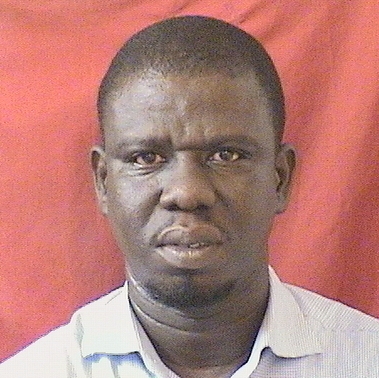
Department of Medicine
The researcher focuses on addressing global health challenges through comprehensive studies across multiple themes and domains, particularly in the African context of Ghana. Their work encompasses a wide range of public health issues, including diabetes management and education, hypertension and hyperlipidemia research, tuberculosis elimination efforts, malaria control strategies, parasitic disease treatment approaches, cardiovascular complications of pregnancy, oral microbiology, venous thromboembolic diagnosis, HIV-related health complications, ophthalmology, COVID-19 treatment protocols, neurological and metabolic disorders, heart failure care, dermatological diseases, global maternal and child health initiatives, mycobacterium eradication, trauma and emergency care, Pulmonary hypertension management, and community engagement in disease prevention. Their research aims to inform evidence-based interventions for improving health outcomes and reducing barriers faced by vulnerable populations in rural Ghana, with a focus on accessible healthcare delivery and public health education programs.

Department of Medicine
The researcher investigates the relationship between HIV-related health complications and treatments, alongside other medical conditions such as diabetes and hypertension, using a variety of methods including echocardiography and statistical analysis to identify predictors of heart abnormalities and treatment efficacy.
Department of Medicine
The researcher has conducted extensive studies focusing on COVID-19-related research in Ghana, examining diverse aspects such as patient presentation, acute outcomes, treatments, and healthcare impacts across various domains including diabetes, HIV/AIDS, severe COVID-19, kidney injury, pulmonary diseases, and TB.
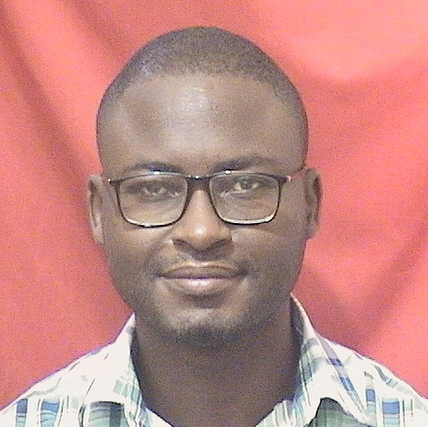
Department of Medicine
My research focuses on the comprehensive management and global impact of chronic kidney disease (CKD), with a particular emphasis on translational studies that bridge medical education, clinical research, policy development, and community engagement. The researcher explores innovative therapies, international collaborations, and the use of evidence-based practices to improve CKD care worldwide. Their work also highlights the critical role of recent global health events, such as COVID-19 pandemics, in shaping contemporary approaches to kidney disease management and health equity.
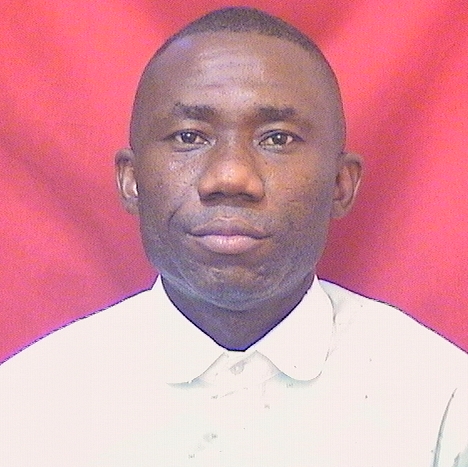
Department of Medicine
This researcher integrates interdisciplinary approaches spanning network science, data-driven methods for complex system analysis, and nonlinear dynamics in biological systems, demonstrating how empirical insights can predict collective behaviors across diverse applications from social networks to neural activity patterns.
Department of Medicine
The researcher's work focuses on three interconnected areas within health sciences: antimicrobial resistance in Staphylococcus (critical care), trauma-related injuries (emergencies), and blood disorders (like sickle cell). Their findings integrate insights from these themes, demonstrating the interplay between advancements in one area influencing others.
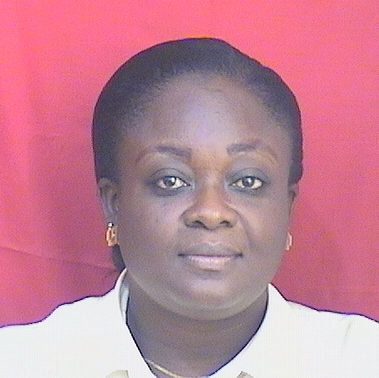
Department of Medicine
The researcher investigates how neural architectures generalize across different tasks and how architectural choices affect their ability to generalize. They analyze the impact of task structure on optimization dynamics and representation. The work combines implicit representations with explicit rule induction for knowledge graph completion and applies multi-modal learning strategies for few-shot tasks.
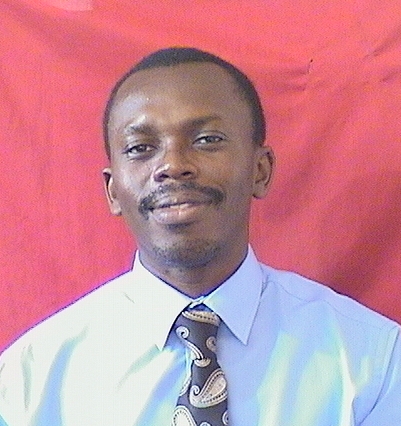
Department of Medicine
A researcher focused on health science advancements in Sub-Saharan Africa has been concentrating on improving stroke rehabilitation, healthcare mechanisms addressing motor complications, acute ischemic stroke management, COVID-19 impact, Alzheimer's disease research, mycobacterium diagnosis, lipid transport issues, neurological impairments, telemedicine applications, HIV-related health complications, immunocompromhesion, brain-based interventions, and diabetes management. Despite significant progress in stroke rehabilitation, preventive measures, and treatment options for neurodegenerative diseases like Parkinson’s, acute ischemic strokes remain challenging due to resource limitations and a lack of standardized care strategies. The researcher highlights the need for further research into community engagement, telemedicine tools, and comprehensive healthcare systems to enhance access and outcomes for underserved populations. Additionally, addressing underlying causes such as inflammation, neuroinflammation, and mitochondrial dysfunction requires collaboration with neurobiologists and mathematicians to develop targeted interventions.