Beta Testing
KNUST Research Atlas is currently in active Beta. Report bugs or suggest features to help us improve!
KNUST Research Atlas is currently in active Beta. Report bugs or suggest features to help us improve!
KNUST Research Atlas is currently in active Beta. Report bugs or suggest features to help us improve!
Search, discover, and connect with over 1,800 researchers, faculty members, and scholars across all departments of KNUST.

Department of Economics
The researcher has conducted extensive work across diverse domains, focusing on addressing significant issues in energy, environment, economic growth, and social sciences. Their research spans energy transition challenges, mobile health applications, microfinance systems, fiscal policies, conservation efforts, financial literacy, health systems, gender dynamics, poverty reduction, and global financial crises. Through systematic analysis of multiple themes and papers, the researcher has developed a comprehensive framework to understand complex issues in African societies and beyond.

Department of Economics
This researcher integrates a comprehensive empirical study spanning multiple themes within the domains of Social Sciences, focusing on global trade, international development, monetary policy, and financial Literacy. Their work is grounded in extensive analysis across sub-themes such as fiscal policies, economic growth, trade openness, gender roles, and energy policies. By synthesizing various papers using methodologies like empirical analysis and panel data, they contribute significantly to understanding global economic dynamics and their applied research primarily in Ghana, highlighting the integration of diverse empirical studies within a cohesive framework.

Department of Economics
The researcher's work centers on a comprehensive exploration of several critical areas within African agriculture and global development contexts. Their research encompasses significant themes such as agricultural resilience, environmental impacts of climate change, and the role of international aid in driving economic growth. They also emphasize the importance of financial literacy education and the practical application of producing glucose syrup as a means to engage with biological research. Additionally, their projects highlight the benefits of rural economic practices and customer service improvements, particularly in cassava-based products. The researcher's work integrates these elements into a broader perspective, showcasing efforts towards sustainable development strategies and fostering cultural identity through agricultural innovations.

Department of Economics
The researcher's work focuses on understanding the socio-economic development of Ghana through a global lens, examining themes such as banking stability, financial literacy, trade efficiency, environmental impacts, public health issues, urban transport accessibility, and macroeconomic factors. Their studies employ empirical research across international datasets to elucidate how local economic policies and institutions influence broader societal changes. By synthesizing findings from diverse domains, the researcher contributes to a holistic understanding of Ghana's global context, particularly in how port logistics, education, healthcare, and environmental policies shape economic growth and social development.

Department of Economics
Botulum Neurotoxin in Health: Understanding Neurotoxicity and Microbial Impact Gut Microbiota's Role in Health Outcomes: Their research highlights the importance of microbial processes in maintaining food safety. Essential Oils and Antimicrobial Activity: The role of essential oils like Phaffia rhodozyma contributes to broader microbial biosecurity studies. Phaffia Rhodooza in Plant Biology: Their focus on Phaffia rhodozyma explores its impact on carotenoid production, tying into plant biology. Metabolic Engineering and Bioproduction: Using yeasts like Phaffia rhodozyma in food processing reflects broader metabolic engineering applications. Cancer Screening and Detection: Their studies on adverse events after colonoscopy underscore the importance of microbiological knowledge in public health.

Department of Economics
The researcher has conducted extensive research on environmental economics in Ghana, focusing on themes such as industrial growth, urbanization effects, and climate change impacts on energy consumption and CO2 emissions. Their work employs various methodologies, including regression models, panel data analysis, and policy instruments, to explore the relationships between economic development, environmental sustainability, and social policies. Key areas of investigation include the role of financial investments in sustainable development, the impact of external debt on economic growth, and the effectiveness of macroeconomic determinants on aggregate demand for goods and services. The researcher's efforts have contributed significantly to understanding Ghana's role in global climate change mitigation strategies and sustainable development frameworks.

Department of Economics
The researcher has focused on several key areas within healthcare and health economics, exploring equity and quality in healthcare services across diverse domains such as vaccine coverage, maternal and child health care, and patient satisfaction. Their work particularly emphasizes the impact of public and external financial expenditure on healthcare costs. They examined the institutional factors influencing healthcare spending in Ghana, including capitation payment systems and user fees, as well as the gendered distribution of work roles and household responsibilities in both individual and broader contexts.

Department of Economics
The researcher focuses on examining socio-economic impacts across Ghana, exploring various dimensions such as energy, environment, transport policies, fiscal measures, agricultural resilience, housing dynamics, urban development challenges, international business, Hermeneutics, international aid, and more. Their work delves into how different factors influence development in rural-urban disparities, gender roles, energy use, health outcomes, and social stability.
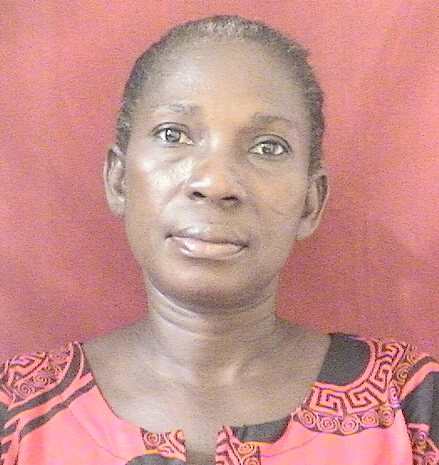
Department of Economics
This researcher's work integrates insights from melanism in both humans and plants, employing advanced biological and computational methods to explore the genetic and biochemical underpinnings of pigment production. Their approach bridges genetics, biochemistry, and nutrition to uncover how pigmentation shapes health outcomes across species, with a particular focus on obesity and appetite regulation as key themes. Through computational modeling and comparative genomics, they identify candidate genes that regulate melanin bioavailability, offering a multidisciplinary framework for understanding the molecular mechanisms of pigment expression.

Department of Economics
The researcher's work explores diverse aspects of economic growth and development across multiple themes: microfinance and financial inclusion, FinTech, crowdfunding, digital finance, fiscal policy, and monetary impact. Their research delves into how these areas influence macroeconomic outcomes in sub-Saharan Africa, including institutions' role in growth, financial inclusion efforts, and the interplay between technology and human development.

Department of Economics
The researcher's work focuses on comprehensive studies across various domains, including African-specific themes like energy systems, resource dependence, economic growth, environmental sustainability, education, welfare, transportation, urban development, fiscal policy, trade dynamics, religion, health risks, housing, social capital, and social assistance. Their research is particularly centered in Ghanaian contexts, examining energy impacts on cooking applications, electricity consumption, climate changes, gender roles, transportation innovations, policy implications, resource management, urbanization challenges, poverty resilience, and social capital issues.
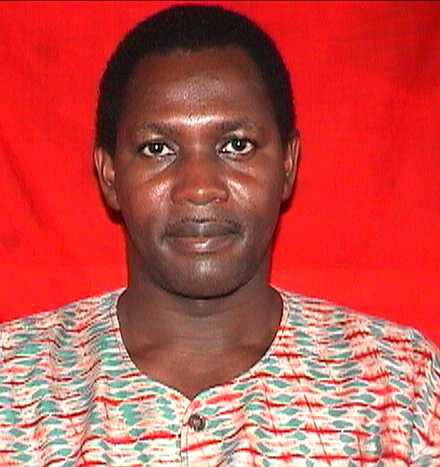
Department of Economics
The researcher's work centers on understanding and addressing health challenges in aging populations, energy systems with a global perspective, water management, sustainable practices, policy implementation, and conservation efforts within the Ghanaian context. Their focus includes examining how these areas intersect to impact socio-economic outcomes, particularly within the African continent, using case studies from Ghana.