Beta Testing
KNUST Research Atlas is currently in active Beta. Report bugs or suggest features to help us improve!
KNUST Research Atlas is currently in active Beta. Report bugs or suggest features to help us improve!
KNUST Research Atlas is currently in active Beta. Report bugs or suggest features to help us improve!
Search, discover, and connect with over 1,800 researchers, faculty members, and scholars across all departments of KNUST.
Department of Fisheries and Watershed Management
The researcher's work focuses on integrating climate change research with innovative agricultural practices across African domains, employing methodologies such as GIS, remote sensing, hydrological assessments, and computational physics to address challenges in sustainable development, water management, conservation, and food security. The study explores diverse systems like aquaponics, hydroponics, and traditional knowledge in rural Ghana, Kenya, and Western Cape, aiming to inform policy and practice for adaptation and resilience in the face of climate change and variability.
Department of Fisheries and Watershed Management
This researcher's work focuses on integrating innovative approaches across disciplines to address global challenges in environmental, social, and economic development. Through a combination of observational studies, field investigations, and experimental designs, the researcher explores themes such as flood risk assessment, land use and water management, climate variability impacts, agricultural resilience, marine ecosystems dynamics, and the biological traits influencing livestock production. The research integrates methodologies like statistical modeling, data collection, and case studies to uncover insights into environmental issues, improve resource management practices, and drive sustainable development strategies.
Department of Fisheries and Watershed Management
The researcher has made significant contributions to the fields of aquaculture nutrition and growth, marine biology and ecology, energy and environment impacts, aquatic ecosystems, physiological adaptations, environmental toxicology, ichthyology, mercury impact mitigation studies, coal and its by-products, and bioremediation efforts. Their work highlights a comprehensive understanding of Nile tilapia (Oreochromis niloticus) in aquaculture, marine biodiversity, and ecological dynamics. The researcher emphasizes the role of heavy metals in environmental toxicity and the broader implications for ecosystem health. Current research focuses include integrating aquaculture with agriculture, advancing bioremediation strategies, and exploring the social dimensions of aquaculture practices. This interdisciplinary approach underscores the importance of addressing both economic and ecological challenges in sustainable agricultural and aquatic systems.
Department of Fisheries and Watershed Management
This researcher investigates the impact of protein intake on aquaculture nutrition and growth, particularly focusing on specific marine organism populations such as Heterotis species. Their studies reveal how varying protein levels influence fry growth and survival in waterfowl, providing insights into optimizing nutritional practices for sustainable aquaculture systems.
Department of Fisheries and Watershed Management
The researcher investigates complex systems and network theories, blending theoretical models with empirical data to study dynamic processes and multiscale phenomena across various disciplines. Their work emphasizes the integration of multiple perspectives, employing innovative methodologies to model interconnected systems and applying these findings in social networks, infrastructure, and other areas.

Department of Fisheries and Watershed Management
The researcher has focused on advancing aquaculture practices, particularly targeting Nile Tilapia (Oreochromis niloticus) for improved growth, sustainability, and food security. Their work encompasses dietary supplementation strategies, microbial community analysis, physical and biochemical adaptations, and environmental impacts, all aimed at enhancing productivity and resilience in various aquaculture systems, including aquaponics, hydroponics, and aquabiotics.
Department of Fisheries and Watershed Management
The researcher's research is structured across several domains, reflecting a comprehensive exploration of ecological, nutritional, and agricultural themes within African contexts. Their work can be broadly categorized as follows: 1. **Marine Biology and Ecology**: Focuses on marine life interactions with the environment, including beach sand mining impacts and coastal erosion studies. 2. **Coastal and Marine Dynamics**: Examines environmental changes along the coastline, such as coastal erosion in Cape Coast and wave action dynamics in Nigerian waters. 3. **Research in Cotton Cultivation**: Aims to enhance agricultural productivity through innovative processing techniques for oilseed byproducts used in animal feed. 4. **Aquaculture Nutrition and Growth**: Investigates the nutritional aspects of aquatic fish populations, including growth performance, water flow effects on Nile Tilapia, and feed evaluation studies. 5. **Fish Biology and Ecology**: Studies early ontogeny of species like Heterotis niloticus and evaluates factors influencing fish development, such as hydrophobicity and rotifer live feeds. 6. **Fisheries and Aquaculture Studies**: Explores various systems in aquaculture, including feed evaluation, aquaculture development impact on ecosystems, commercial practices, and water quality issues. 7. **Land Use and Ecosystem Services**: Focuses on land management strategies, such as tree diversity and water access through aquaculture projects. 8. **Agricultural Systems and Practices**: Examines agricultural strategies like sustainable sanitation in aquaculture and small-scale fish farms. 9. **Coral and Marine Ecosystems Studies**: Investigates marine ecosystems, including ghost crab population declines due to habitat changes. 10. ** Livestock and Poultry Management**: Looks at animal production systems, including aquaculture and farm-made feeds for Nile Tilapia. 11. **Fish Behavior**: Explores the biological aspects of fish development, such as early ontogeny and hydrophobicity. 12. **Fisheries and Aquaculture Studies**: Evaluates various fish species in reservoirs and their economic impacts on aquaculture development. The researcher's work is a balance between ecological conservation efforts and integrated agricultural practices, aiming to enhance both sustainability and economic viability across African ecosystems.
Department of Fisheries and Watershed Management
The researcher has focused on developing innovative methodologies that integrate advanced theoretical frameworks with practical applications across diverse domains, including theoretical physics, computer vision, applied mathematics, and AI optimization.
Department of Fisheries and Watershed Management
The researcher's work focuses on the adaptive strategies and nutritional performance of Heterotis niloticus in marine aquaculture contexts, examining its responses to environmental factors such as oxygen levels, temperature changes, exercise regimes, water quality, and growth conditions. Key themes include early ontogenetic development, digestive enzyme activity, and overall fishery sustainability, driven by the organism's physiological and biochemical adaptations.

Department of Fisheries and Watershed Management
The researcher's work is centered on advancing knowledge in diverse fields including environmental science, aquaculture, climate change, and disaster management. Their research spans themes such as the bioaccumulation of environmental toxins, antibiotic use in aquaculture, water quality assessment, and climate variability, incorporating findings from various experimental and observational studies. Key papers include work on trichlocarban bioaccumulation in wastewater treatment plants, chloroquine bioconcentration in fish, attitudes toward antibiotic use, and practices for controlling bacterial infections in aquaculture. Their interdisciplinary approach highlights the researcher's commitment to understanding and mitigating environmental risks in agricultural systems.

Department of Fisheries and Watershed Management
The researcher has made significant contributions to the field of freshwater fish biology and ecology, particularly in studying tilapia species from Ghana’s rivers. Their work includes advancing our understanding of weight-length models for growth patterns using data from the Yapei Stretch of the White Volta River. They have also delved into hydrological aspects, examining factors like CPUE and water level variations in reservoirs, and their implications for ecosystem management. Combining their expertise with interdisciplinary approaches, the researcher has applied findings to address challenges in pharmacology, conservation, and sustainable development. Their studies on biodiversity and behavior highlight the ecological and economic impacts of these fish species, while their work on water quality underscores the importance of environmental management strategies. Through a holistic approach, the researcher bridges the gap between biological, social, and economic dimensions, offering insights that enhance both scientific knowledge and practical applications in fostering sustainable agricultural and environmental practices.
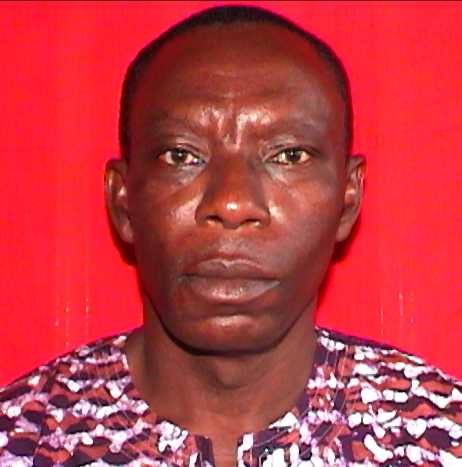
Department of Fisheries and Watershed Management
The researcher has focused on integrating conservation practices with sustainable aquaculture in Ghana, examining how land-based strategies can enhance biodiversity and ecosystem health while ensuring water quality remains optimal for aquaculture. Their work also delves into the nutritional aspects of Nile tilapia (Oreochromis niloticus) across diverse environmental inputs, contributing to understanding feed intake, growth performance, and sensory characteristics. Furthermore, the researcher explores the broader implications of these practices on broader social and economic impacts, including microfinance initiatives and financial inclusion efforts in African contexts, while also studying the ecological behavior of aquatic species such as the freshwater clam Galatea paradoxa.