KNUST Research Atlas is currently in active Beta. Report bugs or suggest features to help us improve!
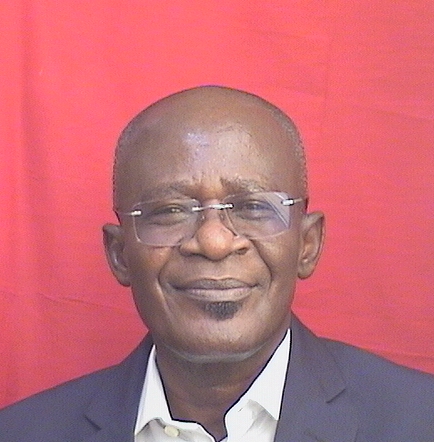
Kwasi Obiri-Danso
A researcher focused on addressing global health challenges in Ghana has integrated methodologies from social sciences, life sciences, physical sciences, and human sciences to study infectious diseases, water quality, marine ecosystems, and food safety. The research emphasizes the need for holistic approaches across diverse domains, including public health campaigns, environmental monitoring, microbial metabolism, and sustainable practices, aiming to improve healthcare outcomes, reduce environmental risks, and enhance community well-being in Africa.
Faculty Biography
Professor Kwasi Obiri-Danso is a Former Vice Chancellor of the Kwame Nkrumah University of Science and Technology (KNUST), Kumasi and a Professor in the Department of Theoretical and Applied Biology. Professor Obiri-Danso is a leading academic with considerable experience in general education, international relations and outreach services delivery, and vast institutional management experience, research management experience and boardroom experience, university teaching, collaborative research, and headship/membership of high profile Boards, Committees and Teams, including the following examples: Chairman, Kumasi Polytechnic Council; Chairman, National Nuclear Research Institute; Member, Ghana Atomic Energy Commission; Member, Implementation Committee for University of Environment and Sustainable Development, Member, Academic Board of KNUST; Member, Executive Committee of KNUST; Member, KNUST Colleges of Science and Health Sciences Appointments and Promotions Committees; Member, KNUST Undergraduate Admissions Committee; Member, KNUST Central Disciplinary Committee; Chairman, Committee of Hall Administrators; Hall Master, Independence Hall. Has specific training and research expertise in Microbiology, in particular Environmental and Food Microbiology. Research interest includes water quality, neglected tropical diseases, infectious diseases, antibiotic resistance and capacity building programs. As a PI or co-Investigator on several collaborative studies funded by reputable funders like MasterCard Foundation, the German Research Council, DANIDA and several others.
African Botany and Ecology Studies
Agriculture and Rural Development Research
Anaerobic Digestion and Biogas Production
Antibiotic Resistance in Bacteria
Aquatic Ecosystems and Biodiversity
Biofuel production and bioconversion
Child Nutrition and Water Access
Climate change impacts on agriculture
Composting and Vermicomposting Techniques
COVID-19 epidemiological studies
Dengue and Mosquito Control Research
Diverse Global Research Studies
Energy and Environment Impacts
European and International Law Studies
Fecal contamination and water quality
Fermentation and Sensory Analysis
Global Maternal and Child Health
Groundwater and Watershed Analysis
Health and Well-being Studies
Healthcare and Environmental Waste Management
Heavy metals in environment
Hemoglobinopathies and Related Disorders
Herpesvirus Infections and Treatments
Homelessness and Social Issues
Hydrology and Watershed Management Studies
Identification and Quantification in Food
Land Use and Ecosystem Services
Leptospirosis research and findings
Livestock and Poultry Management
Malaria Research and Control
Marine Bivalve and Aquaculture Studies
Metal Extraction and Bioleaching
Microbial infections and disease research
Microbial Metabolic Engineering and Bioproduction
Microbial Metabolites in Food Biotechnology
Mine drainage and remediation techniques
Mitochondrial Function and Pathology
Mosquito-borne diseases and control
Municipal Solid Waste Management
Mycobacterium research and diagnosis
Pharmaceutical and Antibiotic Environmental Impacts
Phosphorus and nutrient management
Phytoplasmas and Hemiptera pathogens
Probiotics and Fermented Foods
Salmonella and Campylobacter epidemiology
SARS-CoV-2 and COVID-19 Research
Tuberculosis Research and Epidemiology
Urban Agriculture and Sustainability
Viral Infections and Outbreaks Research
Viral Infections and Vectors
Wastewater Treatment and Reuse
Water Governance and Infrastructure
Water Quality and Pollution Assessment
Department of Theoretical and Applied Biology
Kwame Nkrumah University of Science and Technology