Beta Testing
KNUST Research Atlas is currently in active Beta. Report bugs or suggest features to help us improve!
KNUST Research Atlas is currently in active Beta. Report bugs or suggest features to help us improve!
KNUST Research Atlas is currently in active Beta. Report bugs or suggest features to help us improve!
Search, discover, and connect with over 1,800 researchers, faculty members, and scholars across all departments of KNUST.
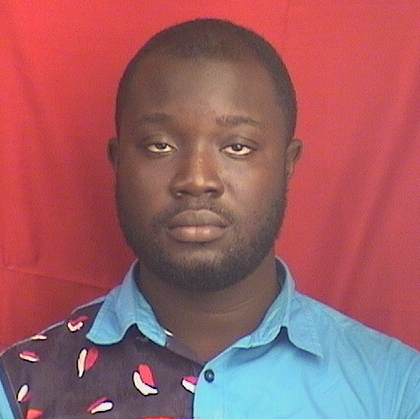
Department of Theoretical and Applied Biology
The researcher's work focuses on developing unified methodologies for analyzing complex systems across diverse fields, employing techniques from network analysis, optimization, machine learning, and climate modeling to understand phenomena ranging from social behavior to natural systems. Their approach emphasizes integrating these approaches to develop comprehensive models that can address challenges in various scientific domains.
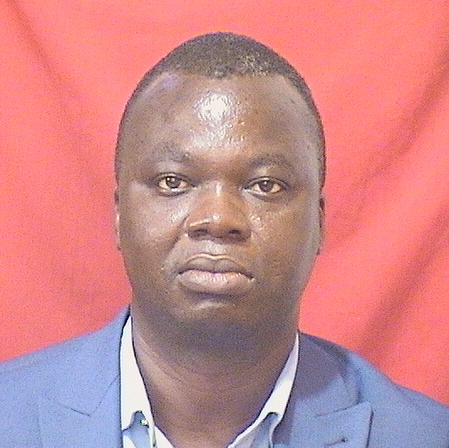
Department of Theoretical and Applied Biology
The researcher's work is centered on the integration of ecological and biotechnological approaches to address environmental challenges in Ghana and related regions. A key theme is the application of natural materials such as plants and seaweed for soil health and ecosystem services, highlighting their role in mitigating environmental stressors like fire and climate change. The research emphasizes the importance of land management and biodiversity conservation, exploring how communities shape ecosystems through specific examples in forests and wetlands. Techniques like bioremediation and chemical amendments are used to enhance soil health, while studies on pest inhibitors contribute to understanding species interactions. The work also underscores the significance of these efforts in advancing ecological solutions for sustainable development.
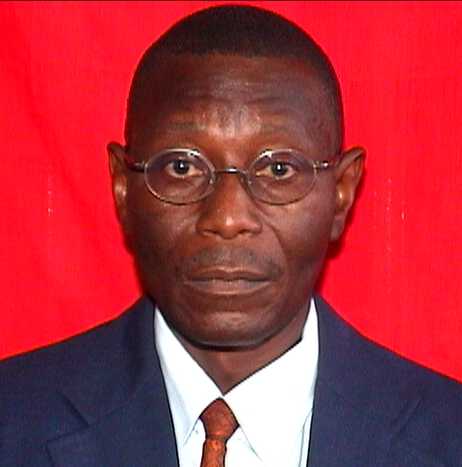
Department of Theoretical and Applied Biology
The researcher's work focuses on understanding the interplay between water quality and child nutrition, examining its impact on health outcomes across different communities. Their studies highlight how water access facilitates nutrient-rich environments, particularly in Akunakope and Dzogbedzi communities of Shai Osudoku district, while also exploring the role of Hepatitis B among food vendors in Kwadaso Municipality.
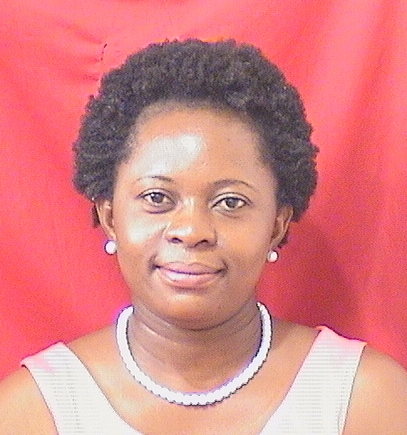
Department of Theoretical and Applied Biology
The overall research focus centers on understanding the spread and impact of SARS-CoV-2 and related infections in Ghana. This comprehensive study integrates a wide range of themes from immunology, parasitology, veterinary medicine, and public health, employing diverse methodologies to elucidate disease patterns and containment strategies.
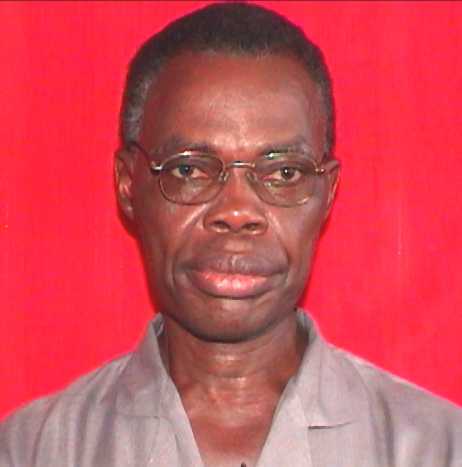
Department of Theoretical and Applied Biology
The researcher focused on developing comprehensive frameworks to integrate and analyze deep learning algorithms with human decision-making processes, particularly in complex systems across diverse domains such as healthcare, education, environmental modeling, recommendation systems, and data privacy. Their work emphasized advancing computational intelligence techniques for understanding interaction dynamics and improving AI-driven solutions across these fields.

Department of Theoretical and Applied Biology
The researcher's work focuses on advancing public health solutions across three interconnected domains: malaria research and control, Toxoplasma gondii studies, and digital imaging for blood diseases. Their research integrates accurate diagnostic tools, rapid testing methods, advanced imaging techniques, and socio-emotional factors to improve disease management in both malaria-ridden regions and Toxoplasma-borne communities. The work highlights the importance of understanding disease dynamics, developing reliable diagnostic frameworks, and leveraging cutting-edge technologies to address health disparities and promote healthier populations globally.
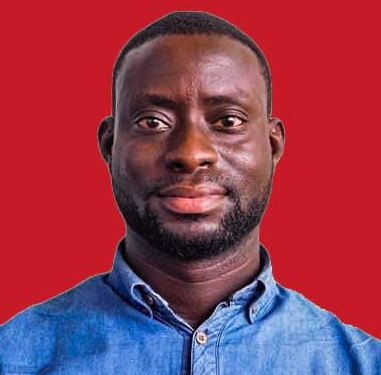
Department of Theoretical and Applied Biology
The researcher has conducted extensive studies focusing on three interconnected themes: parasitic diseases, toxoplasmos gondii infection, and COVID-19's impact on reproduction. Their work integrates insights into the spread and treatment of lymphatic filariasis and onchoceriasis, evaluates the role of hygiene protocols and antimalarial therapies, examines antigen status changes in filariasis patients, explores blood biomarkers associated with microfilariaria, assesses Onchocerciasis transmission dynamics post-drug administration, investigates seroprevalence of Toxoplasmos gondii in pregnant women, and delves into public perception of the COVID-19 pandemic among reproductive women. The research emphasizes the interplay between medical interventions, psychological impacts, and societal attitudes within these domains.
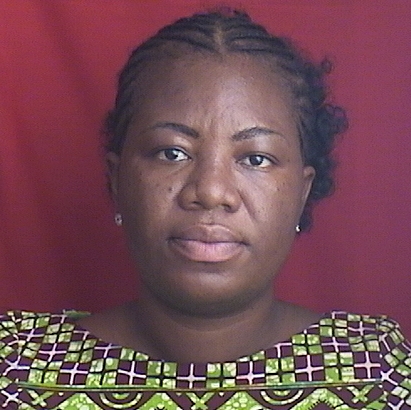
Department of Theoretical and Applied Biology
The researcher's work centers on infectious diseases management, focusing on topics such as TB, HIV/AIDS, and HCV. Their studies explore immunological aspects, including cytokine effects, immune response dynamics in patients with these diseases, and the role of public health policies in addressing their prevention and treatment.
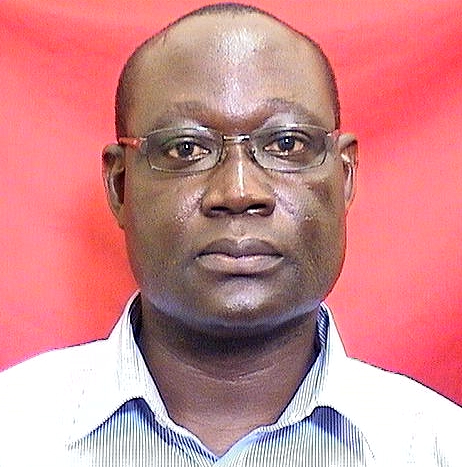
Department of Theoretical and Applied Biology
The researcher's work encompasses a comprehensive study of plant responses and interactions across various environmental factors and organisms. Key themes include plant studies focusing on road-edge effects, microbial bioremediation, leaf properties, ecological dynamics, edge disturbances, toxicology, mining techniques, urban ecology, soil biogeochemistry, and health impacts. This research integrates diverse fields to advance understanding of plant behavior in complex environments.
Department of Theoretical and Applied Biology
The researcher has focused on advancing social network theory through theoretical approaches that emphasize structural balance and polarization, applying these concepts to analyze complex systems. Their work employs network analysis to identify mechanisms driving polarization and explores community detection in dynamic networks. Additionally, they have developed novel computational methods to assess trust levels within interconnected groups, contributing to a deeper understanding of collective behavior and social dynamics.
Department of Theoretical and Applied Biology
The researcher's work focuses on understanding the complex interplay between technological advancements, societal changes, and their impact on human behavior and well-being across diverse fields such as climate change, neurodegenerative diseases, and digital human interactions.
Department of Theoretical and Applied Biology
This researcher investigates the intricate interplay between climate change and agricultural systems within Sub-Saharan Africa, examining how variations in temperature and rainfall affect food production. They conduct studies on vulnerable agriculture, focusing on Northern Ghana and Sub-Saharan Africa, assessing the impacts of climate variability on crop resilience. Additionally, they explore water resources management through urban reservoirs, transitioning from rural to urban areas, and developing frameworks for integrated water resource management (IWRM). Their work also delves into societal challenges such as urban-rural interdependence and agricultural resilience, aiming to understand systemic impacts on food security and environmental degradation.