Beta Testing
KNUST Research Atlas is currently in active Beta. Report bugs or suggest features to help us improve!
KNUST Research Atlas is currently in active Beta. Report bugs or suggest features to help us improve!
KNUST Research Atlas is currently in active Beta. Report bugs or suggest features to help us improve!
Search, discover, and connect with over 1,800 researchers, faculty members, and scholars across all departments of KNUST.
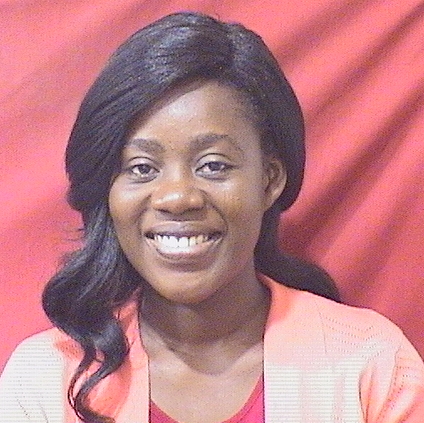
Department of Educational Innovations in Science & Technology
This researcher's work focuses on integrating theoretical frameworks with practical applications across various disciplines, emphasizing a multidisciplinary approach to address complex real-world problems through integrated methodologies. Their contributions lie in developing innovative solutions that bridge theoretical insights with empirical evidence, particularly in domains where both perspectives are essential for comprehensive understanding and effective policy formulation.
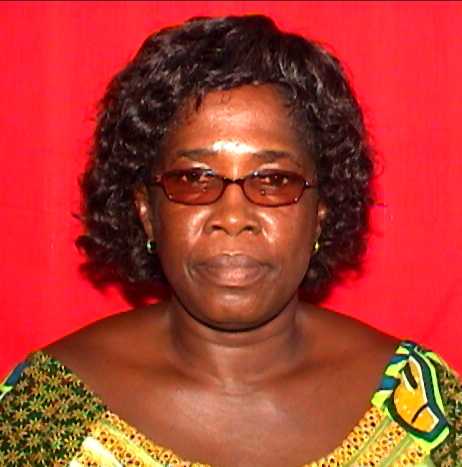
Department of Educational Innovations in Science & Technology
The researcher's work integrates themes across environmental, social, genetic, psychological, and physical factors influencing public health outcomes, collectively advancing understanding of how these elements interact within diverse populations.

Department of Educational Innovations in Science & Technology
The researcher's work focuses on modeling dynamic systems across various disciplines, applying mathematical frameworks to understand phenomena from biology and medicine (e.g., blood flow) to climate science and ecosystems, with a common goal of predicting system behavior over time.
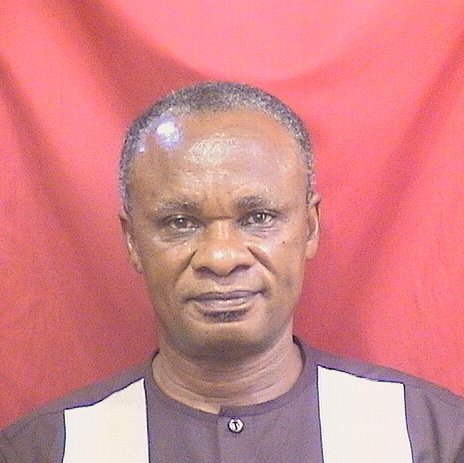
Department of Educational Innovations in Science & Technology
The researcher has focused on the theoretical and practical aspects of optimizing machine learning models under real-time constraints, exploring both first-order and second-order optimization methods and their convergence properties. Their work emphasizes developing robust algorithms that balance computational efficiency with accuracy while ensuring stability across various domains, including control systems and signal processing.
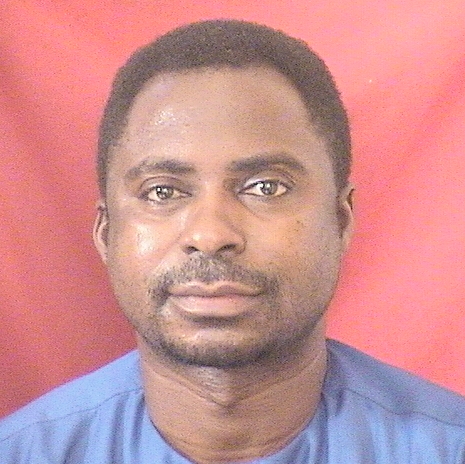
Department of Educational Innovations in Science & Technology
This researcher has focused extensively on developing and applying advanced computational techniques across diverse interdisciplinary domains. Their work integrates computational algorithms with optimization methodologies to address complex challenges in areas such as inverse problems, image processing, signal analysis, material science, and machine learning. The research emphasizes the integration of computational tools with cutting-edge mathematical theories, enabling significant advancements in solving intricate real-world problems. Collaborative efforts with experts from applied mathematics, computer science, engineering, biomedicine, and more underscore their commitment to integrating methodologies across these fields to drive innovation and provide innovative solutions.

Department of Educational Innovations in Science & Technology
This researcher has made significant contributions to understanding complex nonlinear phenomena at the intersection of biophysics, applied mathematics, and theoretical physics. Their work explores the interplay between physical principles, mathematical modeling, and biological systems, with a particular focus on nonlinear dynamics and chaos theory. Recent research emphasizes the integration of experimental, numerical, and analytical approaches, bridging the gap between traditional soft matter physics and emerging areas in biophysics. Their findings advance our understanding of biological systems through interdisciplinary studies that combine rigorous theoretical frameworks with quantitative empirical investigations.
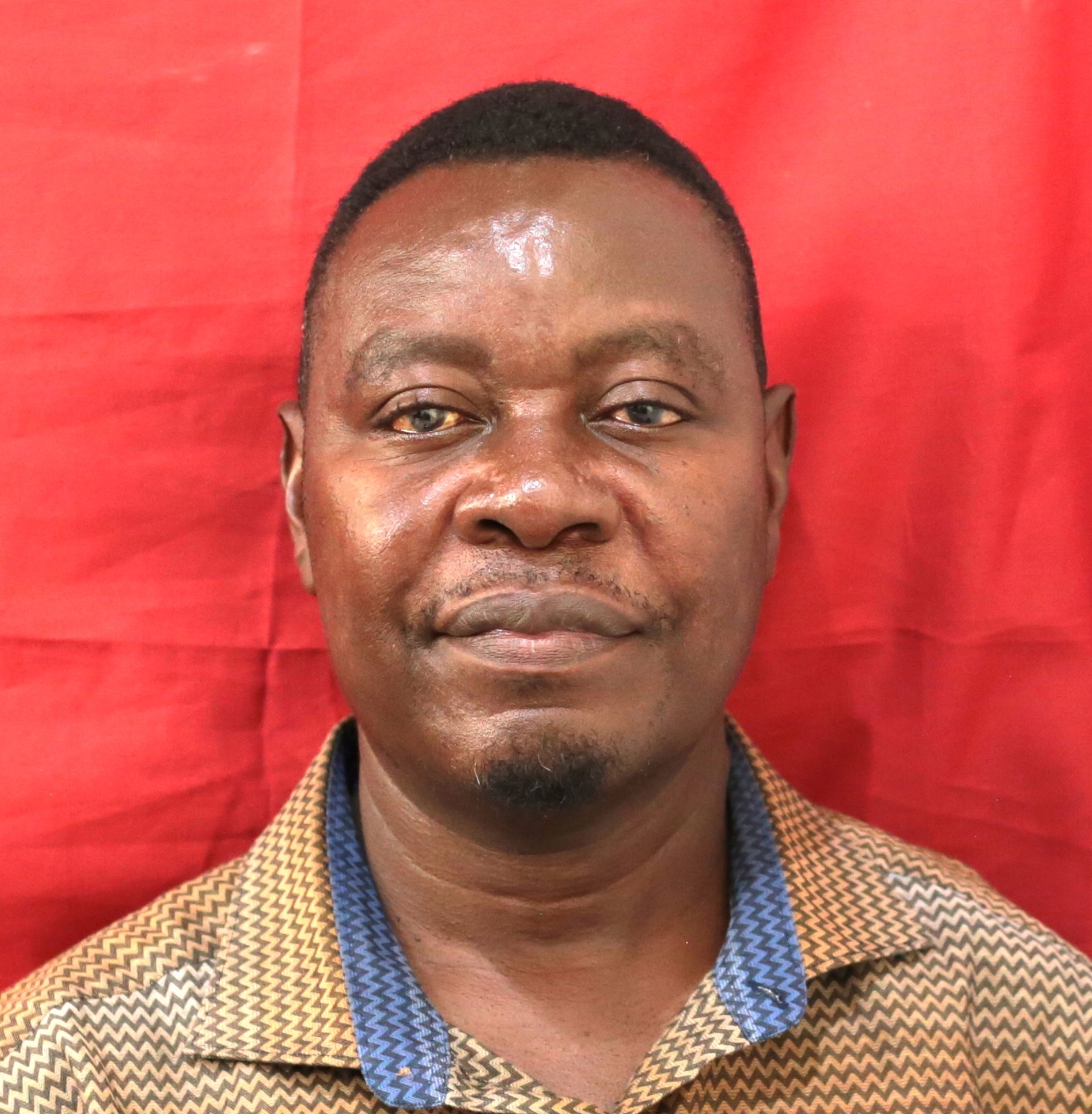
Department of Educational Innovations in Science & Technology
This researcher focuses on understanding the interplay between environmental factors, living organisms, and social structures in ecosystems to study ecological resilience and human-environmental dynamics through empirical and computational approaches.
Department of Educational Innovations in Science & Technology
The researcher integrates mathematical modeling across diverse scientific fields, from quantum optics to cardiovascular dynamics, employing systems biology and network science frameworks to address real-world challenges. Their work spans disease modeling, material design, and complex systems analysis, aiming to develop innovative theories that contribute to solving global issues in health, technology, and natural processes.