Beta Testing
KNUST Research Atlas is currently in active Beta. Report bugs or suggest features to help us improve!
KNUST Research Atlas is currently in active Beta. Report bugs or suggest features to help us improve!
KNUST Research Atlas is currently in active Beta. Report bugs or suggest features to help us improve!
Search, discover, and connect with over 1,800 researchers, faculty members, and scholars across all departments of KNUST.
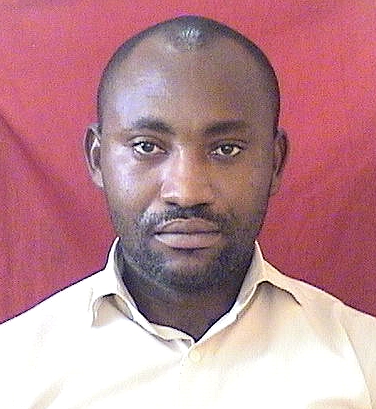
Department of Anatomy
The researcher's research is centered on the study of human attributes through various interdisciplinary approaches. This includes forensic anthropology and bioarchaeology using anthropometric studies in diverse cultural settings like Ghana. The work extends into forensic applications of facial features, medical imaging techniques, dermatoglyphics, social traits (including gender and demography), ergonomics, periodontal regenerative processes, and the impact on health outcomes. These works collectively explore how human attributes shape behavior, health, and societal structures, spanning forensics, medicine, and health sciences.
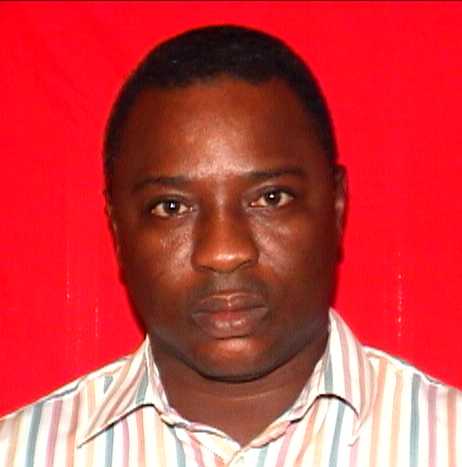
Department of Anatomy
Climate change has reshaped ecosystems, human societies, and economies by altering species distributions, physical affinities, and energy fluxes. Research in coral ecosystem studies highlights the role of marine heatwaves in threatening biodiversity and ecosystem services. Ocean community warming impacts plankton and bottom trawls, while ocean acidification influences aquaculture conservation. Species distribution models offer insights into threat factors for珍稀物种。Oral history reveals deep-seated tensions, while consumer behavior studies provide strategies for sustainable purchasing choices. These studies collectively underscore the interplay of climate change across diverse domains.

Department of Anatomy
The researcher has conducted extensive molecular biology and health applications research, integrating various analytical methods such as histology, immunofluorescence, and microscopic identification across diverse biological systems. Their work focuses on understanding protein function in human tissues, investigating histomorphological changes in pathological conditions like malaria, colon cancer, and connective tissue disorders, studying caveolin-1 localization in placental cells, analyzing histomorphological features of specific tissues in diabetic patients, examining genetic factors influencing colorectal cancer, and exploring how different tissues respond to specific stimuli.
Department of Anatomy
The researcher investigates how technological advancements, particularly in AI, shape modern educational practices, climate modeling, chemical synthesis, and medical treatments, emphasizing computational methods and machine learning as unifying threads across diverse disciplines.
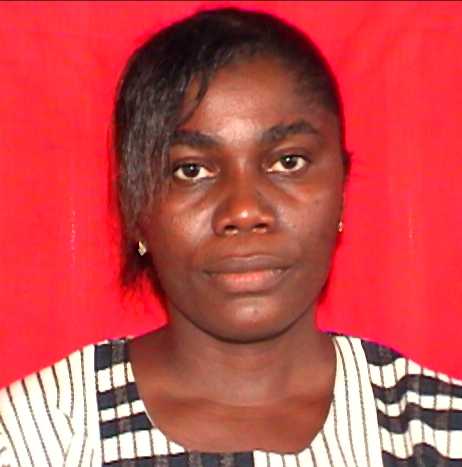
Department of Anatomy
The researcher's work integrates a comprehensive approach across multiple domains, focusing on understanding human body proportions, traditional practices, forensic applications of foot lengths, and genetic variations in hormones. Their research is interdisciplinary, synthesizing findings from genetics, forensics, and anthropology to explore anthropometric dimensions and their practical applications in health settings such as maternal, reproductive, and fertility care. The goal is to enhance our understanding of human body dynamics and integrate this knowledge into clinical practices that improve health outcomes through genetic insights and forensic forensic applications.
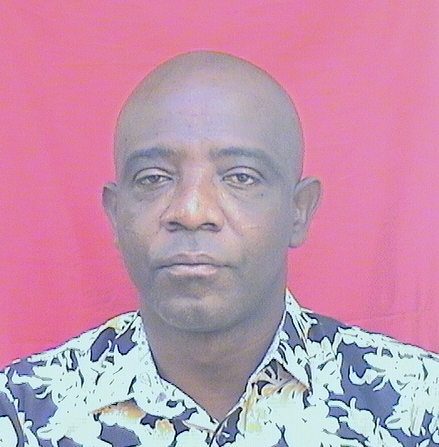
Department of Anatomy
The researcher's work focuses on two main areas: periodontal regeneration and treatments in health sciences, and breast cancer treatment studies in life sciences. Their publications highlight advancements in wound healing processes, particularly using platelet-rich fibrin matrices for therapeutic applications, as seen in a preliminary study on wound healing. Additionally, the researcher conducts comparative research studies of breast cancer outcomes, exploring clinical and pathological response patterns among Ghanaian women undergoing neoadjuvant chemotherapy and hormonal therapy, as demonstrated in another preliminary comparative study. These works collectively aim to advance knowledge in these fields through innovative experimental approaches and comprehensive comparative analyses.
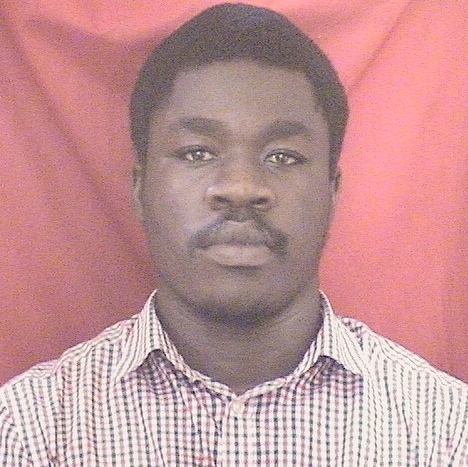
Department of Anatomy
This researcher has made significant contributions across diverse disciplines by integrating anthropological, evolutionary, genetic, forensic, and surgical methodologies to study ethnic differentiation using body measurement techniques. Through their work on forensic anthropology, evolutionary psychology, nasal surgery, hemispheric asymmetry studies, and breast cancer treatment, they demonstrate a commitment to understanding how ethnicity is inferred through body features across various scientific fields. Their research highlights the application of diverse methodologies in analyzing human traits and behaviors within diverse contexts, particularly focusing on Ghanaian populations using anthropological data for forensic applications and evolutionary insights into cultural and physiological differences.
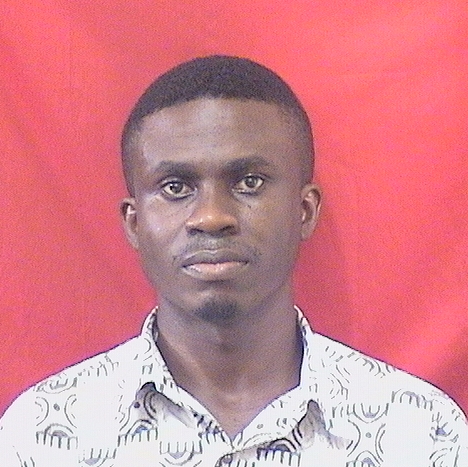
Department of Anatomy
The researcher has made substantial contributions across diverse fields, reflecting a comprehensive approach to social and health sciences. Their work on GHANIANS' demographics and gender preferences is particularly notable, addressing issues of height, weight, and sexual determination. In the realm of Hepatitis B Virus Studies, they have conducted extensive research in various regions, including Ashanti and Kumasi, examining seroconversion rates and vaccination coverage among health care workers. Their involvement in Evolutionary Psychology has focused on studying Bono and Ewe populations, exploring aspects of human behavior and preferences. Their expertise in Nasal Surgery includes anthropometric assessments within the Akan and Ewe communities. In forensic anthropology, they have investigated skeletal indices for different ethnic groups. Additionally, their work in Orthopedic Surgery encompasses bone-related studies among tertiary students in Ghana, as well as wound healing using a platelet-rich fibrin matrix across various regions.
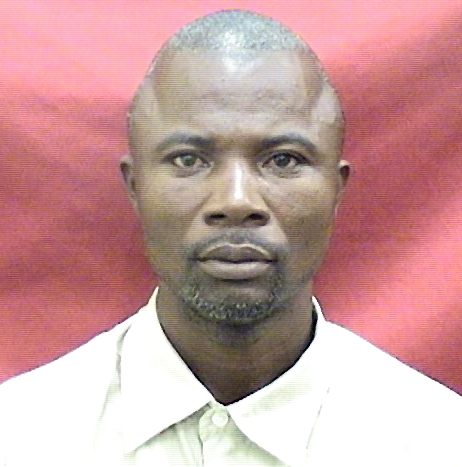
Department of Anatomy
The researcher's overall research focus is a comprehensive investigation into how social systems shape resource management and use in diverse contexts, spanning physical sciences (mining), life sciences (medicine), and cultural/anthropological studies. This interdisciplinary approach examines themes such as corporate social responsibility in mining companies, illicit drug use in health settings, and the dynamics of social structures impacting cultural practices on the Gold Coast. Through a blend of empirical analysis and theoretical exploration, the researcher seeks to uncover universal principles of resource governance and social influence across these domains.
Department of Anatomy
The researcher's work spans a comprehensive integration of transportation planning, urban transport optimization, public health interventions, behavioral studies, and social sciences. Through several papers focusing on traffic safety factors in Ghana, they explore how vehicle choices and satisfaction influence traffic congestion. Their research also delves into environmental and financial risks, employing geostatistical methods for recreational fishing catch rates, while highlighting the impact of COVID-19 through intervention analysis models. The researcher's interdisciplinary approach examines diverse aspects of transportation planning, including spatial patterns in fishing catch rates and behavioral health interventions. Their work reflects a holistic understanding of transportation systems, emphasizing both practical applications and theoretical advancements in related domains.

Department of Anatomy
The researcher has conducted extensive studies at the intersection of forensic anthropology, orthopedic surgery, and periodontics, applying statistical methods and biological techniques to understand human physical structures. Their work combines forensic anthropological analysis with orthopedic rehabilitation research, focusing on bone-related phenomena such as stature prediction, homologous vs non-homologous bone relationships, and wound healing mechanisms using advanced materials like platelet-rich fibrin matrices. This multidisciplinary approach aims to enhance our understanding of human anatomy and its applications in forensic investigations, medical rehabilitation, and periodontics.
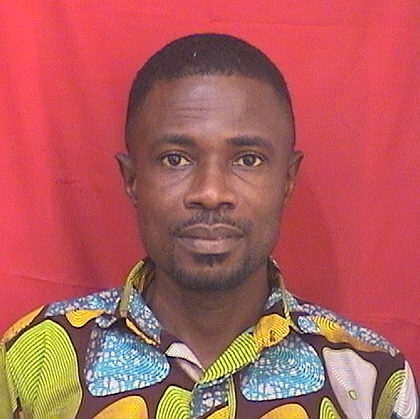
Department of Anatomy
The researcher has conducted extensive research spanning diverse areas of human and animal behavior and health, employing principles across social sciences, life sciences, and health sciences. Their work in forensic anthropology and evolutionary psychology focuses on understanding gender roles and biological patterns within specific populations, while their studies in sexual differentiation explore the biological basis of human sexality. The researcher’s ergonomic studies apply principles of hand measurement to predict ethnic identities, a theme that also intersects with forensic anthropology. Their contributions to medical research include advancements in liver disease diagnosis and treatment as well as early comparative studies on breast cancer. These works demonstrate how fundamental questions about human behavior and health are addressed across various disciplines, reflecting the researcher’s interdisciplinary approach.