Beta Testing
KNUST Research Atlas is currently in active Beta. Report bugs or suggest features to help us improve!
KNUST Research Atlas is currently in active Beta. Report bugs or suggest features to help us improve!
KNUST Research Atlas is currently in active Beta. Report bugs or suggest features to help us improve!
Search, discover, and connect with over 1,800 researchers, faculty members, and scholars across all departments of KNUST.

Department of Environmental Science
This researcher has contributed significantly to the field of theoretical physics, particularly in exploring the fundamental principles that govern the behavior of black holes and the nature of quantum gravity. Through extensive interdisciplinary research spanning topics such as quantum field theory and string theory, their work has deepened our understanding of the universe's structure and the laws that shape it.
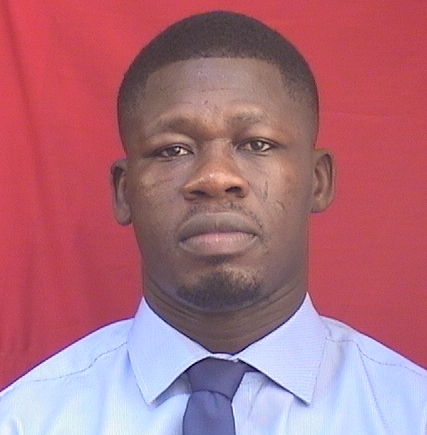
Department of Environmental Science
The researcher has conducted comprehensive studies synthesizing data across multiple thematic areas within Physical Sciences to assess human health impacts from both environmental and social/behavioral perspectives. Their work focuses on examining various factors such as heavy metals in the environment, municipal waste management practices, water quality issues, environmental education, aquatic ecosystems, and others, using methodologies like composite research approaches to understand how these impacts affect public health.
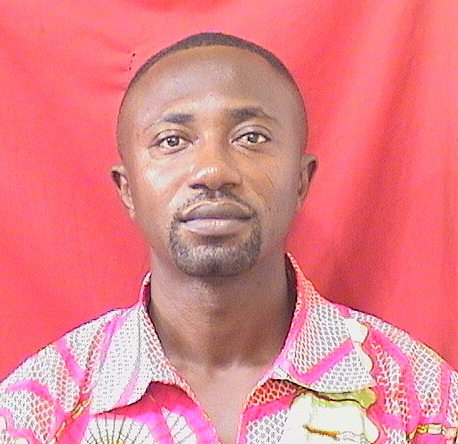
Department of Environmental Science
The researcher's work focuses on optimizing waste management strategies, assessing environmental impact risks, and advancing sustainable infrastructure development across various fields. This includes improving solid waste collection processes, enhancing resource recovery systems in agriculture, evaluating medical waste management practices, and developing urban and rural development strategies to address social and environmental challenges.
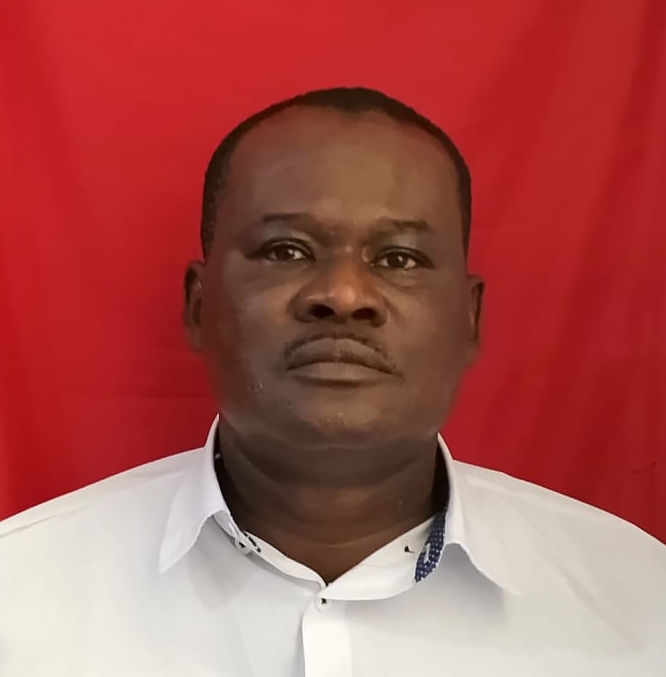
Department of Environmental Science
The researcher investigates the impact of anthropogenic activities and seasonal changes on the biophysical and chemical properties of tropical surface water resources, examining heavy metal levels in relation to their physical chemistry, hydrobiology, and geochmistry. This comprehensive study aims to enhance our understanding of water quality assessment across multiple domains, providing insights into pollution mechanisms and aiding environmental management and policy-making.
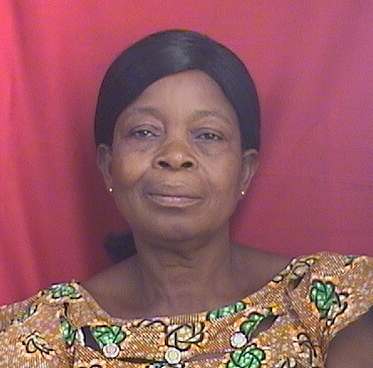
Department of Environmental Science
This researcher has focused on developing comprehensive models that integrate mathematical methods across different scales to address complex biological and engineering challenges, particularly in cancer treatment and materials design.
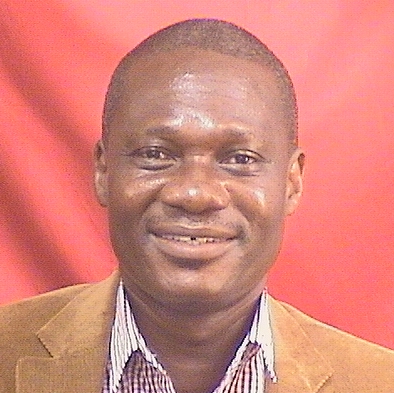
Department of Environmental Science
The researcher has made significant contributions to environmental research in Ghana through a comprehensive study spanning multiple domains. Their work focuses on various aspects of environmental management, including waste characterization, composting techniques, water quality assessment, soil integrity, and bioremediation strategies. The researcher employs innovative methodologies such as GIS mapping, multi-criteria evaluation, and statistical analysis to assess environmental challenges. Key themes include sustainable practices like anaerobic digestion, bioethanol production, and microplastics research. Their efforts highlight the importance of addressing environmental issues through eco-friendly solutions and community engagement. The researcher emphasizes Ghana's role in fostering sustainable development and social policies, underscoring their commitment to impactful environmental management.

Department of Environmental Science
The researcher's work focuses on two key areas of anaerobic digestion and wastewater treatment: producing biogas from co-substrates in Ghana and enhancing processes through human excreta in a biogas-producing system.
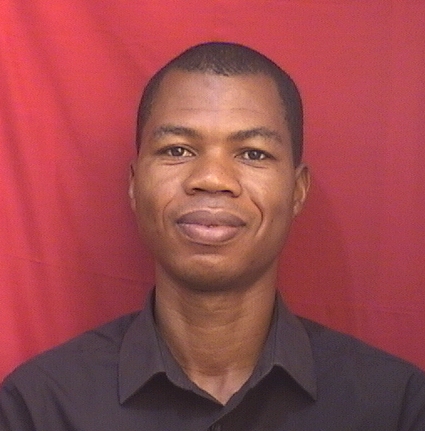
Department of Environmental Science
The researcher's overall research focus is on the environmental impact of pharmaceuticals and their associated pollutants in various systems. They examine how these substances affect biological systems through uptake by organisms, distribution of chemicals through aquatic ecosystems, and contamination risks across different scenarios. Their work also delves into heavy metal distribution, radiation effects, food safety practices, and waste management techniques such as sugarcane processing and recycling of medications. Additionally, the researcher investigates biological processes like fish health issues, animal-related diseases, and microplastic distribution in the environment. This comprehensive approach aims to understand and mitigate environmental hazards associated with pharmaceuticals and water pollution across diverse systems.
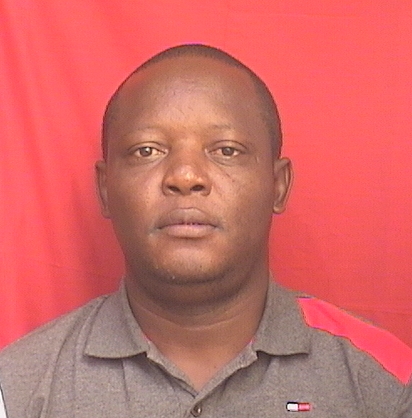
Department of Environmental Science
This researcher's work centers on the application of adsorption and biochar technologies across various environmental domains. Their research focuses on developing and optimizing methods for removing pollutants, such as heavy metals, nutrients, and gases, by leveraging adsorption processes. The findings from their publications indicate a comprehensive approach to addressing environmental challenges through biochar preparation, soil characterization, and nutrient management strategies.
Department of Environmental Science
The researcher's work centers on understanding soil carbon and nitrogen dynamics across diverse land-use systems, particularly examining their stock and characteristics in forest-savanna transition scenarios using data from multiple land-use systems in Ghana. This study aims to provide insights into the interplay between land use changes and carbon cycling processes, with implications for sustainable land management and environmental monitoring.
Department of Environmental Science
The researcher's work encompasses a comprehensive exploration of healthcare improvements in rural Ghana, addressing both individual and systemic challenges. Their research delves into complementary and alternative medicine practices during pregnancy, climate-smart agricultural innovations among small farmers, mobile health applications and technology adoption, patient satisfaction with healthcare professionals, social dynamics influencing health outcomes, global maternal and child health systems, environmental education on sanitation effectiveness, poverty-related initiatives in agriculture, gendered labor and family structures, forest degradation impacts via religious practices, and the interplay of environmental factors with climate variability.
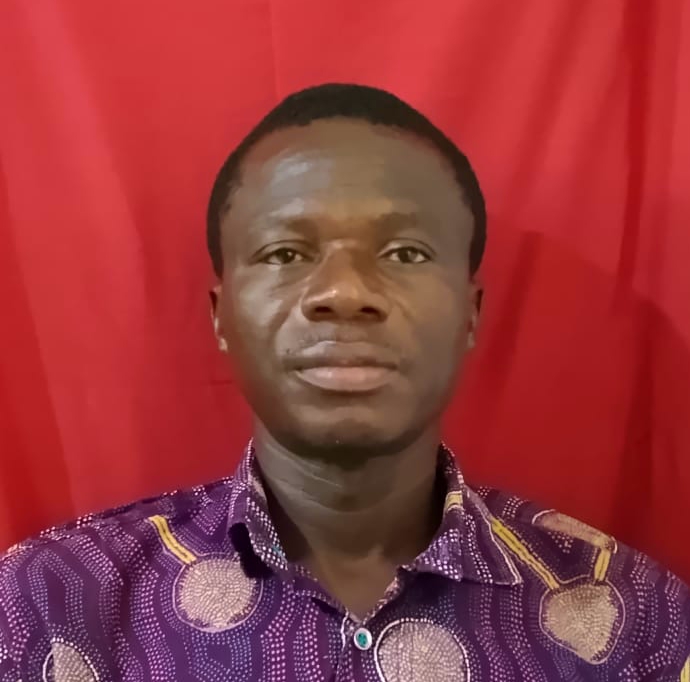
Department of Environmental Science
This researcher's work focuses on advancing understanding of agricultural systems and land-use dynamics to enhance food security and sustainability. Their publications explore themes such as land-use changes in the Owabi Reservoir Catchment, climate impacts on agriculture, innovations in risk management, and rural development efforts. Through case studies of farmers from Ghana, the researcher examines how climate change, land-use changes, and social factors influence agricultural practices, aiming to contribute to policy-making and better management of food production while addressing the challenges faced by vulnerable communities.