Beta Testing
KNUST Research Atlas is currently in active Beta. Report bugs or suggest features to help us improve!
KNUST Research Atlas is currently in active Beta. Report bugs or suggest features to help us improve!
KNUST Research Atlas is currently in active Beta. Report bugs or suggest features to help us improve!
Search, discover, and connect with over 1,800 researchers, faculty members, and scholars across all departments of KNUST.
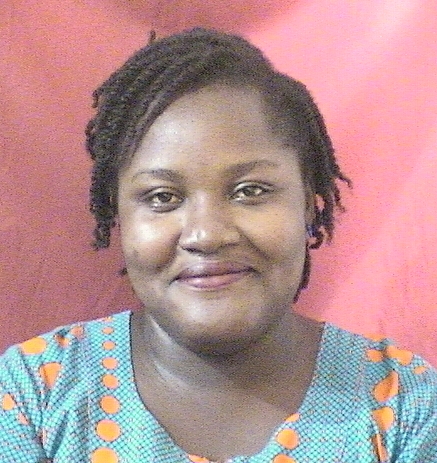
Department of Physiology
The researcher’s work is centered on the development and application of integrated mathematical models to study complex biological systems, particularly in the context of cancer and its underlying mechanisms. Their research spans theoretical modeling of signaling pathways, evolutionary dynamics in developmental processes, and the interplay between genetic regulation and cellular behavior. By collaborating with experts in fields such as genomics and oncology, they aim to uncover deeper insights into how cancer arises and progresses, focusing on the creation of comprehensive frameworks that connect biological phenomena at various scales.
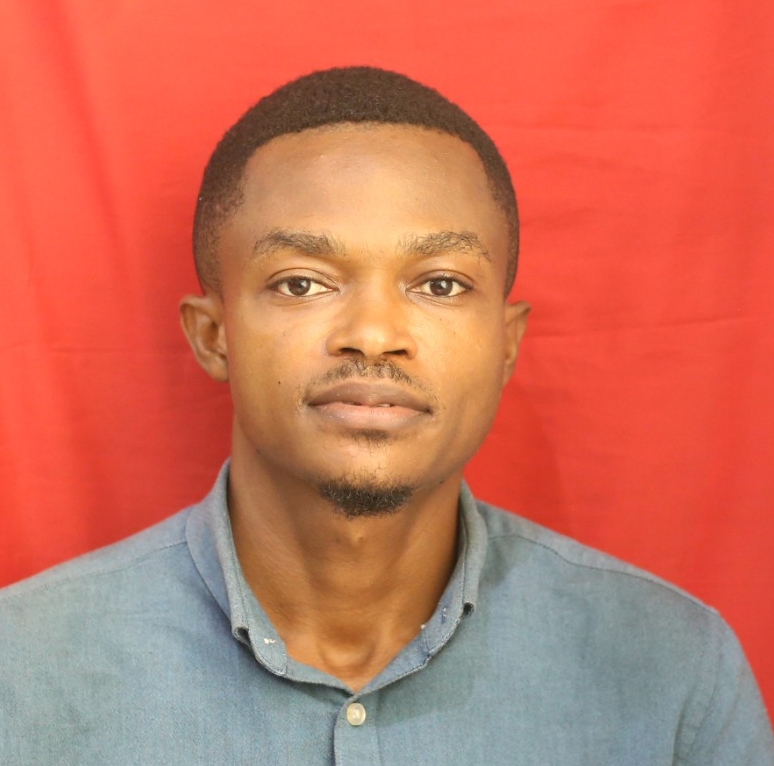
Department of Physiology
The researcher's work is centered on reproductive and sexual health in the health sciences domain, specifically investigating the effects of dietary patterns on testosterone-induced prostatic hyperplasia in rats, contributing to broader understanding of hormonal influences on male health.
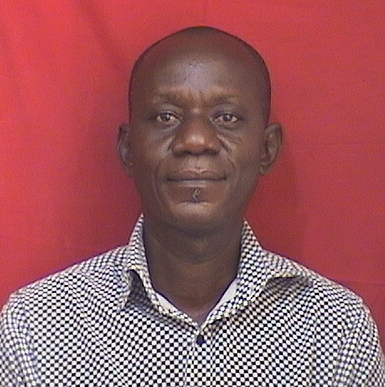
Department of Physiology
This researcher focuses on studying human behavior across multiple domains, examining individual differences in how people process information, interact with others, and their responses to mental health challenges. Their work integrates insights from behavioral experiments, neuroimaging, and computational modeling to understand how individual differences shape behavior and contribute to mental health outcomes. By synthesizing studies from various perspectives, they aim to uncover the multifaceted nature of human behavior and its implications for social interactions and mental well-being.
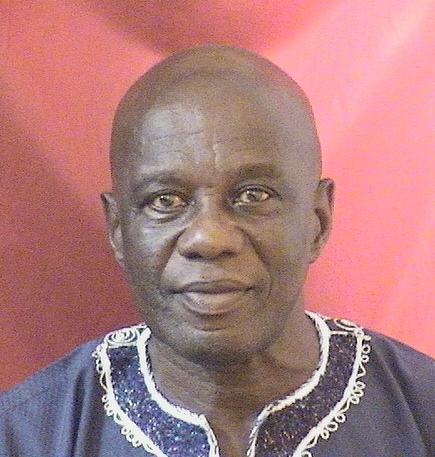
Department of Physiology
The researcher employs computational methods and data analysis to study complex systems in climate dynamics, focusing on understanding how these systems interact over large temporal and spatial scales.

Department of Physiology
The researcher has conducted extensive work in the field of hemoglobinopathies, focusing particularly on understanding geometric differences in pain perception linked to sickle cell anemia in children. Their studies, such as the multidisciplinary DOVE study, aim to explore how geographic and age-related factors influence physical function and usage patterns in individuals with sickel cell anaemia. Additionally, they have investigated the pharmacological effects of clenbuterol on muscle growth under various conditions, including inducing skeletal muscle atrophy or growth, within mice models using different inducing agents. This integration of both functional studies on hemoglobinopathies and pharmacological experiments with specific drugs exemplifies a comprehensive approach to understanding these disorders through biological and therapeutic lenses.

Department of Physiology
The researcher focuses on the molecular mechanisms of breast cancer across multiple domains: analyzing bcl-2 levels related to p53 and MDM2, examining glycosylation factors like ENaC, exploring histopathological characteristics, and integrating AI for cancer detection.
Department of Physiology
The researcher has conducted extensive work across multiple domains, focusing on the intersection of health sciences and life sciences. Their research is deeply interconnected, with a primary emphasis on prostate cancer treatment and diagnosis, as these areas are closely linked through their focus on biomarkers such as PS A, CRP, and Hgb concentration. Additionally, studies related to heat shock proteins highlight their role in evolutionary biology within prostatic cancer cells, particularly via oxidative stress signaling. The researcher also explores the biological aspects of HIV disease using alcohol consumption data, demonstrating its broader impact on health outcomes. Furthermore, their work on trace elements underscores the importance of understanding nutritional and bioactive compounds for overall health and treatment strategies. This integrative approach across themes reveals a holistic view of prostate cancer research, emphasizing the need for multidisciplinary approaches to enhance treatment and diagnosis.
Department of Physiology
**Final Answer:** The chosen topic for further research is **Wastewater Treatment and Reuse**, focusing on advancing computational methods to optimize grey water treatment processes. This aligns well with my background in Physical Sciences, particularly in nanotechnology and environmental science. The integration of machine learning for predictive modeling can enhance the efficiency of grey water treatment, addressing both environmental health impacts and public health needs. This research opportunity offers a blend of interdisciplinary opportunities, leveraging computational techniques and chemical engineering to contribute meaningfully to global water quality improvement.

Department of Physiology
The researcher's work focuses on integrating mathematical modeling with empirical data to study disease progression across diverse biological contexts, including cancer, immune system dynamics, and epigenetics. Their integration of theoretical frameworks with empirical findings highlights a multidisciplinary approach aimed at advancing understanding in areas such as personalized medicine and disease prediction.
Department of Physiology
The researcher's work spans several critical areas in health sciences, including contributions to congenital heart disease studies, pulmonary hypertension research, liver disease research, ion channel regulation, diagnosis and treatment of tuberculosis, cardiovascular and diving-related complications, renal function and acid-base balance abnormalities, ion transport mechanisms, chronic obstructive pulmonary disease (COPD) research, and stroke mimics. Their work addresses diverse health issues across these domains, highlighting advancements in understanding and treating various diseases and their complications.
Department of Physiology
The researcher's work centers on designing and implementing global health interventions, particularly in the areas of hypertension control and maternal and child health. Their research focuses on developing and assessing policies and strategies that enhance healthcare delivery, with a strong emphasis on cross-cultural collaboration and large-scale program evaluation. Through studies examining task-strengthening strategy implementation, community-based approaches to health care, and the capacity to address global health challenges, the researcher contributes to advancing effective healthcare systems both domestically and internationally. Their efforts highlight the importance of systematic policy design, evaluation, and cooperation between academic institutions, governments, and NGOs in improving health outcomes across diverse populations.
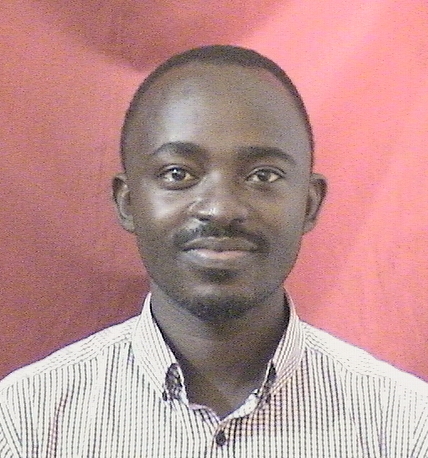
Department of Physiology
The researcher's work integrates clinical trials and global implementation studies, focusing on hypertension control strategies in Ghana and low- and middle-income countries. They employ methods such as cluster randomized trials for evidence-based interventions and online courses to enhance public health education. The findings highlight the importance of strategy development and the role of technology in modern healthcare, while also exploring factors like physical activity and sleep health, reflecting a comprehensive approach to addressing public health challenges in this region.