Beta Testing
KNUST Research Atlas is currently in active Beta. Report bugs or suggest features to help us improve!
KNUST Research Atlas is currently in active Beta. Report bugs or suggest features to help us improve!
KNUST Research Atlas is currently in active Beta. Report bugs or suggest features to help us improve!
Search, discover, and connect with over 1,800 researchers, faculty members, and scholars across all departments of KNUST.
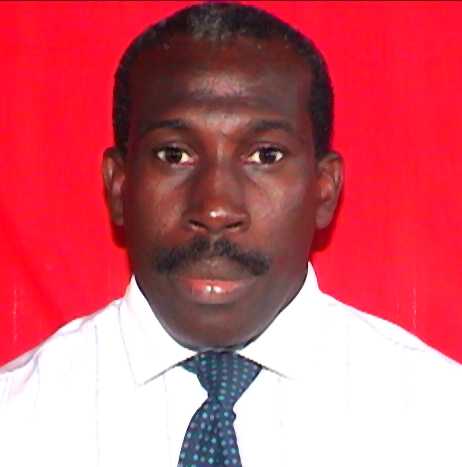
Department of Physics
The researcher has conducted extensive research across multiple domains within health sciences, focusing on advanced radiotherapy techniques, patient safety, AI in cancer detection, and innovative methods for radon measurements. Their work explores the application of low-dose rate brachytherapy in addressing critical points in cervical cancer, as well as web-based incident analysis systems for radiation therapy. The researcher has also investigated deep transfer learning using ResNet18 and Resnet34 to detect breast cancer with high accuracy. Additionally, they have developed innovative imaging methods to measure radon concentration in groundwater, contributing to environmental impact assessments and public health accountability.
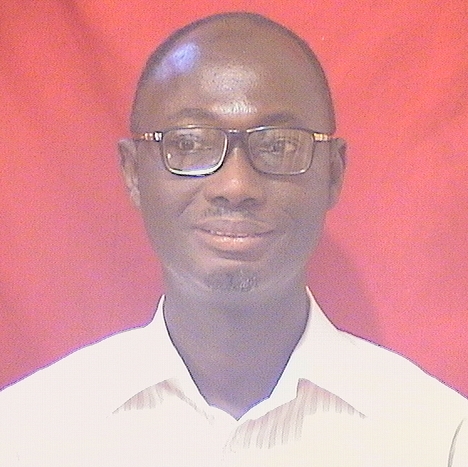
Department of Physics
The research focuses on synthesizing and characterizing advanced nanomaterials, including boron, carbon, silicon carbide, graphene, MXene, and perovskites, with applications in sensors, energy storage, electronics, and composites.
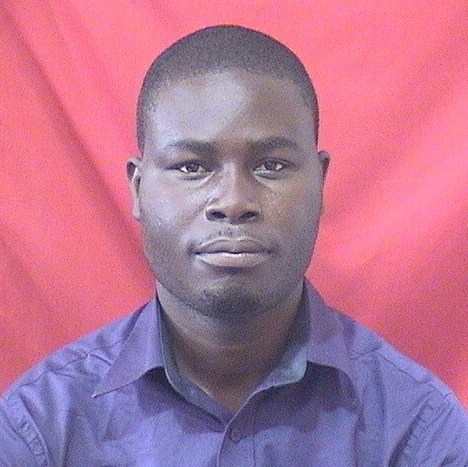
Department of Physics
The researcher's overarching focus lies in exploring how quantum systems shape computational capabilities and enhance healthcare through drug discovery, integrating theoretical frameworks with empirical research to advance interdisciplinary approaches.
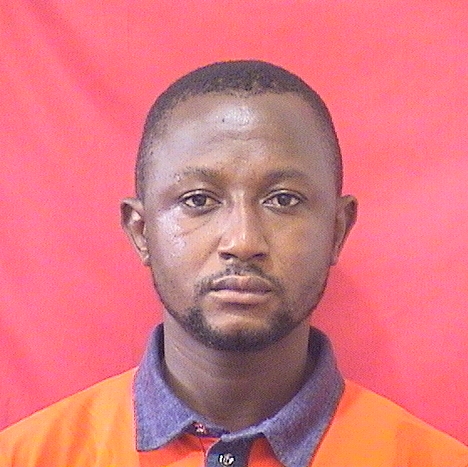
Department of Physics
This researcher's work focuses on the interplay between genomic, epigenetic, and cancer-related processes, particularly how regions of the genome regulate gene expression and contribute to tumor evolution. Their research integrates mathematical modeling with population genetics to understand evolutionary dynamics in cancer cells, while also examining biomarkers for mental health disorders like Alzheimer’s and Parkinson’s. Additionally, they explore metabolic regulation within cancer cell populations to develop therapies targeting resistant cell groups.
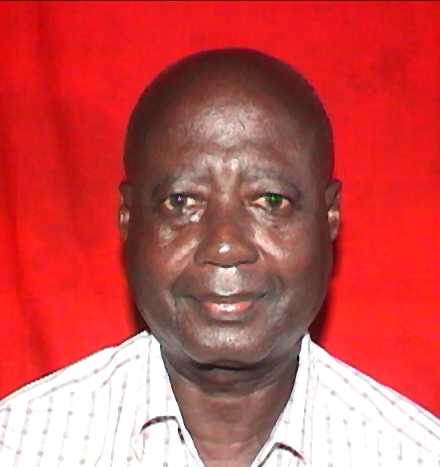
Department of Physics
The researcher has conducted extensive work on HIV-related health disparities in communities, primarily examining systemic inequalities. Through a synthesis of diverse themes, including HIV/AIDS prevention experiences, gendered access to healthcare, stigma reduction interventions, and community-based approaches, the research delves into understanding these disparities within marginalized contexts. The study highlights efforts to improve HIV testing and knowledge acquisition, particularly targeting men who have sex with men in regions with significant racial and economic divides. Additionally, it explores the impact of cultural context on accessing healthcare and implementing inclusive health interventions.

Department of Physics
The researcher's research is centered on the intersection of advanced materials science and energy applications, particularly in photovoltaic and photocatalytic systems. Their work explores the use of thin films, especially chalcogenide-based ones, to develop novel sensors and bioleaching techniques. Key areas include: 1. **Advanced Photovoltaic and photocatalysis**: The researcher investigates thin film materials for water degradation, focusing on adsorption and antimicrobial applications. 2. **Sensors and Bioremediation**: They leverage nanocomposites and chitosan to create functional materials with high selectivity for analyte detection. 3. **Chalcogenide Thin Films**: Contributions include the synthesis of CdSe, CdS, and their blends, which are critical in developing energy storage solutions for rural communities. 4. **Energy and Environment**: Research emphasizes reducing environmental impacts through solar and biofuel technologies, aiming to empower rural areas with renewable solutions. The researcher's work demonstrates a commitment to innovation across nanotechnology, photocatalysis, and bioremediation, with applications that enhance sustainability in rural settings.

Department of Physics
The researcher has conducted interdisciplinary studies spanning environmental impact assessment in Africa, solar energy distribution systems in India, and quantum computing collaborations. Their work combines methods from biology, geology, physics, chemistry, computer science, and quantum mechanics to address challenges in sustainable development and cutting-edge technology advancements.
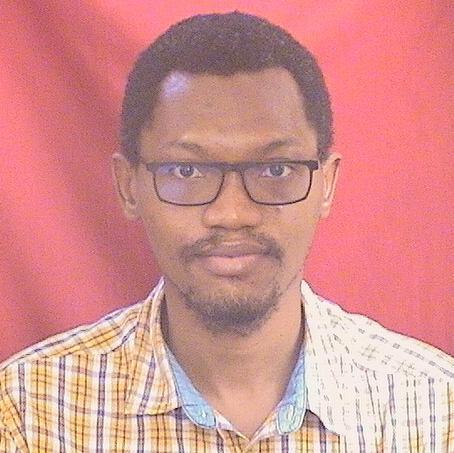
Department of Physics
A researcher has made significant contributions to the study of lepidoptera butterflies, focusing on their evolutionary history and ecological roles. Their work integrates genetic studies with applications across multiple domains, including fungal biology, image processing, and evolutionary dynamics. Key findings include genome-wide evidence for butterfly speciation driven by gene flow, insights into introgression effects mediated by fungal loci, and the evolution of supergenes in hybrid species. The researcher's research highlights the intricate interplay between genetic diversity, ecological interactions, and practical applications such as video game pedagogy and fungal vector-mediated introgression.
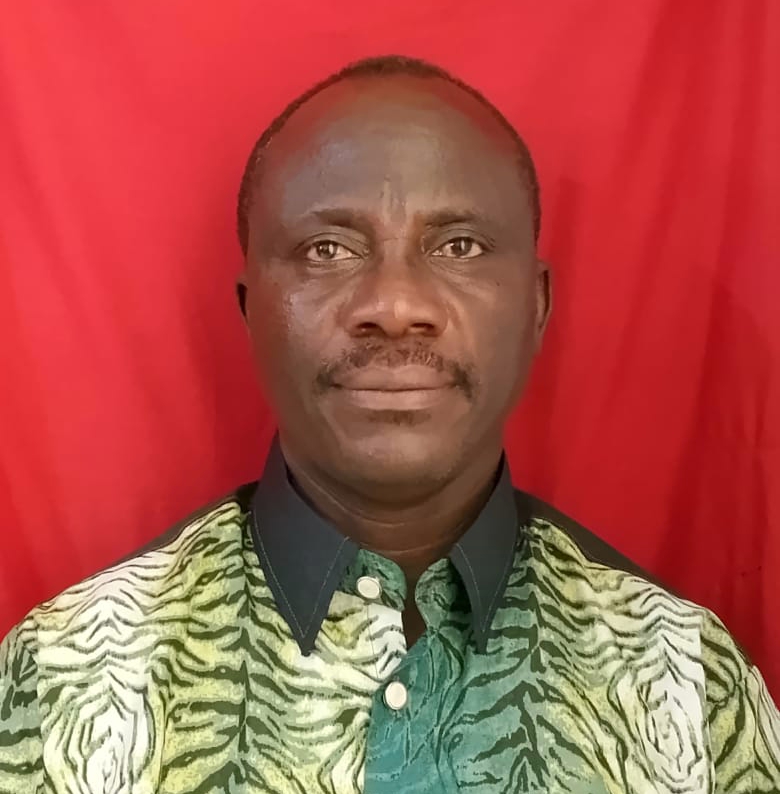
Department of Physics
The researcher has conducted extensive research across a diverse range of themes within the Physical Sciences domain, focusing primarily on innovative applications in materials science, biotechnology, and environmental health. Their work encompasses the use of adsorption technologies for pollutants removal, synthesis of novel materials such as quantum dots and CdS thin films, exploration of biomaterials like nanocrystalline thin films, and advancements in hydrogen storage systems. Additionally, they have investigated pedagogical approaches to teaching, emphasizing problem-based learning and the application of advanced materials in health interventions. Their research highlights a strong interdisciplinary approach, combining fundamental scientific discoveries with practical applications in environmental and health contexts.

Department of Physics
This researcher's work is centered on advancing computational methods for materials science, particularly in developing robust algorithms for complex systems. Their research spans multiscale modeling of polymer crystals, stochastic mechanics of soft matter, and biophysics applications. They address computational challenges, such as data integration across scales and verification methods, while exploring the interplay between computer science and materials physics. This balanced approach positions their work at the forefront of understanding material behavior from fundamental principles to practical applications.

Department of Physics
The researcher primarily focuses on integrating advanced computational techniques across diverse health science domains, including AI for cancer detection, radiology applications of radiotherapy devices, radiation therapy optimization, and medical imaging through SPECT/CT. Their work emphasizes the application of innovative methods to enhance diagnostic accuracy in cancers and improve treatment efficacy in various health fields, showcasing a multidisciplinary approach using computational tools in advancing healthcare solutions.
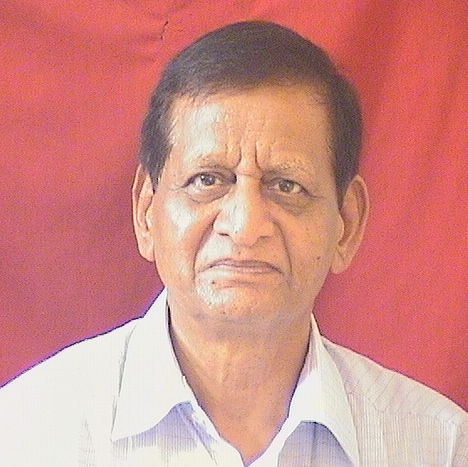
Department of Physics
The researcher's work focuses on advancing novel materials and technologies for energy storage and detection systems, spanning across diverse fields including solar energy, biodegradable applications, and sensor technology. Their research integrates innovative approaches to improve the efficiency and versatility of energy storage devices and detection mechanisms across physical sciences, health sciences, and biotechnology.