Beta Testing
KNUST Research Atlas is currently in active Beta. Report bugs or suggest features to help us improve!
KNUST Research Atlas is currently in active Beta. Report bugs or suggest features to help us improve!
KNUST Research Atlas is currently in active Beta. Report bugs or suggest features to help us improve!
Search, discover, and connect with over 1,800 researchers, faculty members, and scholars across all departments of KNUST.
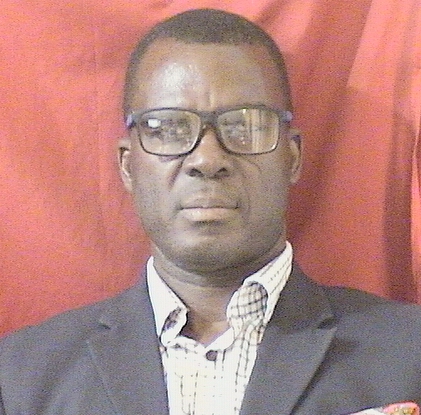
Department of Planning
This researcher focuses on integrating formal policies with their social and environmental influences across diverse domains, examining how taxation and compliance affect informal economic activities while assessing the energy and environment's impact on sustainable development and recovery post-pandemic.
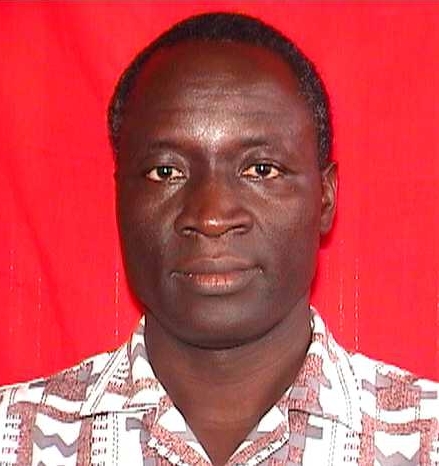
Department of Planning
The researcher has made significant contributions to understanding urban and rural development challenges across multiple domains, particularly in sustainability, policy, and environmental impact. Their work spans themes such as urban agriculture, energy policies, mining practices, child nutrition, and public health, reflecting a comprehensive approach to addressing social and environmental issues in African contexts.
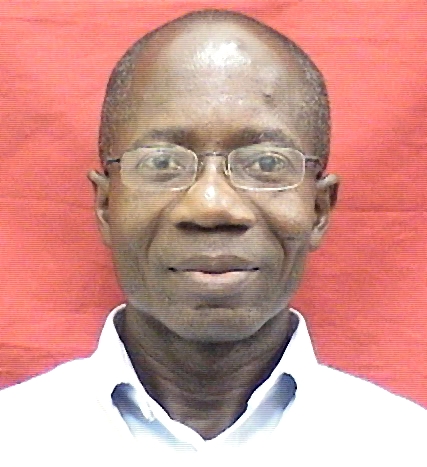
Department of Planning
The researcher's work is centered on addressing Ghana's hydrological challenges by synthesizing a comprehensive approach to flood risk assessment and management. Their research integrates methodologies from various domains, including urban planning, disaster response, education, land policy-making, and community engagement, particularly focusing on gendered roles in agriculture, traditional practices, climate change, and global health. The goal is to develop integrated strategies that address flood risks through a blend of hydrological understanding, community connection, environmental management, and global health solutions.

Department of Planning
The researcher's work integrates socio-economic factors with physical and environmental sciences to explore how these elements shape urban, rural, transportation, education, waste management, nutrition, infrastructure, sustainability, and policy-making in Ghana. Through various thematic studies across themes 1 (urban growth), 2, 3, 4, 5, 6-8, 9, 10, 11, 12, 13, the researcher aims to uncover the complexities of socio-economic determinants influencing environmental and social outcomes.

Department of Planning
The researcher has conducted extensive work across diverse themes, focusing on the integration of hydrocarbon-stapled peptide helices in biochemical processes. Their research encompasses chemical synthesis for cellular functions, such as the uptake and GTPase signaling roles, inhibition of oncogenic KRAS, and their involvement in autophagy-mediated neurodegeneration. Additionally, they have contributed to understanding the role of RNA interference pathways, including the function of proteins like TRiC/CCT. Their work also extends to diabetes treatment with specific peptide agonists and heat shock protein research for cell division.
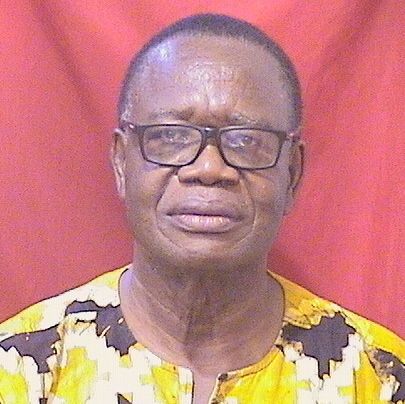
Department of Planning
The researcher's work focuses on examining various socio-political factors that influence microfinance, labor dynamics, urban development challenges, public utilities management, local government finances, and income inequality in developing countries. This comprehensive study aims to explore how financial inclusion, labor movements, and economic disparities impact small and medium enterprises, labor rights, urban planning, public utility management, governance structures, and income distribution, providing insights into socio-political dynamics that influence development efforts.
Department of Planning
The researcher's comprehensive research focuses on diverse socio-economic themes across Ghana, encompassing urban development challenges, psychological well-being, transportation accessibility, mining practices, housing economics, safety analysis, environmental risks due to climate change, transport planning, and labor dynamics. The study integrates interdisciplinary approaches, examining socio-economic factors, spatial-temporal patterns, policy implications, technological innovations, and community resilience strategies across various domains such as urban areas, rural communities, and the environment.
Department of Planning
The researcher has focused extensively on the topic of Urban and Rural Development Challenges, with a particular emphasis on Physical Development in peri-urban areas of KUM asi, GHAN A.
Department of Planning
The researcher's work encompasses a comprehensive exploration of human behavior, societal structures, environmental impacts, legal frameworks, urban policies, and their effects on job satisfaction. This interdisciplinary approach spans various fields such as psychological well-being, urban transport accessibility, environmental education sustainability, land rights, flood risk management, urban development challenges, nursing methodologies, place attachment, urban logistics, and education systems with policy implications.

Department of Planning
The researcher's work centers on understanding the multifaceted issues shaping urban and regional development across several domains. Key themes include challenges in urban planning, the role of green spaces in improving environmental health, social progress through education and labor dynamics, transportation infrastructure, climate change impacts, resource management, energy use, and the integration of technology in sustainable cities. The research employs a comprehensive approach from physical sciences to social sciences, examining various aspects such as land use, education, energy systems, public transport, urban planning, environmental education, disaster management, resource scarcity, gender roles, urban agriculture, transportation logistics, community development, and policy frameworks. This integrated study aims to provide insights into the interplay between urban challenges, sustainability practices, and social equity.

Department of Planning
The research integrates sustainable urban practices across multiple domains, focusing on integrating human-centered themes with social-ecological systems. It explores health and ecosystems in urban settings, enhances transport efficiency for better environmental outcomes, leverages eco-friendly infrastructure, promotes financial inclusion, encourages technology adoption, and addresses climate change through green spaces. This integrated approach examines the complexities of modern urban development, emphasizing sustainability across physical, social, and economic dimensions.
Department of Planning
The researcher's work integrates themes of urban development challenges, land use implications, and environmental health issues across various domains. The focus on urban agriculture and its effects on land use highlights how farming activities influence spatial planning and sustainable practices. Additionally, the integration of water management practices underscores their impact on health and well-being. Land use and ecosystem services delve into the role of green spaces in contributing to food security and ecological balance, while addressing issues related to rapid urbanization's impact on health. These areas collectively demonstrate how urban challenges and environmental management intersect across various domains, offering a comprehensive view of Ghanaian sustainability efforts.