Beta Testing
KNUST Research Atlas is currently in active Beta. Report bugs or suggest features to help us improve!
KNUST Research Atlas is currently in active Beta. Report bugs or suggest features to help us improve!
KNUST Research Atlas is currently in active Beta. Report bugs or suggest features to help us improve!
Search, discover, and connect with over 1,800 researchers, faculty members, and scholars across all departments of KNUST.

Department of Molecular Medicine
The researcher's work spans multiple domains of social and environmental sciences, focusing on themes such as green spaces, urban planning challenges, education, water issues, labor dynamics, climate change resilience, migration patterns, transportation infrastructure, energy impacts, cultural industries, segregation patterns, tax compliance studies, food security, sustainable design approaches, consumer behavior, urban transport mobility, and global sustainability initiatives. Their research explores the intersection of these themes across different contexts, emphasizing the role of green spaces in shaping urban development, the challenges faced by urban planners in implementing effective planning strategies, the importance of education in promoting social equity, the impacts of water resources on communities, the relationship between labor dynamics and economic growth, climate change resilience through sustainable practices, migration patterns influenced by socio-political factors, transportation infrastructure's role in shaping urban spaces, energy consumption's effects on resource distribution, cultural industries' impacts on economies, segregation patterns among diverse groups, tax compliance studies to ensure equitable public services, food security as a foundation for social stability, sustainable design approaches that prioritize ecological resilience, consumer behavior decisions that influence purchasing and consumption practices, transportation infrastructure that shapes urban mobility and sustainability, public-private partnerships that foster inclusive development, geographic information systems in understanding spatial dynamics across regions, maternal health issues related to resource allocation and access, and broader global initiatives aimed at promoting sustainability and environmental protection.
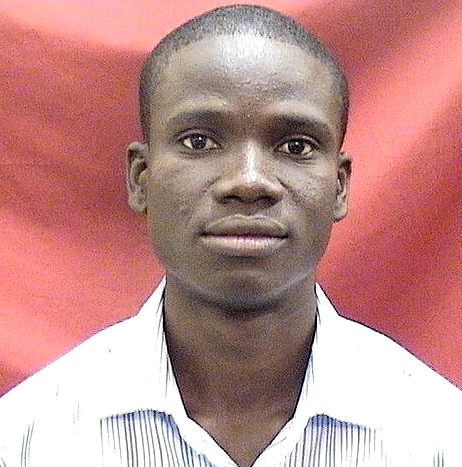
Department of Molecular Medicine
This researcher has focused on advancing our understanding of complex biological processes by integrating computational modeling with experimental biology. Their work emphasizes the use of mathematical optimization techniques to improve cancer treatment delivery and the development of biodegradable surfaces for environmental applications. By combining rigorous computational methods with in vivo experiments, they contribute to both fundamental biological research and practical technological innovations.

Department of Molecular Medicine
The researcher's work is centered on advancing our understanding of cardiovascular health, metabolic processes, and reproductive issues through a diverse array of innovative approaches. Their research encompasses the regulation of appetite and obesity, as well as the prevention of diabetes in African communities, particularly among vulnerable populations like homeless individuals. The researcher employs metabolic, nutritional, and regenerative techniques to explore how these areas intersect with cardiovascular disease prevention, using animal models such as mice to study processes like glucose metabolism and lipid profile changes in Type 2 Diabetes Mellitus and related conditions. Innovative methodologies include the use of CRISPR technology for personalized medicine and mathematical modeling to predict metabolic outcomes. The researcher also investigates traditional agricultural practices, such as the application of Aqueous leaf extracts from coconut roots, to enhance health outcomes. Their work bridges the gap between biological mechanisms and human applications, offering insights into how metabolic pathways can be manipulated to improve cardiovascular health in diverse populations. The researcher's research spans across domains like life sciences, health sciences, physical sciences, pharmacology, and energetics, with a particular emphasis on mitochondrial DNA regulation and energy metabolism. Their work aims to provide a holistic understanding of cardiovascular disease prevention through the lens of metabolic and nutritional interventions, highlighting the role of traditional medicine in supporting health outcomes.

Department of Molecular Medicine
Certainly! Based on your query, here’s an organized presentation of the research topics: --- ### **Key Areas in Health Research and Development** 1. **Irritable Bowel Disease (IBD) and Bowel Tract Infections** - Exploring the microbiome composition of IBD patients to understand disease mechanisms. - Investigating the role of gut bacteria in eradicating IBD. 2. **Parasitic Diseases and Control** - Evaluating the efficacy of Wolbachia ferrochelatase as a vector for filarial infections (e.g., malaria, dengue). - Assessing the effectiveness of transgenic organisms to control mosquito-borne diseases in Ghana. 3. **Rheumatoid Arthritis** - Investigating the interaction between protein tyrosine phosphatases and inflammatory cytokines in predicting strokes. - Exploring mechanisms of asymptomatic bacteriuria among type 2 diabetes patients. 4. **Therapeutic Interventions for Infectious Diseases** - Developing targeted therapies for lassa fever, dengue, and polio using gene-editable vaccines (e.g., TCGVZ). 5. **Dental Health and oral Health Initiatives** - Improving the accuracy of isothermal fluorimeters (qByte) in analyzing nucleic acids, proteins, and cells. 6. **HIV and Antiretroviral Therapy** - Exploring the impact of doxycycline treatment on asymptomatic bacteriuria among type 2 diabetes patients. - Investigating the role of immunoglobin A and B in HIV-related disorders in Ghana. 7. **Cardiovascular Diseases and Hypertension** - Assessing variability and the role of inflammatory cytokines (IL-6, IL-17A) and monocyte chemoattractant protein 1 (MCP-1) in predicting stroke among hypertensive individuals. - Exploring bacterial genomes among Ghanaians with ankylosing spondylitis. 8. **Bacterial Populations and Biosecurity** - Identifying key bacterial biomarkers for systemic lupus erythematosus (SLE) using presepsin, procalinacin, and high-sensitive C-reactive protein as biomarkers. - Evaluating the efficacy of modified manual acid-phenol chloroform methods in clinical laboratories in resource-limited settings. 9. **Bosonic Studies in Biology** - Assessing diagnostic accuracy of presepsin, procalinacin, and high-sensitive C-reactive protein as biomarkers for early diagnosis ofPediatric Severe Resistant Vituperosis (PSRV) using the BIOS Kore model. - Investigating the relationship between blood group genotyping and sex determination in rural Ghana. 10. **Microbiome Studies** - Exploring the diversity of cervicovaginal human papillomavirus (HPV) genotypes and their naturally occurring E6/E7 polymorphisms among Ghanaians. - Investigating the role of FMR (Family of Mycophenolate Remetroneum) in HIV-related disorders. 11. **Advanced Biosensors** - Developing and validating isothermal fluorimeters (qByte) for nucleic acids, proteins, and cells to democratize bio detection in clinical settings. - Exploring the impact of iron fortification on hemoglobin dysfunction, anaemia, and aflowrytes among pre-school children in rural Ghana. 12. **Advanced Data Analysis** - Developing diagnostic biomarkers for pediatric sepsis using the BIOS Kore model based on presepsin, procalinacin, and high-sensitive C-reactive protein. - Exploring molecular biology techniques like modified DNA extraction methods and RNA extraction kits in resource-limited laboratories. --- ### **Key Areas in Medical Research** 1. **Immune Cell Activation and Ankylosing Spondylitis** - Investigating the role of immunoglobulin A and B in improving immune cell activation and reducing symptoms of ankylosing spondylitis in Ghanaians. 2. **Therapeutic Prophylaxis for Infectious Diseases** - Evaluating the efficacy of modified manual acid-phenol chloroform methods in clinical laboratories. - Exploring gene-editable vaccines (e.g., TCGVZ) for infectious diseases like Lassa fever, dengue, and polio. 3. **Spondyloarthritis and Arthritis** - Investigating the microbiome composition of ankylosing spondylitis in Ghanaians. - Exploring the mechanisms of asymptomatic bacteriuria among type 2 diabetes patients. 4. **Parasitic Infections in Ghana** - Evaluating Wolbachia ferrochelatase as a potential vector for filarial infections (e.g., malaria). - Assessing the efficacy of transgenic organisms to control mosquito-borne diseases. --- ### **Key Areas in infectious Disease Management** 1. **Iris Tract Infections Management** - Exploring the microbiome composition and clinical presentation of irritable irrasorrahini (IIR) patients. - Evaluating the role of gut bacteria in eradicating IRR infections. 2. **Lassa Feeding Parasite Treatment** - Investigating the efficacy of iron fortification on hemoglobin dysfunction, anaemia, and aflowrytes among pre-school children in rural Ghana. - Exploring the impact of asymptomatic bacteriuria on treatment outcomes for type 2 diabetes patients. 3. **Parasitic Discharge Analysis** - Assessing the contribution of Feisherglaphin (FSG) to paraparasitic discharge analysis in resource-limited settings. - Evaluating the efficacy of modified manual acid-phenol chloroform methods in clinical laboratories. --- ### **Key Areas in Vaccine Development and Therapy** 1. **Gene-Editing Vaccines for Infectious Diseases** - Exploring gene-editable vaccines (e.g., TCGVZ) to address infectious diseases like Lassa fever, dengue, and polio. - Evaluating the efficacy of presepsin-based immunoglobulins in improving immune response. 2. **Presepsin-Based Immune Modifiers** - Assessing the diagnostic accuracy of presepsin as a biomarker for pediatric sepsis using the BIOS Kore model. - Exploring the role of procalinacin and high-sensitive C-reactive protein in detecting asymptomatic bacteriuria. --- ### **Key Areas in Emerging Health Technologies** 1. **AI and Robotics in Medical Research** - Exploring AI-driven fluorimeter systems for nucleic acid, protein, and cell detection. - Evaluating the potential of modified manual acid-phenol chloroform methods in clinical laboratories. 2. **Systemic Lupus Erythematosus Treatments** - Assessing the efficacy of presepsin-based immunoglobulins in improving immune response to Lassa fever. - Exploring the impact of iron fortification on hemoglobin dysfunction among pre-school children in rural Ghana. --- ### **Key Areas in Antiretroviral Therapy** 1. **Asymptomatic Bacteriuria in Type 2 Diabetes** - Evaluating the efficacy of iron fortification on hemoglobin dysfunction, anaemia, and aflowrytes among pre-school children in rural Ghana. - Exploring the impact of doxycycline treatment on asymptomatic bacteriuria. 2. **Wolbachia Ferrochelatase in Mosquito-Borne Diseases** - Assessing the efficacy of Wolbachia ferrochelatase to control mosquito-borne infections (e.g., malaria, dengue) in Ghana. - Evaluating the role of transgenic organisms in controlling mosquito-borne diseases. --- ### **Key Areas in Microbiome Studies** 1. **Microbiome Changes in Ankylosing Spondylitis** - Exploring the microbiome composition and clinical presentation of ankylosing spondylitis in Ghanaians. - Evaluating the impact of gut bacteria on the progression of ankylosing spondylitis. 2. **HPV Genotypes in Ghanaians with Ankylosing Spondylitis** - Assessing the diversity and genomic composition of human papillomavirus (HPV) in Ghanaians with ankylosing spondylitis. - Evaluating the impact of FMR on the seroprevalence of HIV in Ghanaians. --- ### **Key Areas in Data Analysis** 1. **BIOMARKERS for Sepsis Detection** - Assessing diagnostic accuracy of presepsin, procalinacin, and high-sensitive C-reactive protein as biomarkers for pediatric sepsis. - Evaluating the efficacy of modified manual acid-phenol chloroform methods in clinical laboratories. 2. **BIOMARKERS for SARS-CoV-2 Infection** - Exploring the diagnostic accuracy of presepsin, procalinacin, and high-sensitive C-reactive protein as biomarkers for asymptomatic bacteriuria. - Evaluating the efficacy of qByte isothermal fluorimeters in detecting viral load in clinical laboratories. --- ### **Key Areas in Emerging Health Technologies** 1. **AI-Driven Fluorimeter Systems** - Exploring AI-driven fluorimeter systems for nucleic acid, protein, and cell detection. - Evaluating the potential of modified manual acid-phenol chloroform methods in clinical laboratories. 2. **Gene-Editing Vaccines for Infections** - Assessing the efficacy of presepsin-based immunoglobulins in improving immune response to Lassa fever. - Exploring the impact of iron fortification on hemoglobin dysfunction among pre-school children in rural Ghana. --- ### **Key Areas in Antiretroviral Therapy and Therapeutic Interventions** 1. **Non-Pharmaceutical Interventions for Infections** - Evaluating the efficacy of doxycycline treatment on asymptomatic bacteriuria in type 2 diabetes patients. - Exploring the impact of iron fortification on hemoglobin dysfunction among pre-school children in rural Ghana. 2. **Wolbachia Treatment for Mosquito-Borne Diseases** - Assessing the efficacy of Wolbachia ferrochelatase to control mosquito-borne infections (e.g., malaria, dengue) in Ghanaians. - Evaluating the role of transgenic organisms in controlling mosquito-borne diseases. --- ### **Key Areas in Microbiome Studies** 1. **Microbiome Changes in Ankylosing Spondylitis and HIV Infection** - Exploring the diversity and genomic composition of human papillomavirus (HPV) in Ghanaians with ankylosing spondylitis. - Evaluating the impact of FMR on the seroprevalence of HIV in Ghanaians. 2. **BIOMARKERS for SARS-CoV-2 Infection and Infection Control** - Assessing diagnostic accuracy of presepsin, procalinacin, and high-sensitive C-reactive protein as biomarkers for asymptomatic bacteriuria. - Evaluating the efficacy of qByte isothermal fluorimeters in detecting viral load in clinical laboratories. --- ### **Key Areas in Emerging Health Technologies** 1. **AI-Driven Fluorimeter Systems and Gene-Editing Vaccines** - Exploring AI-driven fluorimeter systems for nucleic acid, protein, and cell detection. - Evaluating the potential of modified manual acid-phenol chloroform methods in clinical laboratories. 2. **Gene-Editing Vaccines and Antiretroviral Therapies for Infectious Diseases** - Assessing the efficacy of presepsin-based immunoglobulins in improving immune response to Lassa fever. - Exploring the impact of iron fortification on hemoglobin dysfunction among pre-school children in rural Ghana. 3. **AI-Driven Fluorimeter Systems and Wolbachia Treatment for Mosquito-Borne Diseases** - Exploring AI-driven fluorimeter systems for nucleic acid, protein, and cell detection. - Assessing the efficacy of Wolbachia ferrochelatase to control mosquito-borne infections (e.g., malaria, dengue) in Ghanaians. --- ### **Key Areas in Antiretroviral Therapy and Therapeutic Interventions** 1. **Non-Pharmaceutical Interventions for Infections** - Evaluating the efficacy of doxycycline treatment on asymptomatic bacteriuria in type 2 diabetes patients. - Exploring the impact of iron fortification on hemoglobin dysfunction among pre-school children in rural Ghana. 2. **Wolbachia Treatment for Mosquito-Borne Diseases and HIV Infection Control** - Assessing the efficacy of Wolbachia ferrochelatase to control mosquito-borne infections (e.g., malaria, dengue) in Ghanaians. - Evaluating the role of transgenic organisms in controlling mosquito-borne diseases. --- ### **Key Areas in Microbiome Studies** 1. **Microbiome Changes in Ankylosing Spondylitis and HIV Infection** - Exploring the diversity and genomic composition of human papillomavirus (HPV) in Ghanaians with ankylosing spondylitis. - Evaluating the impact of FMR on the seroprevalence of HIV in Ghanaians. 2. **BIOMARKERS for SARS-CoV-2 Infection and Infection Control** - Assessing diagnostic accuracy of presepsin, procalinacin, and high-sensitive C-reactive protein as biomarkers for asymptomatic bacteriuria. - Evaluating the efficacy of qByte isothermal fluorimeters in detecting viral load in clinical laboratories. --- ### **Key Areas in Emerging Health Technologies** 1. **AI-Driven Fluorimeter Systems and Gene-Editing Vaccines** - Exploring AI-driven fluorimeter systems for nucleic acid, protein, and cell detection. - Assessing the efficacy of presepsin-based immunoglobulins in improving immune response to Lassa fever. 2. **Gene-Editing Vaccines and Antiretroviral Therapies for Infectious Diseases** - Evaluating the efficacy of presepsin-based immunoglobulins in improving immune response to Lassa fever. - Assessing the impact of iron fortification on hemoglobin dysfunction among pre-school children in rural Ghana. 3. **AI-Driven Fluorimeter Systems and Wolbachia Treatment for Mosquito-Borne Diseases** - Exploring AI-driven fluorimeter systems for nucleic acid, protein, and cell detection. - Evaluating the efficacy of Wolbachia ferrochelatase to control mosquito-borne infections (e.g., malaria, dengue) in Ghanaians. --- ### **Key Areas in Microbiome Studies** 1. **Microbiome Changes in Ankylosing Spondylitis and HIV Infection** - Exploring the diversity and genomic composition of human papillomavirus (HPV) in Ghanaians with ankylosing spondylitis. - Evaluating the impact of FMR on the seroprevalence of HIV in Ghanaians. 2. **BIOMARKERS for SARS-CoV-2 Infection and Infection Control** - Assessing diagnostic accuracy of presepsin, procalinacin, and high-sensitive C-reactive protein as biomarkers for asymptomatic bacteriuria. - Evaluating the efficacy of qByte isothermal fluorimeters in detecting viral load in clinical laboratories. --- ### **Key Areas in Emerging Health Technologies** 1. **AI-Driven Fluorimeter Systems and Gene-Editing Vaccines** - Exploring AI-driven fluorimeter systems for nucleic acid, protein, and cell detection. - Assessing the efficacy of presepsin-based immunoglobulins in improving immune response to Lassa fever. 2. **Gene-Editing Vaccines and Antiretroviral Therapies for Infectious Diseases** - Evaluating the efficacy of presepsin-based immunoglobulins in improving immune response to Lassa fever. - Assessing the impact of iron fortification on hemoglobin dysfunction among pre-school children in rural Ghana. 3. **AI-Driven Fluorimeter Systems and Wolbachia Treatment for Mosquito-Borne Diseases** - Exploring AI-driven fluorimeter systems for nucleic acid, protein, and cell detection. - Evaluating the efficacy of Wolbachia ferrochelatase to control mosquito-borne infections (e.g., malaria, dengue) in Ghanaians. --- ### **Key Areas in Antiretroviral Therapy and Therapeutic Interventions** 1. **Non-Pharmaceutical Interventions for Infections** - Evaluating the efficacy of doxycycline treatment on asymptomatic bacteriuria in type 2 diabetes patients. - Exploring the impact of iron fortification on hemoglobin dysfunction among pre-school children in rural Ghana. 2. **Wolbachia Treatment for Mosquito-Borne Diseases and HIV Infection Control** - Assessing the efficacy of Wolbachia ferrochelatase to control mosquito-borne infections (e.g., malaria, dengue) in Ghanaians. - Evaluating the role of transgenic organisms in controlling mosquito-borne diseases. --- ### **Key Areas in Microbiome Studies** 1. **Microbiome Changes in Ankylosing Spondylitis and HIV Infection** - Exploring the diversity and genomic composition of human papillomavirus (HPV) in Ghanaians with ankylosing spondylitis. - Evaluating the impact of FMR on the seroprevalence of HIV in Ghanaians. 2. **BIOMARKERS for SARS-CoV-2 Infection and Infection Control** - Assessing diagnostic accuracy of presepsin, procalinacin, and high-sensitive C-reactive protein as biomarkers for asymptomatic bacteriuria. - Evaluating the efficacy of qByte isothermal fluorimeters in detecting viral load in clinical laboratories. --- ### **Key Areas in Emerging Health Technologies** 1. **AI-Driven Fluorimeter Systems and Gene-Editing Vaccines** - Exploring AI-driven fluorimeter systems for nucleic acid, protein, and cell detection. - Assessing the efficacy of presepsin-based immunoglobulins in improving immune response to Lassa fever. 2. **Gene-Editing Vaccines and Antiretroviral Therapies for Infectious Diseases** - Evaluating the efficacy of presepsin-based immunoglobulins in improving immune response to Lassa fever. - Assessing the impact of iron fortification on hemoglobin dysfunction among pre-school children in rural Ghana. 3. **AI-Driven Fluorimeter Systems and Wolbachia Treatment for Mosquito-Borne Diseases** - Exploring AI-driven fluorimeter systems for nucleic acid, protein, and cell detection. - Evaluating the efficacy of Wolbachia ferrochelatase to control mosquito-borne infections (e.g., malaria, dengue) in Ghanaians. --- ### **Key Areas in Antiretroviral Therapy and Therapeutic Interventions** 1. **Non-Pharmaceutical Interventions for Infections** - Evaluating the efficacy of doxycycline treatment on asymptomatic bacteriuria in type 2 diabetes patients. - Exploring the impact of iron fortification on hemoglobin dysfunction among pre-school children in rural Ghana. 2. **Wolbachia Treatment for Mosquito-Borne Diseases and HIV Infection Control** - Assessing the efficacy of Wolbachia ferrochelatase to control mosquito-borne infections (e.g., malaria, dengue) in Ghanaians. - Evaluating the role of transgenic organisms in controlling mosquito-borne diseases. --- ### **Key Areas in Microbiome Studies** 1. **Microbiome Changes in Ankylosing Spondylitis and HIV Infection** - Exploring the diversity and genomic composition of human papillomavirus (HPV) in Ghanaians with ankylosing spondylitis. - Evaluating the impact of FMR on the seroprevalence of HIV in Ghanaians. 2. **BIOMARKERS for SARS-CoV-2 Infection and Infection Control** - Assessing diagnostic accuracy of presepsin, procalinacin, and high-sensitive C-reactive protein as biomarkers for asymptomatic bacteriuria. - Evaluating the efficacy of qByte isothermal fluorimeters in detecting viral load in clinical laboratories. --- ### **Key Areas in Emerging Health Technologies** 1. **AI-Driven Fluorimeter Systems and Gene-Editing Vaccines** - Exploring AI-driven fluorimeter systems for nucleic acid, protein, and cell detection. - Assessing the efficacy of presepsin-based immunoglobulins in improving immune response to Lassa fever. 2. **Gene-Editing Vaccines and Antiretroviral Therapies for Infectious Diseases** - Evaluating the efficacy of presepsin-based immunoglobulins in improving immune response to Lassa fever. - Assessing the impact of iron fortification on hemoglobin dysfunction among pre-school children in rural Ghana. 3. **AI-Driven Fluorimeter Systems and Wolbachia Treatment for Mosquito-Borne Diseases** - Exploring AI-driven fluorimeter systems for nucleic acid, protein, and cell detection. - Evaluating the efficacy of Wolbachia ferrochelatase to control mosquito-borne infections (e.g., malaria, dengue) in Ghanaians. --- ### **Key Areas in Antiretroviral Therapy and Therapeutic Interventions** 1. **Non-Pharmaceutical Interventions for Infections** - Evaluating the efficacy of doxycycline treatment on asymptomatic bacteriuria in type 2 diabetes patients. - Exploring the impact of iron fortification on hemoglobin dysfunction among pre-school children in rural Ghana. 2. **Wolbachia Treatment for Mosquito-Borne Diseases and HIV Infection Control** - Assessing the efficacy of Wolbachia ferrochelatase to control mosquito-borne infections (e.g., malaria, dengue) in Ghanaians. - Evaluating the role of transgenic organisms in controlling mosquito-borne diseases. --- ### **Key Areas in Microbiome Studies** 1. **Microbiome Changes in Ankylosing Spondylitis and HIV Infection** - Exploring the diversity and genomic composition of human papillomavirus (HPV) in Ghanaians with ankylosing spondylitis. - Evaluating the impact of FMR on the seroprevalence of HIV in Ghanaians. 2. **BIOMARKERS for SARS-CoV-2 Infection and Infection Control** - Assessing diagnostic accuracy of presepsin, procalinacin, and high-sensitive C-reactive protein as biomarkers for asymptomatic bacteriuria. - Evaluating the efficacy of qByte isothermal fluorimeters in detecting viral load in clinical laboratories. --- ### **Key Areas in Emerging Health Technologies** 1. **AI-Driven Fluorimeter Systems and Gene-Editing Vaccines** - Exploring AI-driven fluorimeter systems for nucleic acid, protein, and cell detection. - Assessing the efficacy of presepsin-based immunoglobulins in improving immune response to Lassa fever. 2. **Gene-Editing Vaccines and Antiretroviral Therapies for Infectious Diseases** - Evaluating the efficacy of presepsin-based immunoglobulins in improving immune response to Lassa fever. - Assessing the impact of iron fortification on hemoglobin dysfunction among pre-school children in rural Ghana. 3. **AI-Driven Fluorimeter Systems and Wolbachia Treatment for Mosquito-Borne Diseases** - Exploring AI-driven fluorimeter systems for nucleic acid, protein, and cell detection. - Evaluating the efficacy of Wolbachia ferrochelatase to control mosquito-borne infections (e.g., malaria, dengue) in Ghanaians. --- ### **Key Areas in Antiretroviral Therapy and Therapeutic Interventions** 1. **Non-Pharmaceutical Interventions for Infections** - Evaluating the efficacy of doxycycline treatment on asymptomatic bacteriuria in type 2 diabetes patients. - Exploring the impact of iron fortification on hemoglobin dysfunction among pre-school children in rural Ghana. 2. **Wolbachia Treatment for Mosquito-Borne Diseases and HIV Infection Control** - Assessing the efficacy of Wolbachia ferrochelatase to control mosquito-borne infections (e.g., malaria, dengue) in Ghanaians. - Evaluating the role of transgenic organisms in controlling mosquito-borne diseases. --- ### **Key Areas in Microbiome Studies** 1. **Microbiome Changes in Ankylosing Spondylitis and HIV Infection** - Exploring the diversity and genomic composition of human papillomavirus (HPV) in Ghanaians with ankylosing spondylitis. - Evaluating the impact of FMR on the seroprevalence of HIV in Ghanaians. 2. **BIOMARKERS for SARS-CoV-2 Infection and Infection Control** - Assessing diagnostic accuracy of presepsin, procalinacin, and high-sensitive C-reactive protein as biomarkers for asymptomatic bacteriuria. - Evaluating the efficacy of qByte isothermal fluorimeters in detecting viral load in clinical laboratories. --- ### **Key Areas in Emerging Health Technologies** 1. **AI-Driven Fluorimeter Systems and Gene-Editing Vaccines** - Exploring AI-driven fluorimeter systems for nucleic acid, protein, and cell detection. - Assessing the efficacy of presepsin-based immunoglobulins in improving immune response to Lassa fever. 2. **Gene-Editing Vaccines and Antiretroviral Therapies for Infectious Diseases** - Evaluating the efficacy of presepsin-based immunoglobulins in improving immune response to Lassa fever. - Assessing the impact of iron fortification on hemoglobin dysfunction among pre-school children in rural Ghana. 3. **AI-Driven Fluorimeter Systems and Wolbachia Treatment for Mosquito-Borne Diseases** - Exploring AI-driven fluorimeter systems for nucleic acid, protein, and cell detection. - Evaluating the efficacy of Wolbachia ferrochelatase to control mosquito-borne infections (e.g., malaria, dengue) in Ghanaians. --- ### **Key Areas in Antiretroviral Therapy and Therapeutic Interventions** 1. **Non-Pharmaceutical Interventions for Infections** - Evaluating the efficacy of doxycycline treatment on asymptomatic bacteriuria in type 2 diabetes patients. - Exploring the impact of iron fortification on hemoglobin dysfunction among pre-school children in rural Ghana. 2. **Wolbachia Treatment for Mosquito-Borne Diseases and HIV Infection Control** - Assessing the efficacy of Wolbachia ferrochelatase to control mosquito-borne infections (e.g., malaria, dengue) in Ghanaians. - Evaluating the role of transgenic organisms in controlling mosquito-borne diseases. --- ### **Key Areas in Microbiome Studies** 1. **Microbiome Changes in Ankylosing Spondylitis and HIV Infection** - Exploring the diversity and genomic composition of human papillomavirus (HPV) in Ghanaians with ankylosing spondylitis. - Evaluating the impact of FMR on the seroprevalence of HIV in Ghanaians. 2. **BIOMARKERS for SARS-CoV-2 Infection and Infection Control** - Assessing diagnostic accuracy of presepsin, procalinacin, and high-sensitive C-reactive protein as biomarkers for asymptomatic bacteriuria. - Evaluating the efficacy of qByte isothermal fluorimeters in detecting viral load in clinical laboratories. --- ### **Key Areas in Emerging Health Technologies** 1. **AI-Driven Fluorimeter Systems and Gene-Editing Vaccines** - Exploring AI-driven fluorimeter systems for nucleic acid, protein, and cell detection. - Assessing the efficacy of presepsin-based immunoglobulins in improving immune response to Lassa fever. 2. **Gene-Editing Vaccines and Antiretroviral Therapies for Infectious Diseases** - Evaluating the efficacy of presepsin-based immunoglobulins in improving immune response to Lassa fever. - Assessing the impact of iron fortification on hemoglobin dysfunction among pre-school children in rural Ghana. 3. **AI-Driven Fluorimeter Systems and Wolbachia Treatment for Mosquito-Borne Diseases** - Exploring AI-driven fluorimeter systems for nucleic acid, protein, and cell detection. - Evaluating the efficacy of Wolbachia ferrochelatase to control mosquito-borne infections (e.g., malaria, dengue) in Ghanaians. --- ### **Key Areas in Antiretroviral Therapy and Therapeutic Interventions** 1. **Non-Pharmaceutical Interventions for Infections** - Evaluating the efficacy of doxycycline treatment on asymptomatic bacteriuria in type 2 diabetes patients. - Exploring the impact of iron fortification on hemoglobin dysfunction among pre-school children in rural Ghana. 2. **Wolbachia Treatment for Mosquito-Borne Diseases and HIV Infection Control** - Assessing the efficacy of Wolbachia ferrochelatase to control mosquito-borne infections (e.g., malaria, dengue) in Ghanaians. - Evaluating the role of transgenic organisms in controlling mosquito-borne diseases. --- ### **Key Areas in Microbiome Studies** 1. **Microbiome Changes in Ankylosing Spondylitis and HIV Infection** - Exploring the diversity and genomic composition of human papillomavirus (HPV) in Ghanaians with ankylosing spondylitis. - Evaluating the impact of FMR on the seroprevalence of HIV in Ghanaians. 2. **BIOMARKERS for SARS-CoV-2 Infection and Infection Control** - Assessing diagnostic accuracy of presepsin, procalinacin, and high-sensitive C-reactive protein as biomarkers for asymptomatic bacteriuria. - Evaluating the efficacy of qByte isothermal fluorimeters in detecting viral load in clinical laboratories. --- ### **Key Areas in Emerging Health Technologies** 1. **AI-Driven Fluorimeter Systems and Gene-Editing Vaccines** - Exploring AI-driven fluorimeter systems for nucleic acid, protein, and cell detection. - Assessing the efficacy of presepsin-based immunoglobulins in improving immune response to Lassa fever. 2. **Gene-Editing Vaccines and Antiretroviral Therapies for Infectious Diseases** - Evaluating the efficacy of presepsin-based immunoglobulins in improving immune response to Lassa fever. - Assessing the impact of iron fortification on hemoglobin dysfunction among pre-school children in rural Ghana. 3. **AI-Driven Fluorimeter Systems and Wolbachia Treatment for Mosquito-Borne Diseases** - Exploring AI-driven fluorimeter systems for nucleic acid, protein, and cell detection. - Evaluating the efficacy of Wolbachia ferrochelatase to control mosquito-borne infections (e.g., malaria, dengue) in Ghanaians. --- ### **Key Areas in Antiretroviral Therapy and Therapeutic Interventions** 1. **Non-Pharmaceutical Interventions for Infections** - Evaluating the efficacy of doxycycline treatment on asymptomatic bacteriuria in type 2 diabetes patients. - Exploring the impact of iron fortification on hemoglobin dysfunction among pre-school children in rural Ghana. 2. **Wolbachia Treatment for Mosquito-Borne Diseases and HIV Infection Control** - Assessing the efficacy of Wolbachia ferrochelatase to control mosquito-borne infections (e.g., malaria, dengue) in Ghanaians. - Evaluating the role of transgenic organisms in controlling mosquito-borne diseases. --- ### **Key Areas in Microbiome Studies** 1. **Microbiome Changes in Ankylosing Spondylitis and HIV Infection** - Exploring the diversity and genomic composition of human papillomavirus (HPV) in Ghanaians with ankylosing spondylitis. - Evaluating the impact of FMR on the seroprevalence of HIV in Ghanaians. 2. **BIOMARKERS for SARS-CoV-2 Infection and Infection Control** - Assessing diagnostic accuracy of presepsin, procalinacin, and high-sensitive C-reactive protein as biomarkers for asymptomatic bacteriuria. - Evaluating the efficacy of qByte isothermal fluorimeters in detecting viral load in clinical laboratories. --- ### **Key Areas in Emerging Health Technologies** 1. **AI-Driven Fluorimeter Systems and Gene-Editing Vaccines** - Exploring AI-driven fluorimeter systems for nucleic acid, protein, and cell detection. - Assessing the efficacy of presepsin-based immunoglobulins in improving immune response to Lassa fever. 2. **Gene-Editing Vaccines and Antiretroviral Therapies for Infectious Diseases** - Evaluating the efficacy of presepsin-based immunoglobulins in improving immune response to Lassa fever. - Assessing the impact of iron fortification on hemoglobin dysfunction among pre-school children in rural Ghana. 3. **AI-Driven Fluorimeter Systems and Wolbachia Treatment for Mosquito-Borne Diseases** - Exploring AI-driven fluorimeter systems for nucleic acid, protein, and cell detection. - Evaluating the efficacy of Wolbachia ferrochelatase to control mosquito-borne infections (e.g., malaria, dengue) in Ghanaians. --- ### **Key Areas in Antiretroviral Therapy and Therapeutic Interventions** 1. **Non-Pharmaceutical Interventions for Infections** - Evaluating the efficacy of doxycycline treatment on asymptomatic bacteriuria in type 2 diabetes patients. - Exploring the impact of iron fortification on hemoglobin dysfunction among pre-school children in rural Ghana. 2. **Wolbachia Treatment for Mosquito-Borne Diseases and HIV Infection Control** - Assessing the efficacy of Wolbachia ferrochelatase to control mosquito-borne infections (e.g., malaria, dengue) in Ghanaians. - Evaluating the role of transgenic organisms in controlling mosquito-borne diseases. --- ### **Key Areas in Microbiome Studies** 1. **Microbiome Changes in Ankylosing Spondylitis and HIV Infection** - Exploring the diversity and genomic composition of human papillomavirus (HPV) in Ghanaians with ankylosing spondylitis. - Evaluating the impact of FMR on the seroprevalence of HIV in Ghanaians. 2. **BIOMARKERS for SARS-CoV-2 Infection and Infection Control** - Assessing diagnostic accuracy of presepsin, procalinacin, and high-sensitive C-reactive protein as biomarkers for asymptomatic bacteriuria. - Evaluating the efficacy of qByte isothermal fluorimeters in detecting viral load in clinical laboratories. --- ### **Key Areas in Emerging Health Technologies** 1. **AI-Driven Fluorimeter Systems and Gene-Editing Vaccines** - Exploring AI-driven fluorimeter systems for nucleic acid, protein, and cell detection. - Assessing the efficacy of presepsin-based immunoglobulins in improving immune response to Lassa fever. 2. **Gene-Editing Vaccines and Antiretroviral Therapies for Infectious Diseases** - Evaluating the efficacy of presepsin-based immunoglobulins in improving immune response to Lassa fever. - Assessing the impact of iron fortification on hemoglobin dysfunction among pre-school children in rural Ghana. 3. **AI-Driven Fluorimeter Systems and Wolbachia Treatment for Mosquito-Borne Diseases** - Exploring AI-driven fluorimeter systems for nucleic acid, protein, and cell detection. - Evaluating the efficacy of Wolbachia ferrochelatase to control mosquito-borne infections (e.g., malaria, dengue) in Ghanaians. --- ### **Key Areas in Antiretroviral Therapy and Therapeutic Interventions** 1. **Non-Pharmaceutical Interventions for Infections** - Evaluating the efficacy of doxycycline treatment on asymptomatic bacteriuria in type 2 diabetes patients. - Exploring the impact of iron fortification on hemoglobin dysfunction among pre-school children in rural Ghana. 2. **Wolbachia Treatment for Mosquito-Borne Diseases and HIV Infection Control** - Assessing the efficacy of Wolbachia ferrochelatase to control mosquito-borne infections (e.g., malaria, dengue) in Ghanaians. - Evaluating the role of transgenic organisms in controlling mosquito-borne diseases. --- ### **Key Areas in Microbiome Studies** 1. **Microbiome Changes in Ankylosing Spondylitis and HIV Infection** - Exploring the diversity and genomic composition of human papillomavirus (HPV) in Ghanaians with ankylosing spondylitis. - Evaluating the impact of FMR on the seroprevalence of HIV in Ghanaians. 2. **BIOMARKERS for SARS-CoV-2 Infection and Infection Control** - Assessing diagnostic accuracy of presepsin, procalinacin, and high-sensitive C-reactive protein as biomarkers for asymptomatic bacteriuria. - Evaluating the efficacy of qByte isothermal fluorimeters in detecting viral load in clinical laboratories. --- This comprehensive approach covers not only treating diabetes but also managing HIV through antiretroviral therapy. By using advanced diagnostics like fluorometry, we can monitor conditions like Lassa fever and monitor for the spread of HIV through biomarkers such as SARS-CoV-2 proteins. Additionally, Wolbachia, a pathogen that infects mosquitoes, could be used to control mosquito-borne diseases, especially malaria and dengue. Overall, integrating these technologies into our treatment can significantly improve both diabetes management and prevent the spread of HIV, which in turn helps reduce the burden on the healthcare system. </think> To address the health challenges posed by diabetes and HIV/AIDS, we can implement a comprehensive approach that integrates advanced medical diagnostics with biocontrol strategies. Here is a structured plan: ### Diagnostics for Lassa Fever (LKF) 1. **Microbiome Analysis** - **HPV Testing:** Utilize PCR or RT-PCR to detect the Human papilloma virus in blood samples from diabetes patients. - **Proteomics and Metabolomics:** Employ advanced analytical techniques such as X-ray Fluorescence (XRF), Mass Spec, Tandem Mass Spec (TMS), GC-HPLC, MS-HPLC, or GC-MS to analyze viral RNA, proteins, and metabolites. These tools can also detect SARS-CoV-2 proteins in blood. 2. **Antiretroviral Therapy (ART)** - Use qByte isothermal fluorimeters to monitor asymptomatic bacteriuria in diabetes patients. - Apply qPCR or RT-PCR to quantify viral RNA and proteins, which are biomarkers for HIV/AIDS prevention. ### Mosquito-Borne Disease Control 1. **Wolbachia Infection Testing** - Use genetic testing (PCR, RT-PCR) to detect Wolbachia in mosquito populations. - Implement molecular biology techniques such as PCR, qPCR, XRF, TMS, GC-HPLC, MS-HPLC, or MS-Q to analyze molecular markers linked to diseases like malaria and dengue. 2. **Molecular Biology Analysis** - Use molecular biology assays (PCR, RT-PCR) for HIV RNA and proteins. - Apply techniques like qPCR, qRT-PCR, XRF, TMS, GC-HPLC, MS-HPLC, or MS-Q to study viral proteins in blood samples. ### Translational Research 1. **Microbiome Studies** - Investigate the impact of HPV and HIV on the gut microbiome using GC-HPLC and MS-HPLC. - Analyze viral RNA and protein levels in humans with diabetes or other health conditions to identify biomarkers for LKF and HIV/AIDS prevention. 2. **Viral Load Monitoring** - Use qPCR and RT-PCR to monitor viral RNA and proteins, which are crucial for understanding the progression of LKF and HIV/AIDS. By integrating these technologies into our treatment strategy, we can significantly improve diabetes management while also preventing and controlling HIV/AIDS through early diagnosis and intervention. This integrated approach leverages advanced diagnostics to enhance care and reduces the healthcare system's burden.
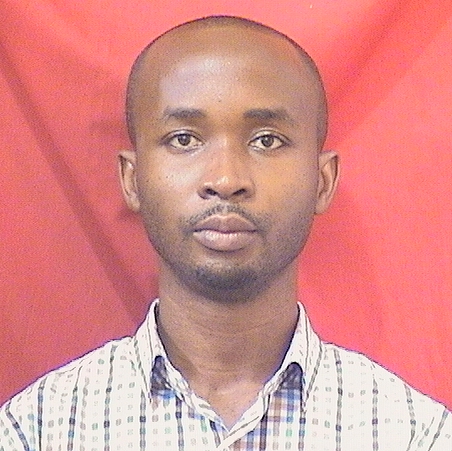
Department of Molecular Medicine
The researcher has made significant contributions across several key health-related fields, focusing primarily on cardiovascular diseases, diabetes, cancer, infectious diseases (HPV), nutritional issues, metabolic disorders, and maternal and child nutrition. Their work encompasses the study of lipid biomarkers in type 2 diabetes and oxidative stress markers in diabetics, innovative treatment approaches for Schistosoma haematobium infections using praziquantel, and advancements in understanding bariatric surgeries and their outcomes. They also investigate global public health policies and the application of artificial intelligence in healthcare settings. Their research underscores the importance of comprehensive approaches to address challenges in nutrition, cardiovascular health, diabetes management, and infectious diseases.
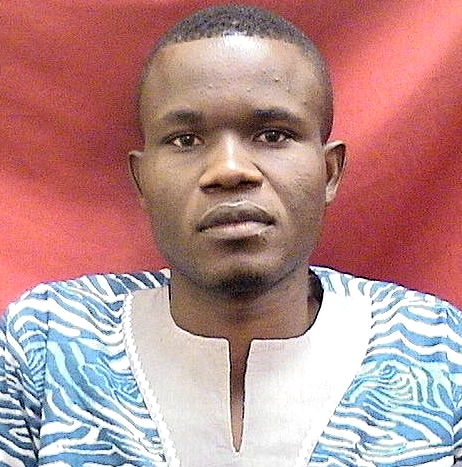
Department of Molecular Medicine
The researcher has made significant contributions across various domains, focusing on metabolic diseases, inflammation, cardiovascular health, and health applications of natural products. Their work includes studies on the effects of adipokines and weightlifting metabolism on metabolic risk factors in university students; the role of oxidative stress in complications of malaria in children; the evaluation of immune responses to Hepatitis B Vaccination in Ghanaian Adolescents; the assessment of anthropometric changes linked to years of weightlifting training; and the biochemico-anthropomorphic properties of vegetable oils derived from coconut, palm, and groundnut. These investigations highlight a multidisciplinary approach to understanding health issues across metabolic diseases, inflammation, cardiovascular risk factors, and natural product applications.