KNUST Research Atlas is currently in active Beta. Report bugs or suggest features to help us improve!
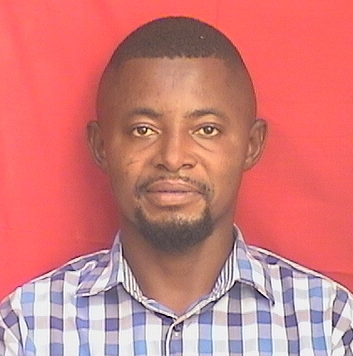
Ishmael Hashmiu
The researcher's work centers on a multifaceted study that integrates Cocoa and Sweet Potato Agribusiness with broader themes of risk management, climate resilience, agricultural innovation, energy impacts, social policies, and disaster responses. Their methodology employs diverse approaches, including traditional cash crop diversification studies, productivity analysis using Malmquist DEA, field experiments with smallholder farmers in Ghana, and case studies on the COVID-19 pandemic's effects on agriculture. This integrated research effort explores the interplay between traditional systems and modern practices to enhance food security, sustainability, and resilience against climate challenges while considering the social implications of these changes.
Faculty Biography
Dr. Ishmael Hashmiu is a Lecturer at the Department of Agroforestry, Kwame Nkrumah University of Science and Technology (KNUST), Kumasi, Ghana. He is a former Commonwealth Scholar. He obtained his PhD in Agroforestry from the KNUST in 2021. He also holds MSc degree in Natural Resources (Sustainable Environmental Management) from the University of Greenwich, UK, and a BSc degree in Natural Resources Management from the KNUST, Kumasi, Ghana.Dr. Hashmiu is a Sustainable Livelihood Specialist with keen interest in exploring innovative and bottom-up solutions to climate change, food insecurity, and natural resource conflicts. Another strand of his research focuses on exploring the determinants and pro-farmer policy options for enhancing agrofrestry adoption in smallholder contexts.Dr. Hashmiu is a recipient of several prestigious international grants and fellowships including the Association of African Universities (AAU) Small Grants for Theses and Dissertations Award (2017), DFID/Future Agricultures Consortium's Early Career Post-Masters Fellowship (2011), DFID Commonwealth Shared Scholarship (2008), and the International Tropical Timber Organisation (ITTO) Fellowship (2007&2014). Prior to joining KNUST as a Lecturer, Dr. Hashmiu worked on a variety of climate change and environmental sustainability projects in Ghana and abroad, including the World Bank's Climate Change Flagship Project: Ghana Dedicated Grant Mechanism for Local Communities (with Solidaridad West Africa); ESRC-funded Political Ecologies of Carbon in Africa Project at the STEPS Centre, University of Sussex, UK; and EarthCorps Environmental Restoration and Community Outreach Volunteer Programme in Seattle, USA. He started his professional life at the Ghana Association for the Conservation of Nature (GACON), a local NGO in Kumasi, Ghana, where he facilitated IUCN and UNDP/GEF-funded projects on community-based sacred grove conservation and ecotourism.
Agricultural Innovations and Practices
Agricultural risk and resilience
Climate Change Policy and Economics
Cocoa and Sweet Potato Agronomy
COVID-19 Pandemic Impacts
Energy and Environment Impacts
Firm Innovation and Growth
Farmers’ climate risk perceptions and their influence on cocoa agroforestry adoption in marginal areas of Ghana
Sacred groves for enhanced climate mitigation: Towards a framework for managing unintended externalities of environmental systems
Farmers’ perceptions and acceptability of Biochar as a soil amendment in the Tolon district of Ghana
Food-cash crop diversification and farm household welfare in the Forest-Savannah Transition Zone of Ghana
The Dynamics of Total Factor Productivity Change in Ghana's Cocoa Sector: Insights from Malmquist DEA Analysis
Open AccessReview of: "The Disruption of the COVID-19 Pandemic on Farm Produce and its Implications for the Future of Food Security - A review"
Open AccessCash crops and food security: evidence from smallholder cocoa and cashew farmers in Ghana
Open AccessDeterminants of crop choice decisions under risk: A case study on the revival of cocoa farming in the Forest-Savannah transition zone of Ghana
Perceived Climate Resilience and Adoption of Cocoa Agroforestry in the Forest-Savannah Transition Zone of Ghana
Open AccessCarbon Offsets and Agricultural Livelihoods: Lessons Learned From a Carbon Credit Project in The Transition Zone Of Ghana
Department of Agroforestry
Kwame Nkrumah University of Science and Technology