Beta Testing
KNUST Research Atlas is currently in active Beta. Report bugs or suggest features to help us improve!
KNUST Research Atlas is currently in active Beta. Report bugs or suggest features to help us improve!
KNUST Research Atlas is currently in active Beta. Report bugs or suggest features to help us improve!
Search, discover, and connect with over 1,800 researchers, faculty members, and scholars across all departments of KNUST.

Department of Silviculture and Forest Management
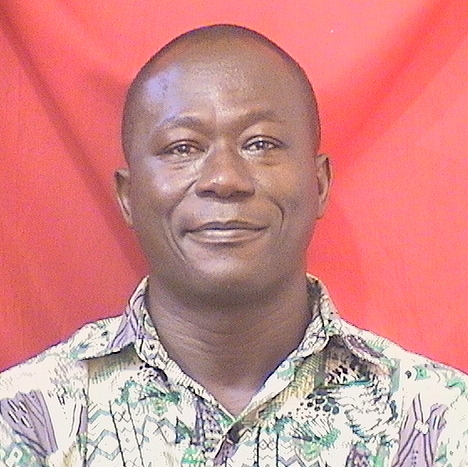
The researcher investigates the ecological and social dimensions of forest conservation and land management in Ghana, examining themes such as deforestation, climate resilience, land rights, and sustainable agricultural practices. Through case studies, they integrate methodologies like REDD+, valuation systems, and life sciences approaches to address challenges related to ecosystem services, climate change adaptation, and social equity. The work highlights the importance of integrating environmental valuation frameworks with land-use decisions to enhance sustainability in this region.
Department of Silviculture and Forest Management
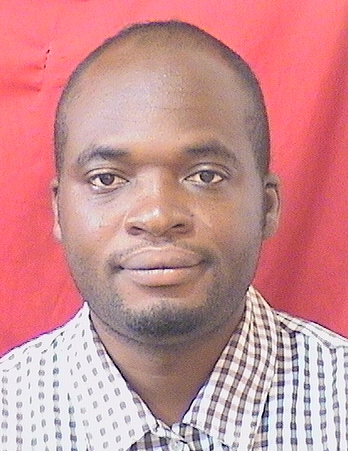
The researcher's work is centered on developing a comprehensive and integrative approach to address the multifaceted challenges faced by communities in Western Ghana. This integrated research strategy spans several key domains, including sustainable agriculture, rural development, environmental impact assessments, occupational health, animal welfare, and community issues related to resource management and social justice. The researcher's efforts are dedicated to understanding and mitigating the interplay between social, economic, and environmental factors that influence livelihoods, ecological sustainability, and public health concerns.
Department of Silviculture and Forest Management
The researcher's work is centered around the multifaceted integration of ecological, economic, and technological approaches to manage invasive alien species, enhance agricultural sustainability, and improve environmental valuation. By focusing on marine ecosystems, plant and animal studies, and innovative methods for biodiversity conservation, the researcher aims to develop comprehensive strategies that bridge natural systems with human needs through advanced adaptive management practices.
Department of Silviculture and Forest Management
The researcher's work centers on urban and rural development challenges within the social sciences, particularly focusing on issues in Ghana, where they integrate case studies of rainwater harvesting for irrigation and forest restoration efforts to develop circular agricultural practices. Their research, using data from the Bono East Region, highlights how these initiatives enhance food security through integrating sustainable practices with traditional methods, contributing to broader themes of agriculture and circular systems research.

Department of Silviculture and Forest Management
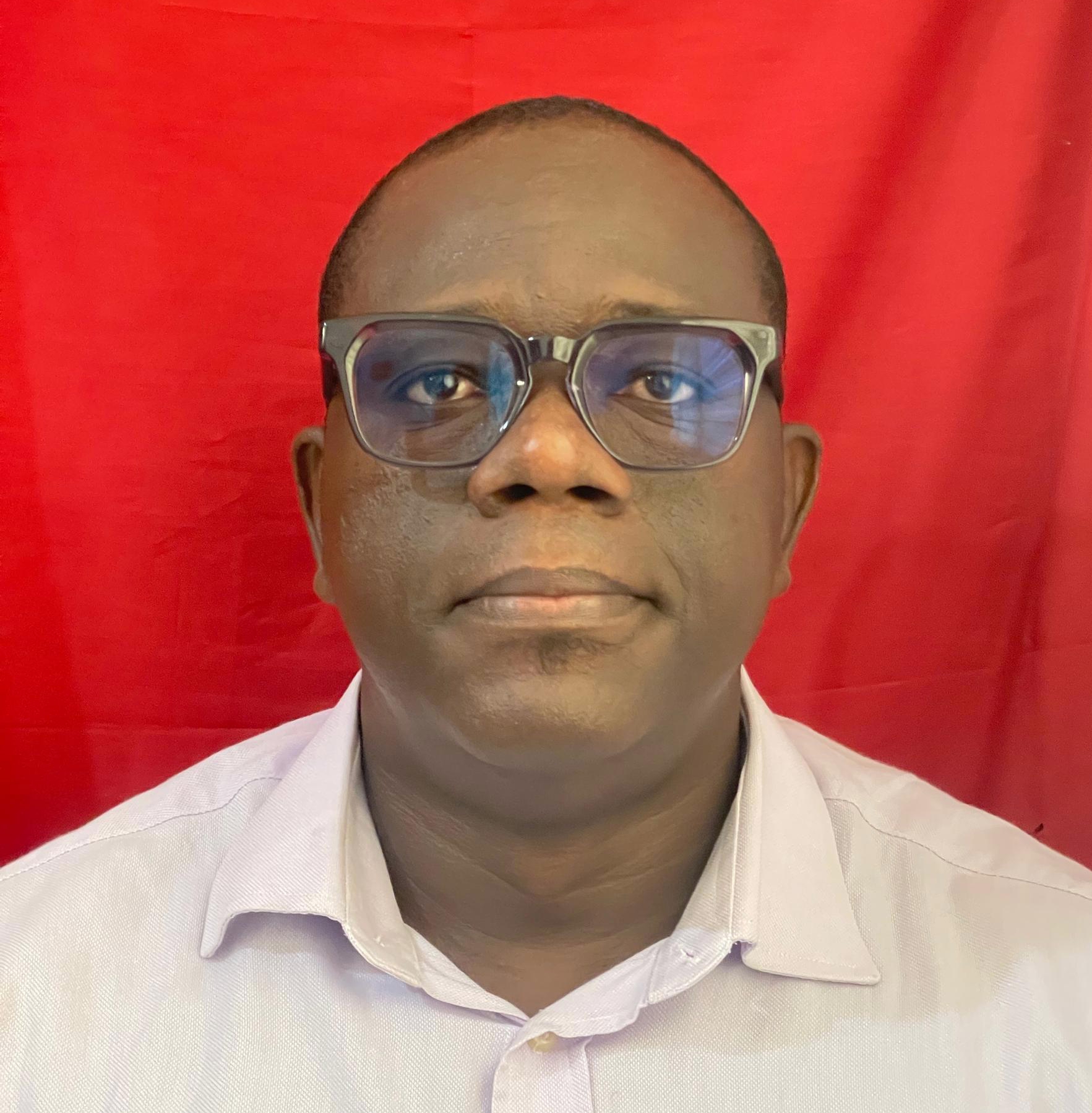
The researcher has focused on developing advanced computational methodologies for analyzing diffusion tensor imaging (DTI) data to study brain connectivity. Their work emphasizes optimizing image segmentation techniques using gradient descent and adaptive schemes to improve the accuracy and robustness of conduction velocity mapping. The research also explores the integration of these methods into a multi-subject framework, aiming to model brain connectivity in stroke patients, where accurate mappings are critical for early diagnosis and therapeutic planning. While their approach shows promise in enhancing clinical outcomes by improving understanding of neural communication during stroke, they acknowledge challenges related to computational efficiency and bias reduction that require further optimization and validation. Their work contributes significantly to both medical science and clinical practice, offering insights into how the brain is reconnected following stroke.
Department of Silviculture and Forest Management
The researcher integrates remote sensing data into advancing cocoa and hydroponic agricultural innovations, focusing on enhancing crop performance and food security while addressing climate challenges. They emphasize land use changes and forest cover impacts, employing eco-friendly practices such as tree diseases control and soil erosion management. Ethnobotanical studies are central to their approach, highlighting the interplay between traditional botanic gardens, conservation efforts, and biodiversity preservation. The researcher also investigates mangrove ecosystems, applying redd+ projects, and examines mining techniques like artificial intelligence for risk mitigation in agricultural landscapes. Their work spans land use/policy frameworks, innovative resource management practices, ecological studies on wetlands, and the role of urban development mechanisms. They explore cocoa agronomy, mineralization, and food production systems, integrating innovative practices with sustainable approaches to balance productivity and environmental preservation.