Beta Testing
KNUST Research Atlas is currently in active Beta. Report bugs or suggest features to help us improve!
KNUST Research Atlas is currently in active Beta. Report bugs or suggest features to help us improve!
KNUST Research Atlas is currently in active Beta. Report bugs or suggest features to help us improve!
Search, discover, and connect with over 1,800 researchers, faculty members, and scholars across all departments of KNUST.
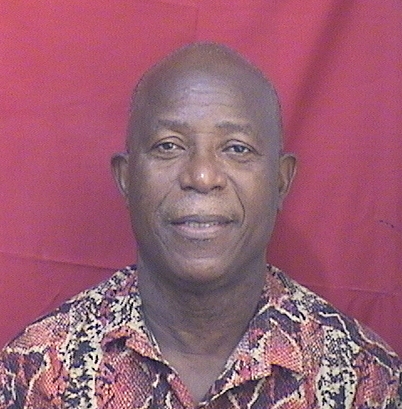
Department of Theoretical and Applied Biology
The researcher focuses on advancing agricultural practices, particularly legumes, for enhanced crop productivity, with a strong emphasis on nitrogen fixation among various microorganisms, including Bradyrhizobium species. Their work highlights the role of ammonia nitrogen-fixing bacteria, such as those from *Bradyrhizobium* species, in improving soil P availability and enhancing agricultural systems. The researcher also investigates crop rotations and their impact on nitrogen efficiency in maize in low-input paddocks, emphasizing sustainable practices for food security. Their studies underscore the importance of considering elevation and fertilizers (phosphorus and ammonia) to optimize eco-friendly farming methods. Additionally, they explore the potential of organic manure as a cost-effective solution for reducing nitrogen losses from agricultural crops.
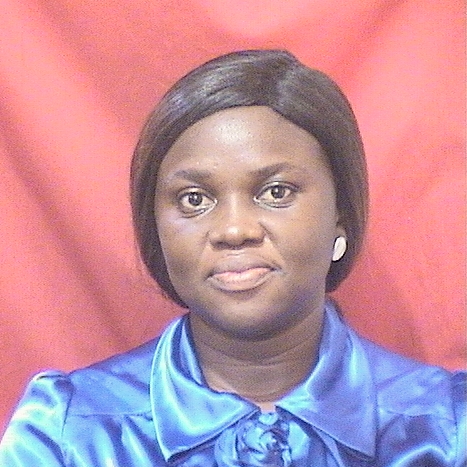
Department of Theoretical and Applied Biology
The researcher has conducted extensive research across multiple domains within public health sciences, focusing on vector-borne infections, malaria control strategies, tick-pathogen studies, vaccine acceptance, insect pest management, and mosquito disease control. His work integrates diverse methodologies to address challenges in disease prevention, control, and community engagement.
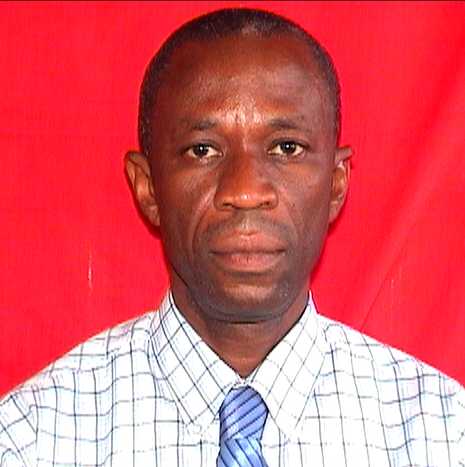
Department of Theoretical and Applied Biology
The researcher's work focuses on integrating ecological and evolutionary studies across various domains within life sciences, emphasizing the intricate interplay between plant species diversity, environmental factors, and host-parasite interactions. Their research examines how human disturbances and environmental stressors shape community structure, particularly in diverse ecosystems such as forest reserves and park areas. Additionally, they investigate parasitic infections and their distribution among species like baboons and warthogs, shedding light on host-parasite dynamics. The researcher also studies the health risks associated with exposure to trace metals from water sources, highlighting vulnerabilities in human populations within ecological contexts. Their work bridges ecosystems, focusing on how living organisms adapt and respond to environmental pressures, offering insights into evolutionary biology and ecological resilience.
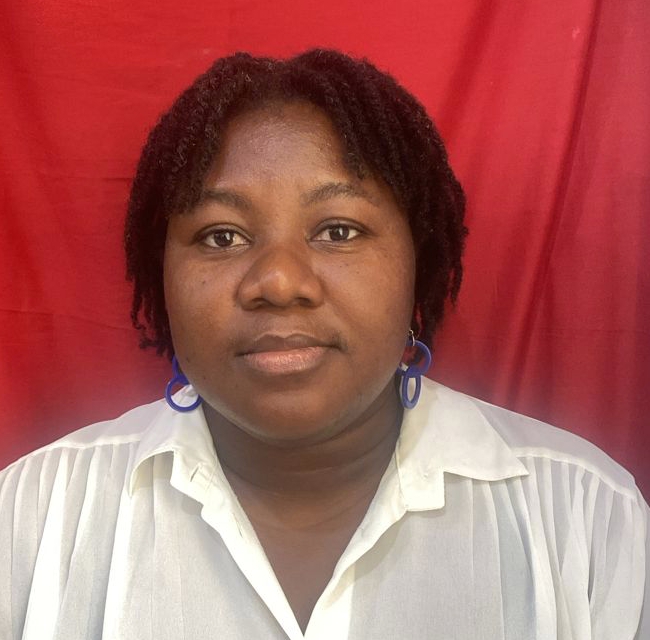
Department of Theoretical and Applied Biology
The researcher's work integrates studies across multiple disciplines within resource management, genetics, and pest control strategies. Their research focuses on understanding ecological impacts and implementing effective solutions for sustainable practices in farming and agriculture.
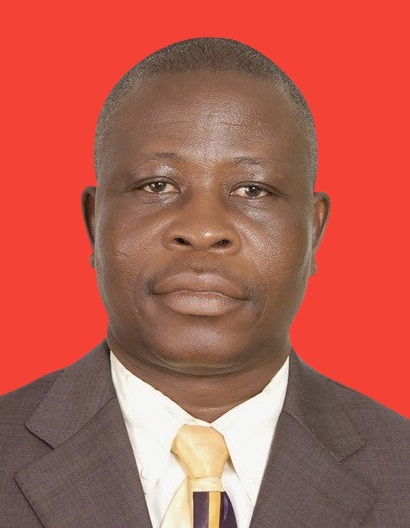
Department of Theoretical and Applied Biology
The researcher focuses on advancing computational biology and bioengineering techniques to enhance processes such as wound healing, antimicrobial resistance, and energy production in health and life sciences domains. Their work emphasizes optimizing enzymatic activities, improving nutrient utilization, and developing innovative methods for antibiotic production and bioremediation, with a particular interest in studying legume-nutrient symbiosis and distributed computing systems.