Beta Testing
KNUST Research Atlas is currently in active Beta. Report bugs or suggest features to help us improve!
KNUST Research Atlas is currently in active Beta. Report bugs or suggest features to help us improve!
KNUST Research Atlas is currently in active Beta. Report bugs or suggest features to help us improve!
Search, discover, and connect with over 1,800 researchers, faculty members, and scholars across all departments of KNUST.

Department of Theoretical and Applied Biology
The research primarily focuses on algorithm design, theoretical foundations, and computational methods for solving complex optimization and control problems across diverse applications such as traffic networks, energy systems, and social networks. Theoretical advancements are complemented by practical insights that address real-world challenges through interdisciplinary approaches, emphasizing the integration of machine learning techniques to enhance problem-solving capabilities in these domains.

Department of Theoretical and Applied Biology
The researcher's work focuses on understanding the interactions between natural systems and climate change across disciplines such as climatology, biogeochemistry, oceanography, and climate studies. Their publications explore marine ecosystems, focusing on topics like coral reefs' resilience to climate extremes, extreme weather events linked to climate change, and the role of the endocrine system in regulating marine animals.
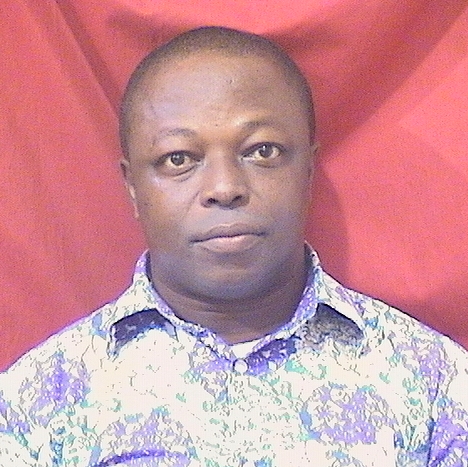
Department of Theoretical and Applied Biology
The researcher's work focuses on interdisciplinary studies within Physical Sciences, particularly examining the intricate interplay of physical dynamics, mixing processes, and stratification regimes in aquatic ecosystems and phytoplankton communities. By employing methodologies that integrate environmental factors with community structure analysis, the study explores how these elements influence ecosystem functioning across diverse spatial scales. The research encompasses both theoretical frameworks and practical applications, aiming to elucidate the ecological implications of physical and biological interactions on key systems such as Liana communities and their surroundings.
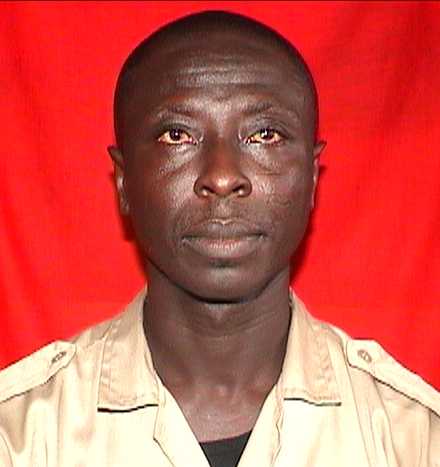
Department of Theoretical and Applied Biology
The researcher's research focuses on integrating sustainable finance with green bond methodologies within a social scientific framework, particularly examining their application to collective economic goals.

Department of Theoretical and Applied Biology
The researcher has conducted extensive research across a diverse range of themes, including parasitic diseases, lymphatic system studies, tick-borne infections, malarism, plant studies, infectious disease research, and public health initiatives. Their work focuses on neglected tropical diseases (NTDs), particularly parasitic infections such as Onchocerciasis, Malaria, and parasites like Plasmodium falciparum. The researcher has explored the effectiveness of treatments for these diseases, emphasizing approaches tailored to prevent disease transmission and control parasitic infections in neglected zones. They have also contributed to understanding neglected tropical diseases through studies on tick-borne pathogens, rickettsias, and Coxiella species. The research highlights the importance of public health interventions to manage these diseases effectively while considering the challenges posed by environmental restoration efforts.

Department of Theoretical and Applied Biology
The researcher has focused on integrating hydrological changes in water balance responses over 40 years with Cocoa and Sweet Potato agronomic studies, which examine bacterial profiles inhibiting the black pod disease pathogen. Additionally, their work investigates wound healing and treatment effects across patients in different hospital facilities, bridging environmental, agricultural, and health aspects to provide a comprehensive understanding of water management, plant resilience, and infection resistance.

Department of Theoretical and Applied Biology
The researcher investigates how pesticides affect plants and links this to toxicity using cabbage as an example. They also study insects like earthworms in soil and examine herbicides' impacts on them.

Department of Theoretical and Applied Biology
Her research focuses on optimizing decision-making processes under uncertainty, particularly within queueing systems and financial portfolio management.

Department of Theoretical and Applied Biology
The researcher has investigated the complex interplay of social media, neuroimaging techniques, and environmental strategies through a multidisciplinary approach that integrates longitudinal studies, meta-analyses, and big data analytics. Their work spans public health, education, and environmental science, combining methodologies from neuroscience, psychology, and quantitative research to advance understanding across these fields.
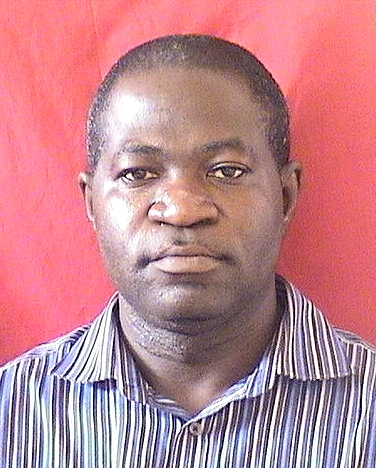
Department of Theoretical and Applied Biology
The researcher has been conducting extensive work in the field of parasitic diseases, with a strong focus on malarial infections and COVID-19. Recent advancements in diagnostics include the use of highly sensitive digital PCR for rapid diagnosis of Plasmodium falciparum infections, as well as improvements in testing capacity for COVID-19 cases. The researcher has also explored novel approaches to understand the role of viral shedding in transmission dynamics and tested viral parameters such as hematological markers in both malarial and COVID-19 settings. Their work highlights the importance of rapid testing tools and digital technology in addressing these critical public health challenges, while also emphasizing the ethical and societal implications of rapid response strategies.

Department of Theoretical and Applied Biology
The researcher has conducted extensive work across multiple domains focused on mosquito-borne diseases and their control, employing approaches that integrate both genetic and social scientific perspectives. Their studies explore the impact of urban agriculture on malaria transmission in Ghana, investigating sex determination genetics and their application to pest management solutions for insecticide-treated livestock fences. Through these investigations, they contribute to a deeper understanding of mosquito dynamics and transmission patterns while bridging theoretical frameworks in Hermeneutics and narrative identity.
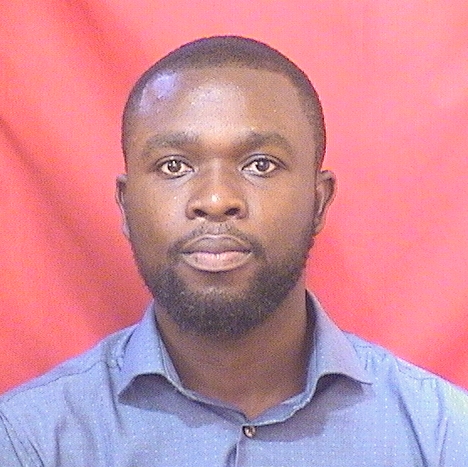
Department of Theoretical and Applied Biology
The researcher's work primarily focuses on the study of viral infections, parasitic diseases, food safety, microbial research in food, and mycobiosis. Their publications explore the mechanisms by which pathogens infect hosts, particularly focusing on tick-borne pathogens, helicobacter pylori-related gastroenterology, and the broader impact of Parasites and Host Interactions across various domains.