Beta Testing
KNUST Research Atlas is currently in active Beta. Report bugs or suggest features to help us improve!
KNUST Research Atlas is currently in active Beta. Report bugs or suggest features to help us improve!
KNUST Research Atlas is currently in active Beta. Report bugs or suggest features to help us improve!
Search, discover, and connect with over 1,800 researchers, faculty members, and scholars across all departments of KNUST.
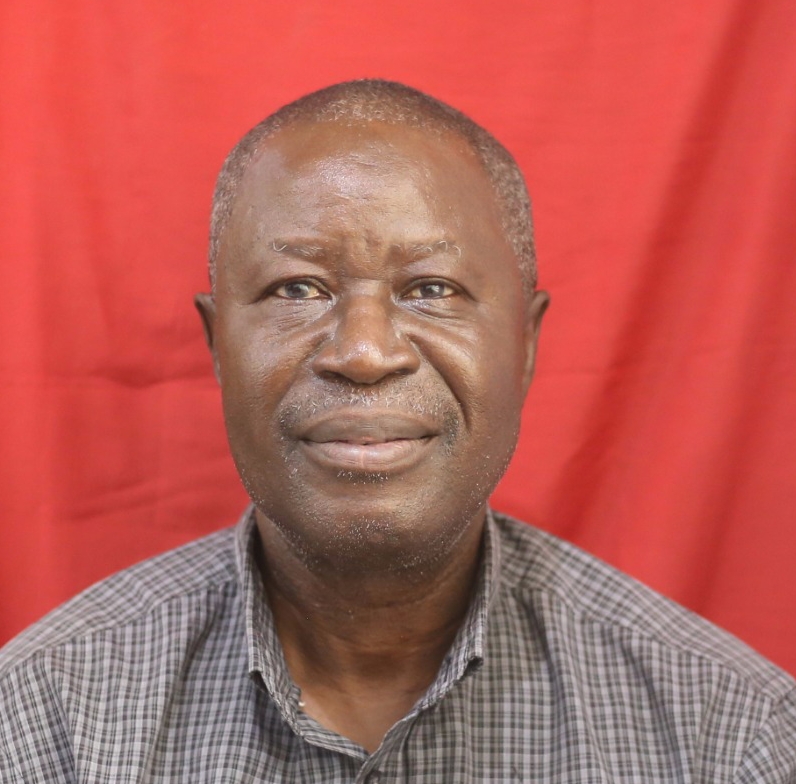
Department of Forest Resources Technology
Research investigates the composition of nuts and their effects on digestion processes within animal hosts, aiming to understand how nuts break down food in ecosystems.
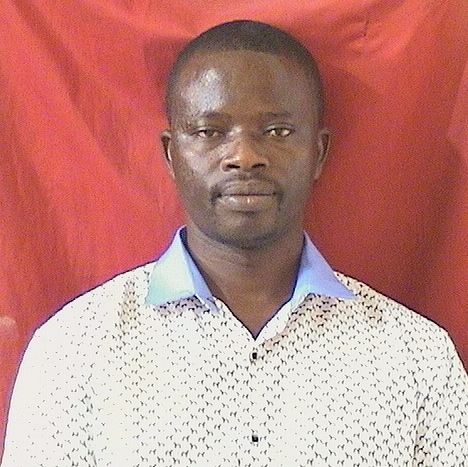
Department of Forest Resources Technology
The researcher's work centers on the intersection of land use and ecosystem services, particularly examining urban green spaces as key drivers for beneficial environmental outcomes. Through interdisciplinary studies combining plant biology, soil science, and social sciences, the researcher investigates how ecosystems can be managed to enhance carbon sequestration, biodiversity conservation, and soil health. Their approach integrates microbial bioremediation techniques with plant species responses, aiming to address challenges in agricultural, hydrological, and environmental management in African contexts. The research highlights the role of urban green spaces in fostering these ecological services while exploring their ecological, social, and economic dimensions.

Department of Forest Resources Technology
The researcher's work integrates across multiple domains, focusing on the interplay between ecological systems, social impacts, and environmental sustainability. Their studies span themes like mining and resource management, forest ecology, water chemistry in wetlands, biodiversity conservation, and land use. The research examines how these areas influence livelihoods, ecosystem dynamics, and broader social changes. Through a blend of fieldwork and systematic analysis, the researcher highlights how sustainable practices and ecological resilience address environmental challenges while preserving human rights and community well-being. Their findings underscore the importance of understanding both natural systems and their social contexts to drive meaningful outcomes in resource management and conservation efforts.
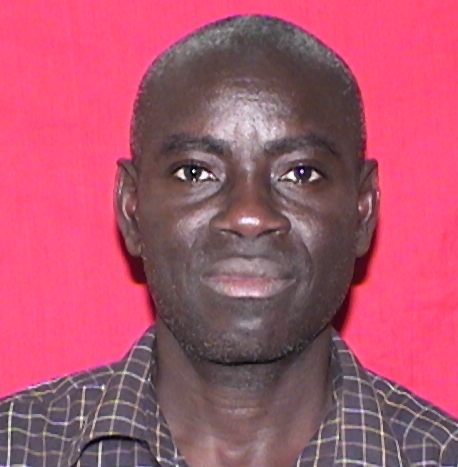
Department of Forest Resources Technology
The researcher's work centers on advancing understanding in African mining and resource management, particularly examining the ecological, social, and environmental dimensions of mining activities. Their research highlights both positive contributions to food security, agricultural productivity, and energy production, while also addressing significant challenges such as soil degradation, water pollution, and environmental noise. The integration of ethical considerations underscores the broader societal impact on communities, emphasizing partnerships between mining companies and local stakeholders for sustainable development.

Department of Forest Resources Technology
The researcher's research is centered on Ghana's physical sciences domain, examining various thematic areas including mining and resource management, conservation, biodiversity, land use and ecosystems services, global trade and sustainability, and social impact. The work encompasses studies on human insecurities in gold mining, the ecological impacts of informal mining practices, knowledge production through local spatialization, political economy effects of corruption in forest land use, forest conservation strategies, and the broader socio-economic dynamics affecting Ghana's environmental and economic systems.

Department of Forest Resources Technology
The researcher's work centers on the intricate interplay between genetic and molecular mechanisms in disease development, particularly through advancements in understanding protein folding and its role across diverse biological systems. Their research integrates insights from single-cell genomics, synthetic biology, and bioremediation, alongside studies in gene regulation, stem cell behavior, epigenetic regulation, and cancer biology. This integrated approach underscores the importance of modeling these processes to uncover how genetic signaling shapes disease progression and to develop novel therapeutic strategies that enhance our understanding of complex biological phenomena.
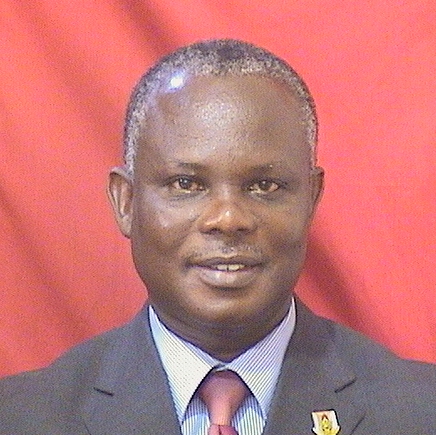
Department of Forest Resources Technology
The researcher's work is centered around integrating diverse perspectives in education, particularly focusing on equity, inclusion, and critical pedagogy. Through the lens of educational games (Thematics: Educational Games and Gamification), they examine how technology enhances learning outcomes for students across various age groups. The integration of multilingual education policies (Themes: Multilingual Education and Policy) reflects a commitment to understanding how linguistic diversity impacts both policy-making and practice in higher education. Bullying, Victoria, and Aggression (Thematics: Bullying, Victimization, and Aggression) ties into a broader focus on social justice issues, where teacher training and educational practices are shaped by cultural contexts. The role of schools in providing educational opportunities for unbelonging students is highlighted across multiple themes, emphasizing the importance of community and cultural relevance. Global Education and Multiculturalism (Themes: Global Education and Multiculturalism) underscores the researcher’s commitment to addressing diversity in education systems both historically and culturally, with a focus on teacher training. The influence of migration and language learning (Themes: Teacher Education and Leadership, Student Entrepreneurship) shows how cultural exchanges can enrich educational environments. The study on school choice and performance (Themes: School Choice and Performance) highlights the role of education in shaping social outcomes and opportunities for students from diverse backgrounds. Psychological development through education (Emotional Intelligence and Performance) is another area where emotional intelligence plays a significant role, particularly in supporting students who are underemphasized in traditional approaches. The influence of migration on education policies (Themes: Teacher Education and Leadership, Critical Race Theory in Education) demonstrates how cultural shifts can impact educational equity. The integration of diverse perspectives into teaching practices across multiple themes (Music History and Culture, Student Entrepreneurship) underscores the researcher’s ability to create inclusive learning environments that consider linguistic, cultural, and social dimensions. Finally, the focus on equity, inclusion, and critical pedagogy as a unifying theme (Emotional Intelligence and Performance, Global Education, Teacher Education) reflects a commitment to creating a holistic approach that addresses systemic issues through both educational policies and practices.

Department of Forest Resources Technology
This researcher has focused their work on advancing remote sensing techniques for forest management, particularly in agricultural contexts, utilizing satellite data to improve predictions of tree species diversity and understand forest cover dynamics both spatially and temporally. They have also reviewed the two-decade progress on remote sensing applications in monitoring tropical and subtropical forests, highlighting advancements in using LiDAR technology. Their research delves into understanding tree diversity patterns and changes over time, as demonstrated by their studies of forest cover changes at Nkandla reserve.

Department of Forest Resources Technology
The researcher's work integrates remote sensing technologies, including LiDAR applications, to study wood properties and degradation across diverse ecosystems. Focusing on sustainable wood products from African forests, they apply techniques like information theory to assess wood treatment characteristics and evaluate energy and environmental impacts, aiming to develop sustainable agricultural and food production solutions.

Department of Forest Resources Technology
This researcher conducts a comprehensive study examining the impacts of various factors on rural households, microfinance, agricultural innovations, financial reporting practices, education systems, technology adoption, and global health outcomes. Their work synthesizes findings across themes related to energy and environment, social sciences, life sciences, financial reporting, and global health, providing insights into how credit accessibility, financial inclusion, and agricultural practices drive economic development in Ghana and beyond.

Department of Forest Resources Technology
The researcher's work spans multiple themes within physical sciences, focusing on ecological applications of wood properties, stability studies, and advanced remote sensing techniques. Their research encompasses the analysis of radial variation in teak wood to understand age and size effects, assessing lumber value in smallholder plantations using novel systems, studying wood growth dynamics, analyzing variations in wood characteristics like specific gravity, applying mixed-effects models to tree data, evaluating longitudinal changes in wood properties, examining heartwood color variations in planted wood, and integrating remote sensing methods for assessing wood degradation.
Department of Forest Resources Technology
The researcher’s work integrates themes across diverse disciplines to address global challenges in sustainability and resilience. Research in environmental sustainability in business examines corporate social responsibility activities and how they impact employee well-being within the hotel industry, linking broader corporate ethics to workforce satisfaction. The wood treatment theme explores sustainable material extraction for ecological benefits, with a focus on forest management and carbon sequestration. Agricultural practices and plant genetics delve into innovative techniques for pest control and genetic advancements in crop improvement, contributing to food security and economic productivity. All publications collectively address the intersection of environmental sustainability, social engagement, material science, and agricultural innovation, offering insights into how these areas interrelate and contribute to sustainable development goals.