Beta Testing
KNUST Research Atlas is currently in active Beta. Report bugs or suggest features to help us improve!
KNUST Research Atlas is currently in active Beta. Report bugs or suggest features to help us improve!
KNUST Research Atlas is currently in active Beta. Report bugs or suggest features to help us improve!
Search, discover, and connect with over 1,800 researchers, faculty members, and scholars across all departments of KNUST.
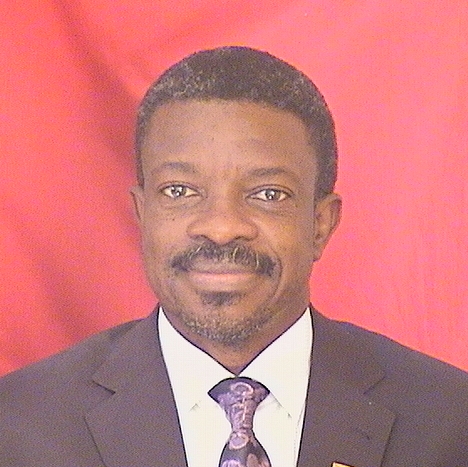
Department of Architecture
The researcher examines six key themes—public-Private Partnerships Projects, Sustainable Building Design and Assessment, Occupational Health and Safety Research, Urban and Rural Development Challenges, Recycled Aggregate Concrete Performance, and Sustainable Supply Chain Management—across various academic domains. Their work employs interdisciplinary methodologies like qualitative research to analyze Ghana's construction industry challenges, integrating insights from multiple fields to address issues in urban development, sustainability goals, energy efficiency, and public policy.

Department of Architecture
The researcher focuses on addressing critical challenges in construction projects and infrastructure, particularly exploring issues related to corruption, sustainability, and technological advancements. Their work encompasses themes such as anti-corruption measures, sustainable building practices, green technologies, and innovative approaches like BIM and blockchain for better project execution, while also examining the urban context of Hong Kong's construction sector.
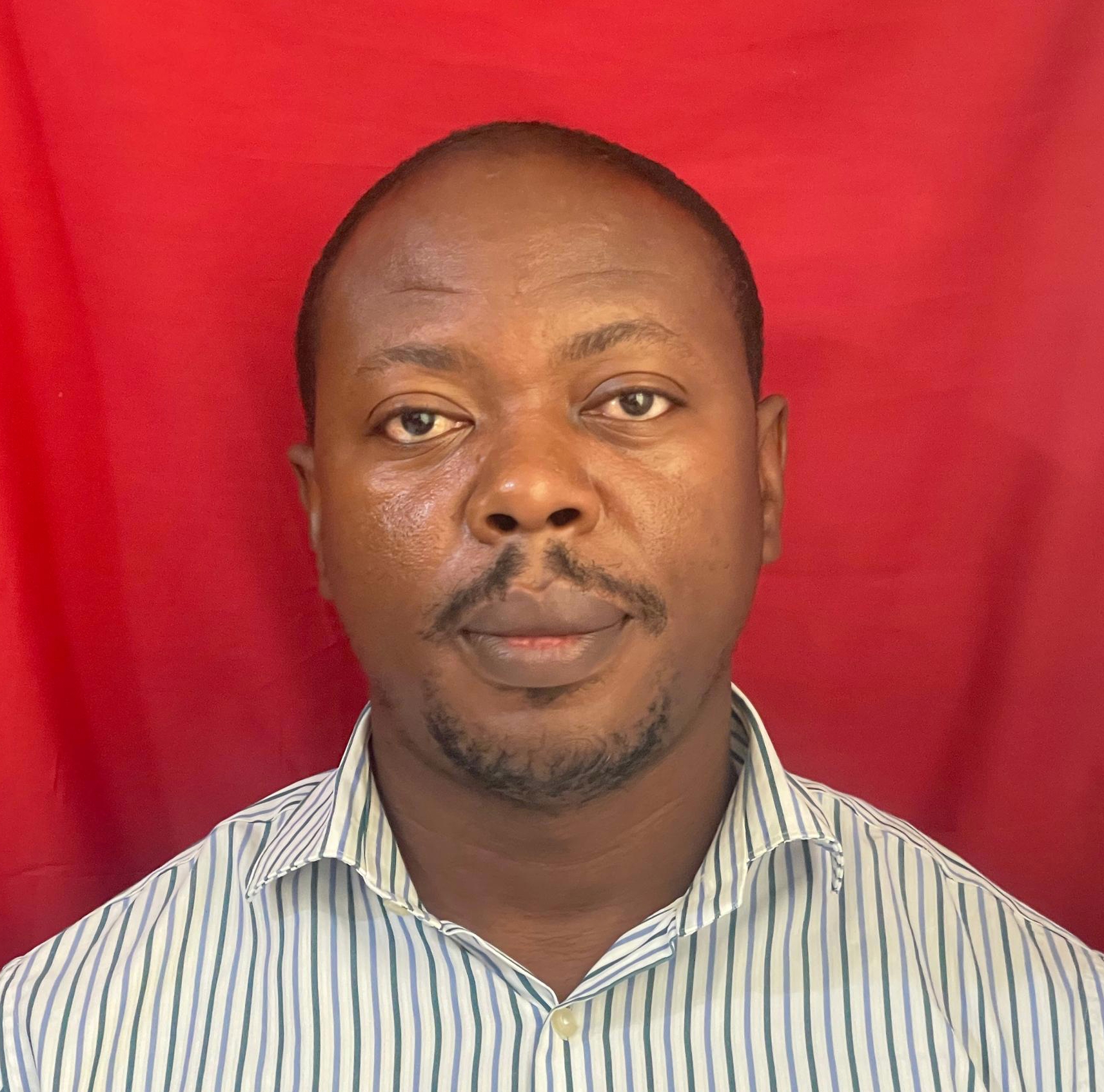
Department of Architecture
The researcher's primary focus lies at the intersection of computational mechanics and soft tissue modeling, employing image-based methods to simulate mechanical behavior. Their work extends to studying poroelasticity, examining how biological tissues respond dynamically under stress while incorporating fluid interactions. Through development of predictive computational tools, they aim to advance our understanding of complex biological systems, from bone mechanics to organ function. This research seeks to enhance the accuracy and applicability of modeling soft tissues across various scales.

Department of Architecture
The researcher investigates the integration of mathematical theory with computational methods, spanning economics, finance, physics, and more, seeking interdisciplinary solutions across diverse application areas.

Department of Architecture
This researcher has conducted extensive work integrating computational neuroscience, theoretical physics methods, bioinformatics, and machine learning in biophysics to address fundamental questions in understanding complex biological systems across various scales. Their research employs large-scale modeling and interdisciplinary approaches to synthesize insights from these fields, leading to significant advancements in biophysics with broad applications across biological and clinical contexts.

Department of Architecture
Urban transport accessibility is a critical element in sustainable building design, particularly within Ghana. The researcher examines barriers affecting people with disabilities on urban roads and pedestrian infrastructure, alongside factors influencing environmentally sustainable buildings. This integrated study explores the connection between enhancing transportation access and promoting eco-friendly practices, aiming to improve mobility and environmental awareness by balancing these two areas.

Department of Architecture
The researcher's work centers on investigating the therapeutic applications of natural elements, particularly elemental minerals and microbes, among pregnant women. Their focus is on the contextual use of kaolin (a type of clay) consumed by individuals in Ghana, examining both the elemental compositions and microbial knowledge within this group.
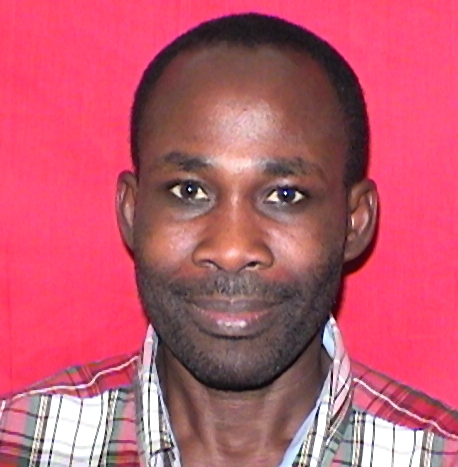
Department of Architecture
The researcher's work focuses on analyzing complex dynamic systems within networked environments, applying machine learning and deep learning methodologies to solve real-world problems in traffic management and smart grid optimization.
Department of Architecture
The researcher has engaged in extensive work across multiple themes, developing a robust theoretical foundation through innovative methodologies and applying them to significant questions in diverse fields. Their research bridges theoretical frameworks with practical applications, advancing our understanding through interdisciplinary approaches that span economics, social sciences, and beyond.
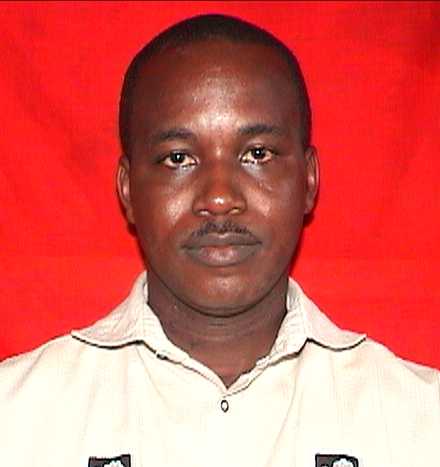
Department of Architecture
The researcher has developed innovative techniques in facial reanimation, particularly focusing on methods such as the use of temporalis transposition for facial reanimation and the application of microvascular flaps for reconstruction. These techniques aim to improve surgical outcomes and influence social perception and expression through patient-centered experiences.

Department of Architecture
This researcher's work centers on advancing understanding of urban heat islands and their mitigation through innovative architectural solutions. Their research integrates multiple disciplines—physical sciences, social sciences, and behavioral studies—to address challenges in energy efficiency, environmental impact assessments, and cultural resilience within Ghana's urban landscape. By examining green roofs, bio-climatic design, natural ventilation, solar photovoltaic installations, and the role of windows in thermal comfort, they explore how architectural innovations can complement climate-responsive building designs to enhance sustainability and reduce heat-induced discomfort. Their work underscores the importance of comprehensive simulation models and validation studies to assess indoor environmental quality across diverse urban environments, aiming to foster sustainable living while mitigating climate change impacts.

Department of Architecture
The researcher employs Data Envelopment Analysis (DEA) as a central technique to evaluate efficiency across diverse domains such as healthcare, logistics, health safety, education, technology, and policy-making. This integrated approach enables comprehensive analysis of performance in various sectors.