Beta Testing
KNUST Research Atlas is currently in active Beta. Report bugs or suggest features to help us improve!
KNUST Research Atlas is currently in active Beta. Report bugs or suggest features to help us improve!
KNUST Research Atlas is currently in active Beta. Report bugs or suggest features to help us improve!
Search, discover, and connect with over 1,800 researchers, faculty members, and scholars across all departments of KNUST.

Department of Nursing
This researcher investigates how animal behaviors arise from interactions with their environment, employing a combination of experimental data and theoretical models to explore both empirical observations and abstract theories. Their work spans animal behavior studies, cognitive science research on animal communication, and behavioral change across diverse contexts, aiming to uncover the underlying mechanisms that link environmental inputs to behavioral outputs.
Department of Nursing
The researcher's work focuses on medical ethics across diverse areas such as patient advocacy and pain management. Their studies highlight how ethical considerations influence healthcare decisions, particularly in resource-constrained emergency departments for nurses and post-operative patients managing chronic conditions like heart failure. This comprehensive study aims to explore both the societal and personal dimensions of ethical practices within healthcare settings.
Department of Nursing
The researcher focuses on three interconnected areas within health and social sciences: examining mothers' beliefs about preventive care, developing methods to foster critical thinking development, and studying homelessness through various services. Their work aims to inform interventions in child health, education, and social support, seeking a comprehensive understanding of personal beliefs, societal effects, and individual growth across these diverse themes.
Department of Nursing
The researcher’s work spans multiple themes within health sciences and social sciences, focusing on diverse dimensions of health equity, caregiving challenges, and statistical methodologies. Their research encompasses HIV/AIDS Research and Interventions, where they investigate factors associated with HIV infection prevalence and the impact of prevention strategies. In Global Maternal and Child Health, they examine trends in maternal mortality rates using demographic and health survey data. The researcher also explores family support in illness through various lenses, including caregiver experiences and dietary practices. Cervical Cancer Research is another key area, examining metabolic dysfunction-related fatty liver disease. Their work on aging research highlights the relationship between metabolic dysfunction and glycemic control. Similarly, they study issues related to debt management in Ghana, addressing socioeconomic and demographic determinants of under-five mortality. In Social Sciences, the researcher delves into topics such as mental illness, particularly dementia care, alcohol consumption patterns, dietary fiber effects, and patient dignity issues. Their work on burnout in African countries employs mixed methods, while their research on liver disease diagnosis uses multiple indicators. The researcher also examines burnout in Ghana and Cameroon through a systematic review, employing statistical methodologies to analyze health disparities. In pediatrics, they explore smoking behavior trends globally. Legal frameworks for immigration in Africa are another area of focus. Their work on bariatric surgeries addresses metabolic dysfunction associated with ccr risk, while their research on birth-related inequalities examines health disparities among populations. The researcher's contributions span both health and social dimensions, particularly focusing on issues related to inequality, mental illness, and healthcare access. They employ rigorous methodologies, including multiple imputation techniques and integrative reviews, to address complex social and health challenges. Their work in HIV/AIDS research emphasizes prevention strategies, while their Global Cancer Incidence and Screening studies highlight disparities in cancer prevalence.
Department of Nursing
Their research focuses on modeling complex interactions in geological, physical, computational, biological, and environmental systems using advanced computational methods across multiple disciplines. The work aims to advance our understanding of systems with high complexity through systematic applications of mathematical models and big data analysis.
Department of Nursing
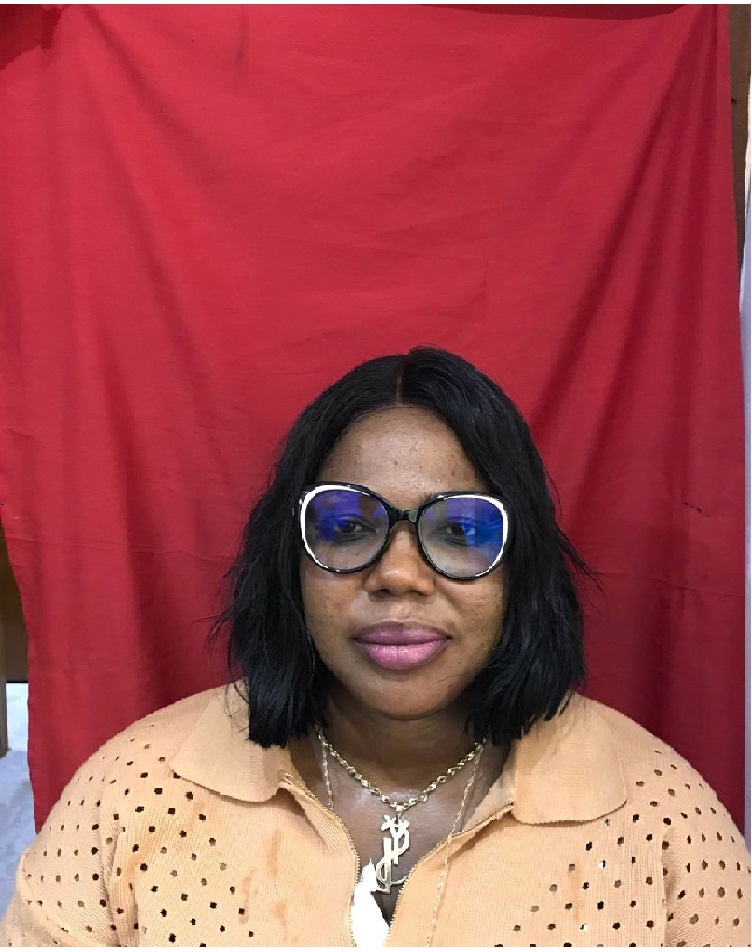
This researcher has made significant contributions to the development of optimization algorithms for solving large-scale machine learning and big data problems. Their work focuses on hybrid methods that combine gradient descent with coordinate ascent techniques to efficiently handle complex optimization tasks.
Department of Nursing
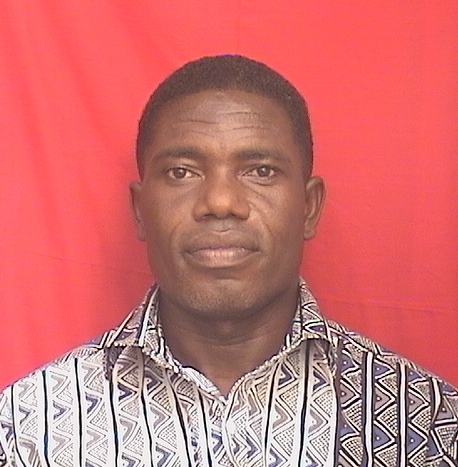
This researcher has conducted extensive studies across multiple themes in the social sciences, integrating diverse methodologies such as qualitative research with ethical considerations. Their work spans suicide and self-harm trends among school-going adolescents, the effects of child abuse on adolescent psychosocial issues, injury epidemiology focused on serious injuries among adolescents, and psychological impacts of HIVs and drug use among adults. They have also explored maternal mental health challenges in pregnancy. The researcher's focus is interdisciplinary, employing qualitative methods alongside ethical frameworks to address complex social and health issues.
Department of Nursing
The researcher has developed efficient computational methods for analyzing large-scale biological datasets, significantly advancing the field of computational biology by enabling precise identification of complex biological patterns. Their work has revolutionized bioinformatics through novel insights into critical biological processes and enhanced predictive modeling capabilities that have far-reaching implications across various biological sciences.
Department of Nursing
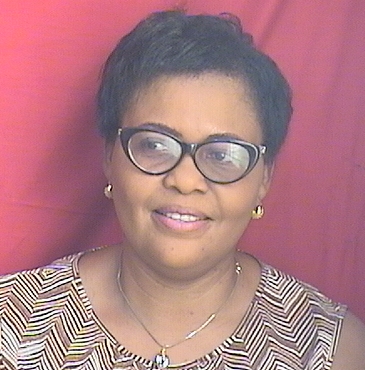
The researcher is dedicated to understanding how various factors influence healthcare experiences within public health and related fields, particularly focusing on themes such as patient--provider communication, medication errors, and individual barriers to healthcare access and outcomes. Their work explores personal perceptions and societal impacts, employing qualitative methods to examine diverse aspects like communication among nurses, challenges in pediatrics, issues faced by amputees with diabetes, and the experiences of women and girls in reproductive health interventions.