Beta Testing
KNUST Research Atlas is currently in active Beta. Report bugs or suggest features to help us improve!
KNUST Research Atlas is currently in active Beta. Report bugs or suggest features to help us improve!
KNUST Research Atlas is currently in active Beta. Report bugs or suggest features to help us improve!
Search, discover, and connect with over 1,800 researchers, faculty members, and scholars across all departments of KNUST.
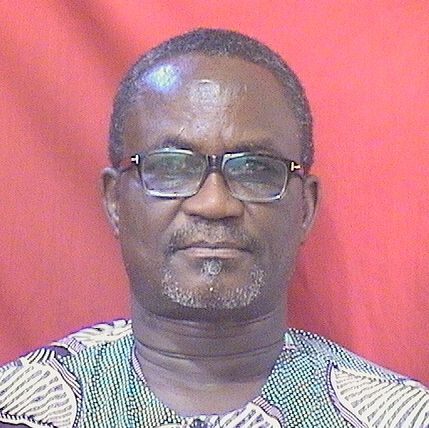
Department of Industrial Art
The researcher has conducted extensive historical and archaeological studies focusing on the production processes of Brass casting within specific cultural communities such as the Asantes in Ashanti, Ghana. Their work includes an examination of these processes from 2015, revealing insights into how materials were utilized for construction.
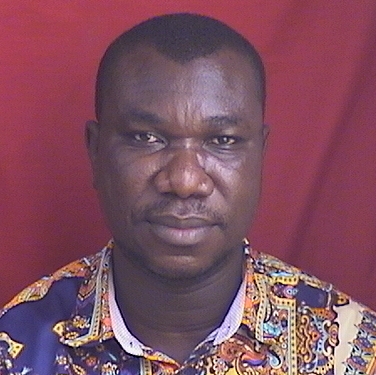
Department of Industrial Art
The researcher primarily investigates the application of creativity in African educational settings at Kwame Nkrumah University of Science and Technology (KNUST). Their work spans themes such as school environment, cultural influences, student engagement, innovation, and industrial applications. The study emphasizes how creativity is integrated into education within KNUST's framework, focusing on both traditional and cultural aspects. It explores factors that drive creative pedagogy, examining the interplay between educational practices and societal influences.
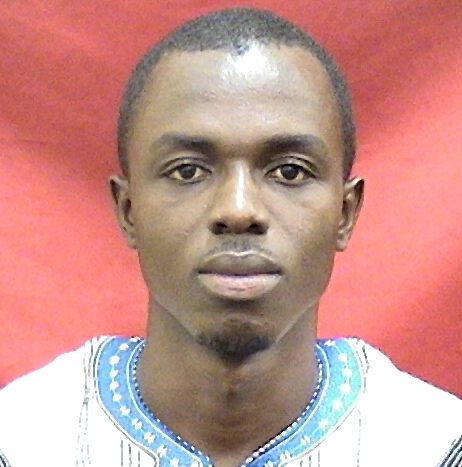
Department of Industrial Art
This researcher has employed computational modeling techniques to investigate dynamic connectivity changes within brain networks over time, drawing from neuroimaging data such as fMRI and diffusion tensor imaging. Their work emphasizes the temporal evolution of neural connections across diverse brain regions, aiming to uncover fundamental principles governing connectome dynamics in both neuroscience and biophysics.

Department of Industrial Art
This researcher's work focuses on applying principles of fluid dynamics, mathematical modeling, and computational methods across diverse biological systems. Their research emphasizes understanding complex physical phenomena from both fundamental and applied perspectives, employing advanced analytical techniques to model intricate biological processes such as blood flow in the cardiovascular system and tissue engineering strategies for regenerative medicine. The overarching goal is to develop robust mathematical frameworks that elucidate the underlying mechanisms of natural and engineered biological systems.

Department of Industrial Art
This researcher focuses extensively on the intersection of fashion and cultural textiles within the realm of social sciences, particularly delving into the vibrant tradition known as the Kete region. Their work examines how local traditions shape broader patterns in both art and society, utilizing case studies and interdisciplinary approaches to uncover the intricate interplay between these fields. By analyzing Kete's influence on global cultural trends, their research provides deeper insights into how local customs shape societal dynamics. This synthesis of fashion, culture, and social sciences offers a fresh perspective on traditional practices, enhancing our understanding of cultural heritage while offering practical applications for sustainable development efforts.

Department of Industrial Art
The researcher's work focuses on a comprehensive exploration of several key areas in physical and life sciences, including the development of advanced textiles, photocatalytic processes, biopolymer composites, additive manufacturing technologies, environmental sustainability, and agricultural applications. Their research spans themes such as textile material evaluations, energy efficiency, biochemical processes, nanotechnology applications, and sustainable practices, reflecting a multidisciplinary approach to advancing materials and energy solutions.
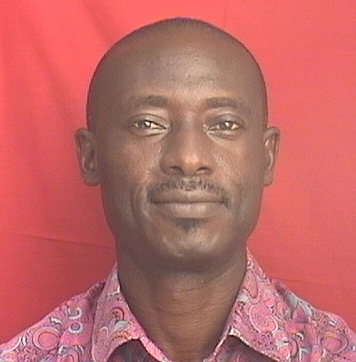
Department of Industrial Art
The researcher's work focuses on understanding how sleep and memory evolve over time, examining the interplay between sensory processing, memory dynamics, and brain wave patterns across different contexts. Their findings reveal how memory serves as a critical scaffold for regulating memory evolution during transitions in brain wave states, supported by cross-sectional studies of mammals and humans.
Department of Industrial Art
The researcher investigates the mechanisms underlying the development of neural networks, focusing on how individuals adapt their structures and functions across time and space while maintaining identity.
Department of Industrial Art
This research focuses on the application of adsorption and biosorption techniques for effective removal of pollutants, particularly utilizing activated carbon materials with a focus on how metal composition influences their surface properties to enhance dyes' absorption efficiency.

Department of Industrial Art
This researcher conducts comprehensive studies across multiple themes within Social Sciences, focusing on areas such as Outdoor and Experiential Education, Educational Environments and Student Outcomes, Design Education and Practice, Consumer Behavior in Brand Consumption and Identification, Poverty, Education, and Child Welfare, and African history and culture studies. Their work encompasses diverse topics like jewelry apprenticeships, school-based jewelry education, design projects, consumer behaviors on precious jewels, educational practices related to metal wall hanging, and indigenous wood carvings from Ghana's past.

Department of Industrial Art
The researcher focuses on understanding cellular processes in yeast under various conditions, such as stress and quorum sensing, with an emphasis on nutrient responsiveness and self-assembly of actin-based structures from bacteria. Their work bridges bacterial mechanisms with yeast systems, offering insights into cell growth dynamics and potential applications in biotechnology and soft matter physics.
Department of Industrial Art
The researcher has made significant contributions across diverse domains, including cultural fabric, digital economy, crafts, quality management, education, sustainability, ethics, and global practices within the Ghanaian fashion and textile industries. Their work integrates insights from various social sciences, emphasizing the interplay of cultural elements, economic systems, technological advancements, ethical considerations, educational approaches, and environmental sustainability in shaping the identity and practices of GhanaianFashion.