Beta Testing
KNUST Research Atlas is currently in active Beta. Report bugs or suggest features to help us improve!
KNUST Research Atlas is currently in active Beta. Report bugs or suggest features to help us improve!
KNUST Research Atlas is currently in active Beta. Report bugs or suggest features to help us improve!
Search, discover, and connect with over 1,800 researchers, faculty members, and scholars across all departments of KNUST.
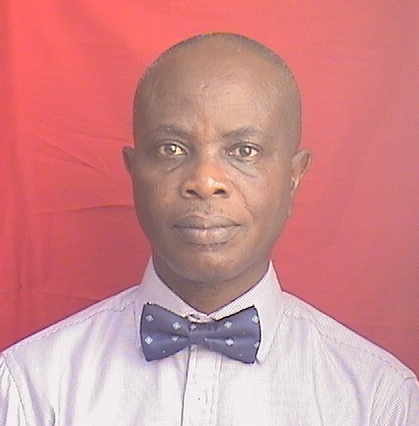
Department of Anaesthesiology & Intensive Care
The researcher integrates computational and statistical methods across diverse fields, applying advanced techniques to address complex problems, demonstrating a comprehensive approach that bridges theoretical advancements with practical applications.

Department of Anaesthesiology & Intensive Care
The researcher's work focuses on developing novel methodologies for integrating data analytics with human-AI interaction to enhance decision-making processes in social science contexts. Their research emphasizes bridging computational approaches with theoretical frameworks to address complex societal challenges, demonstrating how empirical evidence from large-scale datasets informs macro-level social policies and behaviors.
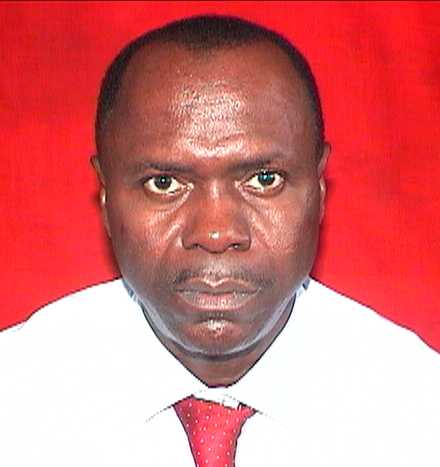
Department of Anaesthesiology & Intensive Care
This researcher's work focuses on developing novel computational models that elucidate complex systems across various scientific disciplines. Their research spans theoretical advancements in neural networks, brain-computer interfaces, and practical applications in deep learning. Their doctoral thesis, which explores these themes in depth, bridges the gap between computer science and neuroscience. Furthermore, their recent publications highlight significant contributions to real-world applications of deep learning in diverse domains, demonstrating the potential for computational approaches to address intricate scientific challenges across biology, physics, and engineering.
Department of Anaesthesiology & Intensive Care
The researcher's work spans multiple areas of computational and applied mathematics. Their research focuses on optimizing numerical methods for solving partial differential equations (PDEs), introducing machine learning techniques to predict molecular properties, and developing multiscale models to study tumor growth while accounting for uncertainties in the modeling processes.
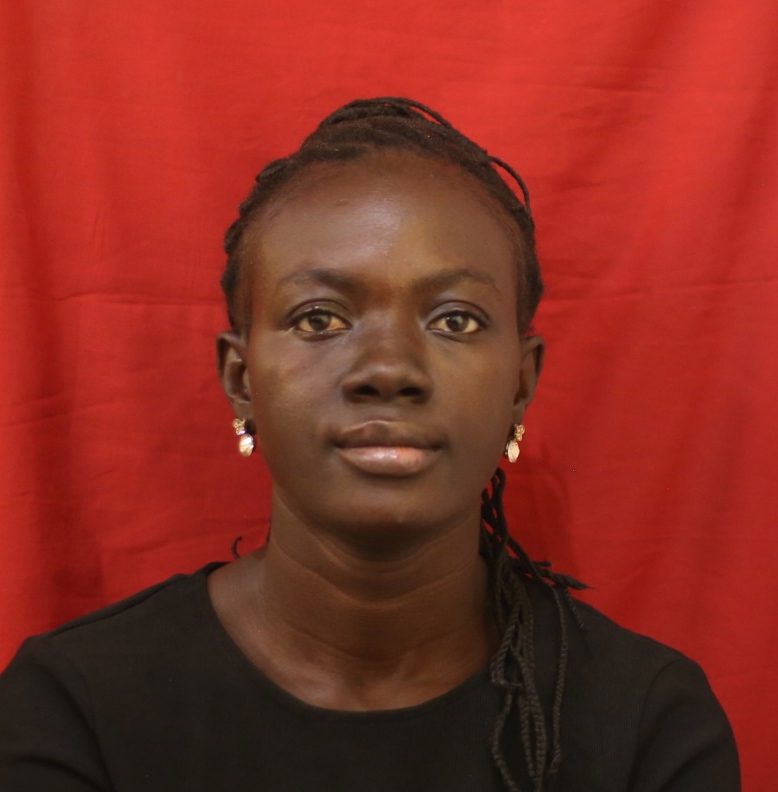
Department of Anaesthesiology & Intensive Care
This researcher employs mathematical modeling and optimization techniques to address complex problems in various application areas, collaborating with multidisciplinary teams to develop innovative solutions. Their work emphasizes the development of robust tools for practical implementation while fostering potential industrial applications through interdisciplinary approaches.
Department of Anaesthesiology & Intensive Care
The researcher has conducted extensive work examining the interplay between language, neuroplasticity, and emotional responses across diverse social contexts in a community setting. Their comprehensive book on human communication strategies provides a detailed look at these relationships, supported by a review article that explores the neural mechanisms behind emotional regulation, along with an experimental study demonstrating how neuroplastic changes impact interpersonal relationships.
Department of Anaesthesiology & Intensive Care
This researcher's work focuses on advancing computational modeling techniques in biomedicine to predict cancer drug response and elucidate gene regulation networks at a systems level. Their research integrates multiple data sources and advanced machine learning algorithms to address real-world challenges in personalized medicine and disease progression analysis. By bridging biological mechanisms with clinical outcomes, their studies highlight the importance of interdisciplinary approaches in understanding complex disease pathways. The integration of biological data with computational tools not only enhances predictive accuracy but also emphasizes the scalability and practicality of these models across diverse contexts.
Department of Anaesthesiology & Intensive Care
This researcher investigates the interplay between genome architecture (neuro genetics) and evolutionary biology through multi-species neuroimaging studies. Their work links brain structure with function across humans, salamanders, and primates, examining aspects such as gray matter volume correlate with cortical thickness for humans, metabolic variables in salamanders, and developmental plasticity in primates.
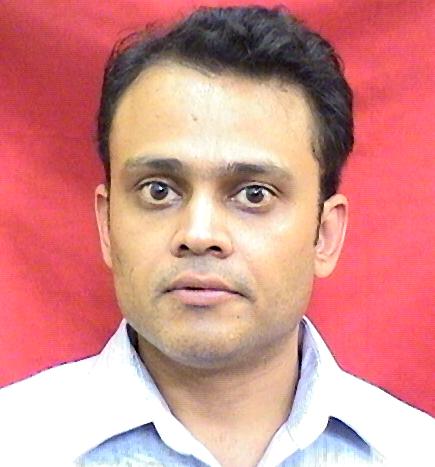
Department of Anaesthesiology & Intensive Care
The researcher focuses on the theoretical and application-driven exploration of complex systems and network structures, employing empirical data from diverse fields such as biology, social networks, and human behavior. Their work emphasizes modeling real-world phenomena through agent-based simulations and differential equations, bridging theory with practical applications across various domains. Key themes include systemic properties of complex systems, such as resilience, adaptability, and efficiency, observed in natural and engineered systems. The researcher's contributions are characterized by a comprehensive approach that builds bridges between theoretical frameworks and empirical data, showcasing the universality of complex network concepts through case studies from diverse disciplines.
Department of Anaesthesiology & Intensive Care
This researcher is focused on advancing machine learning techniques in healthcare, particularly applying deep learning models to predict treatment outcomes in cancer, including breast, prostate, and lung cancers. Their work integrates computational methods across computer science, statistics, and engineering to develop robust predictive models that optimize therapeutic decisions, thereby enhancing patient care and reducing side effects through personalized approaches.
Department of Anaesthesiology & Intensive Care
The researcher's work focuses on the analysis of system stability, development of adaptive control strategies, and robustness to time delays in uncertain dynamical systems, particularly within the context of fractional calculus.