Beta Testing
KNUST Research Atlas is currently in active Beta. Report bugs or suggest features to help us improve!
KNUST Research Atlas is currently in active Beta. Report bugs or suggest features to help us improve!
KNUST Research Atlas is currently in active Beta. Report bugs or suggest features to help us improve!
Search, discover, and connect with over 1,800 researchers, faculty members, and scholars across all departments of KNUST.

Department of Indigenous Art and Technology
The researcher's work is deeply rooted in the symbolic use of cultural textiles across various domains, integrating themes of both fashion and metaphorical expression. Their research explores techniques such as adinkra cloth fusion, local dyeing cultures, and bamboo properties to develop innovative materials like cotton fent fabric for textiles, emphasizing the importance of these materials in both art and urban development. The study also delves into ethical issues surrounding textile production, particularly in Ghanaian contexts, highlighting their impact on market dynamics. Additionally, the researcher examines how these textile materials can serve as metaphors for identity and social critique, offering a unique perspective on cultural symbols and their dual roles in art and daily life.

Department of Indigenous Art and Technology
The researcher’s work is centered on data-driven insights across multiple health domains, particularly emphasizing the use of public health knowledge and data for health promotion efforts in diverse contexts such as pregnant women ( Hepatitis B Virus Studies), cervical cancer prevention using HPV, global public health policies for non-communicable disease prevention, gynecological conditions, and cardiovascular issues in pregnancy. Their focus is on integrating insights from these fields to enhance understanding and improve outcomes across health sectors.

Department of Indigenous Art and Technology
The researcher's work is interdisciplinary, synthesizing insights from marine pollution studies, climate change impacts in polar regions, and gene regulation research in plants. These themes collectively explore the interplay between environmental challenges (e.g., pollution effects on ecosystems) and biological systems (e.g., plant development under varying conditions). The research underscores the importance of understanding these interconnected fields to develop sustainable solutions for both marine protection and agricultural innovation.
Department of Indigenous Art and Technology
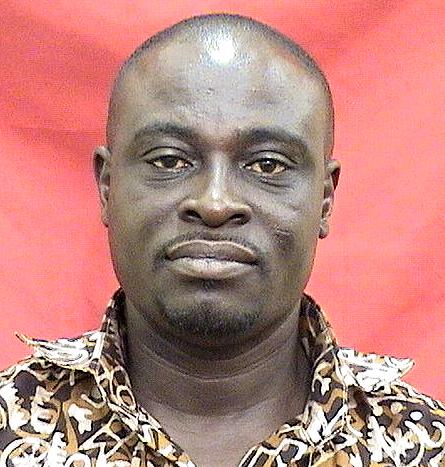
The researcher's work integrates multiple disciplines, focusing on how languages reflect and are preserved in cultural contexts. They examine traditional pottery techniques as tools for identity formation, highlighting the enduring significance of these practices. Their research also delves into the integration of African heritage into the larger tapestry of broader social identities, particularly through the reintegration of the Ghanaian diaspora at specific historical sites. Furthermore, they investigate the challenges posed by the COVID-19 pandemic, employing innovative interventions to address public health issues. This integrated approach bridges language studies with cultural history and identity formation, emphasizing the interconnectedness of these areas within a global context.

Department of Indigenous Art and Technology
The researcher investigates the interplay between technological innovation, natural processes, and human behavior in shaping urbanization and global governance systems. Their work examines how these factors influence social structures at both local and societal scales, drawing on interdisciplinary approaches that bridge technology, nature, and society.

Department of Indigenous Art and Technology
Their research spans innovative materials for everyday objects to advanced technologies aiming to address global challenges, integrating sustainability into traditional crafts and materials science using cutting-edge solutions for social issues such as pandemic response and urban design.

Department of Indigenous Art and Technology
The researcher integrates sustainable practices across diverse fields, bridging the gap between traditional crafts like Ghanaian materials with modern technologies to enhance both environmental and social good. Focusing on innovative solutions using locally available materials for infrastructure improvements while preserving cultural heritage, the work aims to support and empower communities in developing regions through sustainable development strategies.
Department of Indigenous Art and Technology
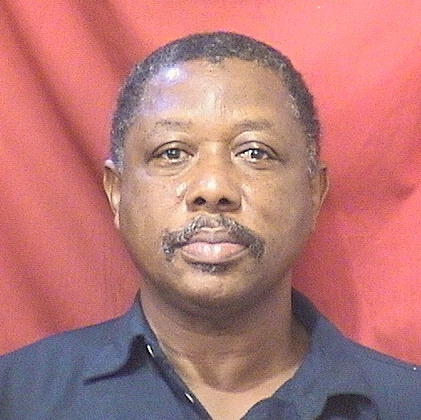
The researcher's work integrates methodologies from physics, social sciences, and environmental engineering to address sustainability challenges in manufacturing processes and urban construction. Their innovative approach combines advanced technologies like smart technology and computational design across various fields—physical sciences (materials and energy), social sciences (human behavior), and environment—and architecture—to develop sustainable solutions across different domains. By bridging these disciplines through interdisciplinary techniques, the researcher bridges gaps between physical, social, and environmental aspects of modernization, offering a holistic approach to solving global challenges like sustainability and urban development.

Department of Indigenous Art and Technology
The researcher's work focuses on several key areas: advancements in quantum computing technology and its potential societal impacts, integrated approaches to artificial intelligence and machine learning in healthcare, and the development of open-source tools for machine learning research. Their interdisciplinary approach combines insights from computer science, mathematics, and engineering to address complex problems across diverse domains.
Department of Indigenous Art and Technology
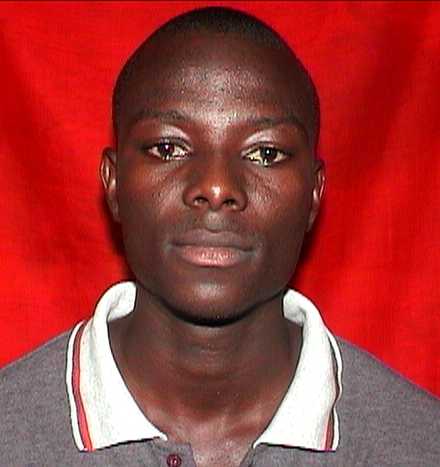
The researcher has engaged in a study that bridges traditional fashion techniques, such as ikat weaving, with cultural textiles, focusing on their historical and social significance. Their work highlights the fusion of these techniques within asante kente weaving, emphasizing how integration of cultural practices can reflect and preserve heritage values. Additionally, they have documented the socio-cultural context of specific artifacts in cultural heritage sites like Sefwi Bekwai Palace in Ghana, demonstrating a holistic approach to understanding the historical impacts on society through artifact analysis. Their research underscores the role of preservation efforts in bridging traditional practices with modern digital platforms, providing insights into how cultural heritage can be preserved and redefined for future generations.
Department of Indigenous Art and Technology
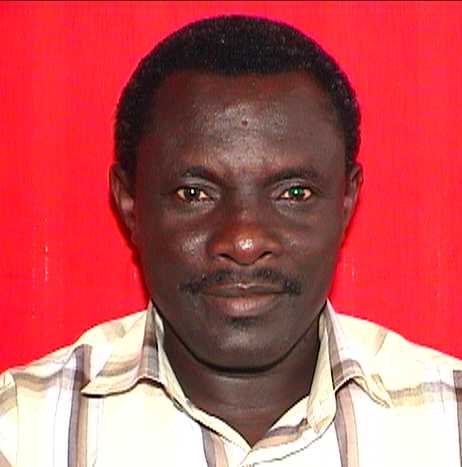
This researcher's work integrates ancient materials like amulets and tanned leathers into innovative designs across diverse fields, from archaeology to fashion and industry. Their focus on manufacturing processes and cultural heritage highlights a synthesis of historical insights with modern techniques.
Department of Indigenous Art and Technology
The researcher has focused on developing sustainable practices across multiple domains such as manufacturing, education, and business, employing cutting-edge technologies like RFID tags and BIM systems to enhance efficiency and innovation in these sectors.